Attracting and retaining top talent hinges significantly on a well-structured and effectively managed employee benefits package. This isn’t just about offering perks; it’s about strategically designing a program that aligns with your company’s budget, resonates with employee needs, and ensures legal compliance. Understanding the nuances of benefits administration, from cost control to effective communication, is crucial for creating a positive and productive work environment.
This guide delves into four key considerations: understanding your benefits package, budgeting and cost management, employee communication and engagement, and ensuring legal compliance. We’ll explore practical strategies for optimizing your benefits program, from negotiating with providers to leveraging technology to enhance employee experience. By the end, you’ll have a clearer roadmap for creating a benefits strategy that strengthens your company and empowers your workforce.
Understanding Employee Benefits Packages
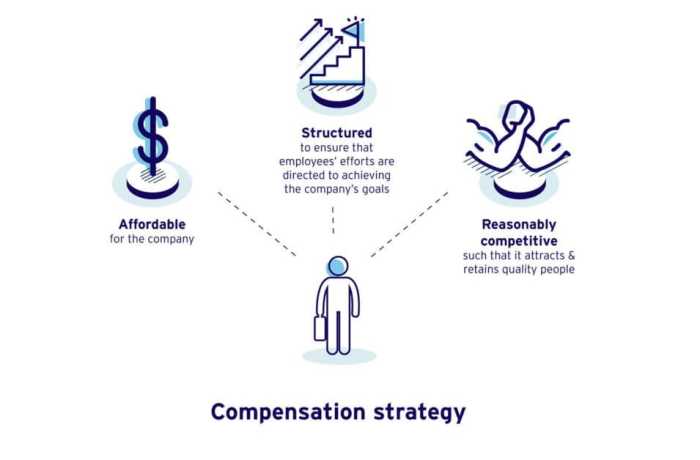
Offering a comprehensive and competitive employee benefits package is crucial for attracting and retaining top talent in today’s competitive job market. A well-structured benefits program not only improves employee morale and productivity but also contributes to a positive company culture and reduces employee turnover. Understanding the various components of a benefits package and the legal requirements surrounding them is essential for employers.
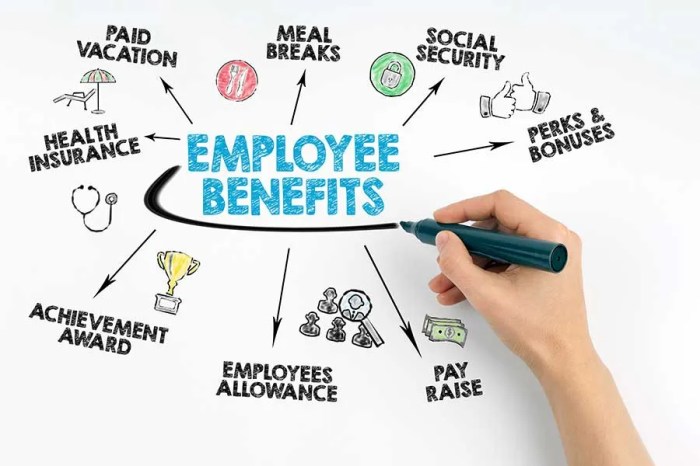
Employee benefits encompass a wide range of offerings designed to enhance employees’ well-being and financial security beyond their base salary. These benefits can significantly impact employee satisfaction and loyalty.
Types of Employee Benefits
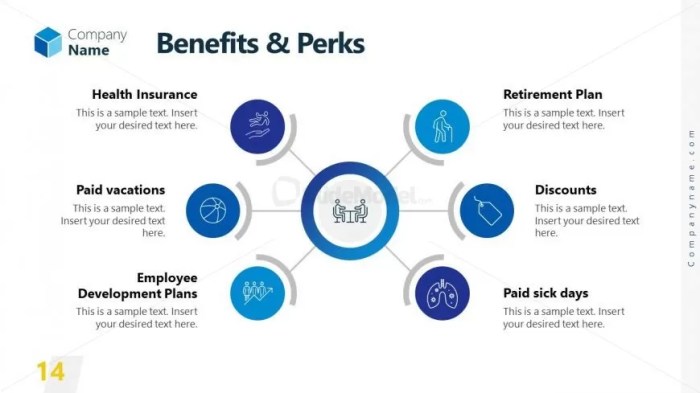
Commonly offered employee benefits fall into several categories. Health benefits are typically the most significant, including medical, dental, and vision insurance. Paid time off (PTO) encompasses vacation, sick leave, and holidays. Retirement plans, such as 401(k)s or pensions, help employees save for their future. Other benefits might include life insurance, disability insurance, employee assistance programs (EAPs), tuition reimbursement, and flexible spending accounts (FSAs). Some companies also offer perks such as on-site childcare, gym memberships, or employee discounts. The specific benefits offered vary widely depending on company size, industry, and budget.
Legal Requirements and Compliance Considerations
Employers must comply with various federal and state laws regarding employee benefits. The Affordable Care Act (ACA) mandates that employers with a certain number of employees offer affordable health insurance or face penalties. The Employee Retirement Income Security Act (ERISA) regulates employee pension and welfare benefit plans. The Family and Medical Leave Act (FMLA) requires employers to provide unpaid, job-protected leave for eligible employees for specific family and medical reasons. Compliance with these and other regulations is crucial to avoid legal issues and penalties. Staying informed about changes in employment law and seeking advice from legal professionals is essential for maintaining compliance.
Structuring Benefits Packages to Attract and Retain Talent
Designing a benefits package that appeals to your target employees requires careful consideration of their needs and preferences. Researching industry benchmarks and competitor offerings can inform your decision-making process. Offering a mix of traditional benefits and more modern, flexible options can be particularly effective. For example, offering a robust PTO policy alongside options like flexible work arrangements or remote work capabilities can significantly enhance the appeal of your employment package. Tailoring your benefits to attract and retain specific demographics, such as young professionals or experienced workers, also demonstrates attention to detail and value.
Benefits Package Comparison
The following table provides a simplified comparison of different benefit packages. Note that costs and employee value can vary significantly based on factors such as plan design, employee participation, and market conditions.
| Benefit Type | Cost (Example) | Employee Value | Eligibility |
|---|---|---|---|
| Health Insurance (Medical) | $10,000 per employee annually | Peace of mind, access to quality healthcare | Full-time employees |
| Paid Time Off (PTO) | Varies by policy | Work-life balance, reduced stress | All employees |
| 401(k) Matching | 50% of employee contributions up to 6% of salary | Retirement savings, employer contribution | Eligible employees after one year of service |
| Life Insurance | $100,000 death benefit | Financial security for dependents | Full-time employees |
Benefits Communication Plan
Effective communication is vital to ensure employees understand and utilize their benefits. A multi-faceted communication plan is essential. This could include regular email updates, employee handbooks, online portals detailing benefit information, and in-person presentations or workshops. Providing clear and concise information, using easily understandable language, and offering multiple avenues for employees to access information ensures that all employees, regardless of their background or comfort level with technology, can understand their benefits. Regularly reviewing and updating the communication plan is essential to reflect changes in benefits offerings and employee feedback.
Budgeting and Cost Management for Employee Benefits
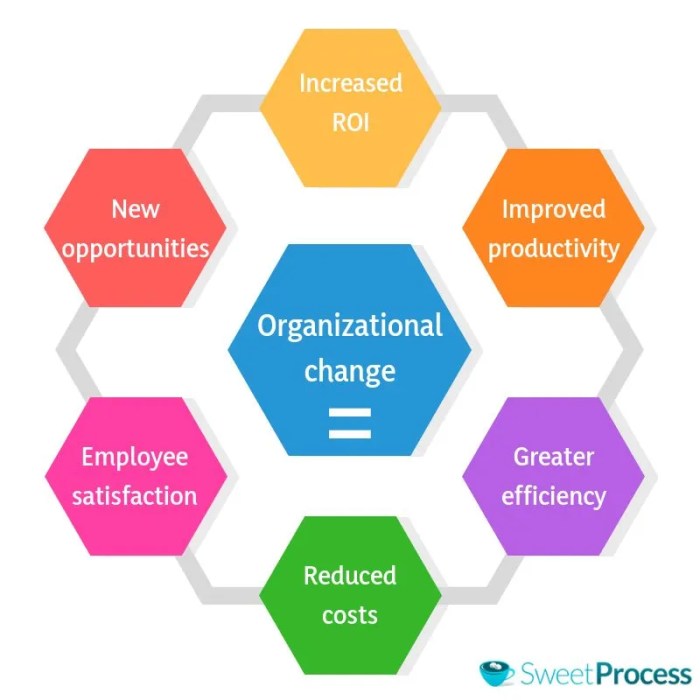
Effective budgeting and cost management are crucial for maintaining a competitive and attractive employee benefits package without straining your company’s finances. A well-planned benefits strategy balances employee needs with fiscal responsibility, ensuring both employee satisfaction and long-term business sustainability. This involves proactive planning, strategic negotiation, and consistent monitoring of expenses.
Strategies for Effective Budgeting of Employee Benefits Programs
Developing a robust budget requires a comprehensive understanding of current expenses and projected future costs. This involves analyzing historical data, considering employee demographics and anticipated changes (such as employee growth or shifts in healthcare costs), and factoring in potential increases in benefit premiums. Consider using a combination of top-down and bottom-up budgeting approaches. The top-down approach sets a total benefits budget based on a percentage of payroll or revenue, while the bottom-up approach involves estimating the cost of each individual benefit program. A balanced approach combines the strengths of both. For example, a company might set a total benefits budget at 15% of payroll (top-down), then allocate funds to specific programs based on employee utilization and market rates (bottom-up).
Methods for Negotiating Lower Costs with Benefit Providers
Negotiating lower costs with benefit providers often involves leveraging your company’s size and the number of employees enrolled in the program. Presenting data on your company’s employee demographics and claims history can strengthen your negotiating position. Explore options such as bundling multiple benefits with a single provider to achieve economies of scale. Consider alternative benefit structures, such as tiered plans offering different levels of coverage and cost-sharing. For instance, negotiating a bulk discount for health insurance by enrolling a large percentage of your employees with the same provider can significantly reduce premiums. Similarly, exploring different plan designs (e.g., high-deductible health plans with health savings accounts) can often lead to lower premiums.
Cost-Effectiveness of Different Benefit Options
Comparing the cost-effectiveness of different benefit options requires a comprehensive analysis of both the cost of the benefit and its value to employees. Consider factors such as employee participation rates, the impact on employee retention and productivity, and the overall cost per employee. For example, a seemingly expensive on-site childcare program might prove cost-effective by reducing employee absenteeism and turnover. Similarly, a robust wellness program could lower healthcare costs in the long run by promoting healthier lifestyles. Analyzing the return on investment (ROI) for each benefit can guide decision-making. A detailed cost-benefit analysis, considering both direct (e.g., premiums) and indirect costs (e.g., lost productivity), provides a clear picture of the true cost and value of each benefit option.
Step-by-Step Guide for Tracking and Managing Employee Benefit Expenses
Tracking and managing employee benefit expenses requires a systematic approach. This involves categorizing expenses, regularly monitoring spending against the budget, and making adjustments as needed.
- Step 1: Categorize Expenses: Establish clear categories for tracking expenses, such as health insurance premiums, retirement plan contributions, paid time off, life insurance, disability insurance, and wellness programs. This detailed breakdown allows for a precise understanding of where your budget is being allocated.
- Step 2: Implement a Tracking System: Utilize spreadsheets, dedicated benefit management software, or accounting software to track expenses. Regularly update the system with actual costs, ensuring data accuracy.
- Step 3: Monitor Spending: Regularly compare actual expenses against the budgeted amounts. This allows for timely identification of overspending or under-utilization of funds.
- Step 4: Conduct Regular Reviews: Conduct periodic reviews of the benefit program, analyzing employee satisfaction, participation rates, and cost trends. This information informs adjustments to the budget and benefit offerings.
- Step 5: Adjust as Needed: Based on the review, make necessary adjustments to the budget and benefit offerings to ensure alignment with company goals and employee needs.
Key expense categories to track include:
- Health insurance premiums
- Retirement plan contributions (e.g., 401k matching)
- Paid time off (PTO) costs
- Life insurance premiums
- Disability insurance premiums
- Wellness program expenses
- Administrative costs (e.g., payroll processing fees related to benefits)
Employee Communication and Engagement with Benefits
Effective communication is crucial for a successful employee benefits program. Employees need to understand what benefits are available, how to access them, and how to maximize their value. A well-structured communication strategy, combined with a user-friendly enrollment process, fosters employee engagement and satisfaction, ultimately leading to a more productive and loyal workforce.
Employee communication regarding benefits should be proactive, multi-channel, and tailored to different employee needs and preferences. This ensures that information reaches everyone effectively, regardless of their communication style or technological proficiency. A successful strategy considers various factors such as employee demographics, literacy levels, and language preferences.
Strategies for Communicating Benefits Information
Clear and concise communication is key. Information should be easily accessible and understandable, avoiding jargon and technical terms. Multiple channels should be used, such as email, intranet, printed materials, and in-person presentations. Regular updates on benefit changes and additions should be communicated promptly and effectively. Consider using infographics, short videos, and FAQs to make information more engaging and easily digestible. For instance, a short animated video explaining the process of submitting a claim for reimbursement could significantly improve employee understanding and reduce confusion.
Benefits Enrollment Process
The enrollment process should be streamlined and intuitive. Online enrollment systems are increasingly popular due to their convenience and efficiency. These systems should be user-friendly, with clear instructions and helpful support features. A well-designed system allows employees to easily review their options, make selections, and confirm their choices. Regular testing and updates are crucial to ensure the system remains functional and accessible to all employees. Consider offering multiple enrollment periods or allowing for changes during open enrollment to accommodate various employee needs and life events. Providing a dedicated support team to answer questions and resolve issues during the enrollment process can also significantly improve the employee experience.
Measuring Employee Satisfaction
Regularly assessing employee satisfaction with the benefits program is essential for continuous improvement. Methods for measuring satisfaction include employee surveys, focus groups, and analysis of benefit utilization data. Surveys can gather quantitative and qualitative data on employee perceptions of the program’s value, accessibility, and overall satisfaction. Focus groups provide opportunities for in-depth discussions and feedback. Analyzing benefit utilization data can reveal trends and patterns in benefit usage, which can inform program adjustments. For example, low utilization of a particular benefit might suggest a need for improved communication or a re-evaluation of the benefit’s design.
Utilizing Technology to Enhance Benefits Access
Technology plays a significant role in improving employee access to and understanding of benefits information. Employee self-service portals offer convenient access to information, allowing employees to view their benefits summaries, update personal information, and submit claims online. Mobile apps can provide on-the-go access to benefits information and resources. Interactive tools, such as benefit calculators and decision-support tools, can help employees make informed decisions about their benefits selections. For instance, a mobile app could allow employees to quickly access their health insurance card, find nearby doctors, and submit claims with photos of receipts.
Sample Email Announcing a New Benefit
Subject: Exciting News! New Employee Assistance Program (EAP) Available
Dear Employees,
We’re thrilled to announce a new benefit designed to support your well-being: the Employee Assistance Program (EAP). The EAP provides confidential counseling, resources, and support for a wide range of personal and work-related challenges. This includes stress management, financial counseling, and legal advice.
To access the EAP, simply visit [website address] or call [phone number]. More information, including FAQs and program details, can be found on the company intranet at [intranet link].
We encourage you to take advantage of this valuable resource. Your well-being is important to us.
Sincerely,
[Your Name/HR Department]
Final Review
Effective employee benefits management is a continuous process, requiring consistent evaluation and adaptation. By understanding the legal landscape, proactively managing costs, and prioritizing clear, engaging communication, organizations can create a benefits program that fosters employee loyalty, improves productivity, and contributes to a thriving workplace culture. Remember, a well-designed benefits program isn’t just a cost; it’s a strategic investment in your most valuable asset – your employees.