Navigating the complexities of career progression can feel overwhelming. However, a proactive and strategic approach can significantly enhance your professional journey. This guide Artikels five key steps—from self-assessment and goal setting to skill development and performance management—providing a roadmap to effective career management and long-term success.
By understanding your strengths and weaknesses, actively developing your skills, and strategically networking, you can unlock opportunities for advancement and build a fulfilling career. This framework encourages self-reflection, continuous learning, and proactive engagement with your professional environment, empowering you to take control of your future.
Self-Assessment and Goal Setting

Effective career management begins with a thorough understanding of your skills, aspirations, and the landscape you operate within. This involves a proactive approach to self-assessment and the development of a well-defined career plan. By combining introspection with strategic planning, you can significantly increase your chances of achieving your professional goals.
Self-assessment and goal setting are intertwined processes. Understanding your strengths and weaknesses informs the goals you set, while the goals you set provide direction for your self-improvement efforts. This iterative process allows for continuous growth and adaptation throughout your career journey.
Five-Year Career Plan with SMART Goals
A five-year career plan provides a roadmap for your professional development. Each goal within this plan should adhere to the SMART criteria: Specific, Measurable, Achievable, Relevant, and Time-bound.
Example:
- Specific: Obtain a Project Management Professional (PMP) certification.
- Measurable: Achieve a score of at least 80% on the PMP certification exam.
- Achievable: Dedicate 10 hours per week to studying for the exam over a six-month period.
- Relevant: This certification aligns with my career goals of leading larger projects and advancing to a senior management role.
- Time-bound: Obtain the certification by December 31, 2024.
This example demonstrates how to break down a large goal into smaller, manageable steps. Remember to tailor your SMART goals to your individual career aspirations and current circumstances.
SWOT Analysis
A SWOT analysis is a valuable tool for identifying your personal and professional strengths, weaknesses, opportunities, and threats. This analysis helps you to leverage your strengths, mitigate your weaknesses, capitalize on opportunities, and prepare for potential threats.
Example:
| Strengths | Weaknesses |
|---|---|
| Strong communication skills | Lack of experience in a specific software |
| Proven project management abilities | Procrastination tendencies |
| Opportunities | Threats |
| Emerging technologies in my field | Increased competition in the job market |
| Potential for advancement within my company | Economic downturn affecting my industry |
Personal Brand Statement
A personal brand statement succinctly communicates your unique value proposition to potential employers and collaborators. It highlights your key skills, experience, and career aspirations.
Example:
A highly motivated and results-oriented project manager with 7+ years of experience in leading cross-functional teams to deliver successful projects on time and within budget. Seeking a challenging leadership role in a dynamic organization where I can leverage my expertise in agile methodologies and strategic planning to contribute to significant organizational growth.
Skills and Experience Table
Organizing your skills and experiences into a visually appealing table allows for a clear and concise presentation of your qualifications.
| Skill | Experience Level | Example |
|---|---|---|
| Project Management | Expert | Successfully managed 15+ projects, consistently delivering on time and within budget. |
| Communication | Proficient | Presented project updates to executive leadership and stakeholders, effectively communicating complex information. |
| Team Leadership | Advanced | Mentored junior team members and fostered a collaborative and productive team environment. |
| Software Proficiency (e.g., MS Project) | Intermediate | Utilize MS Project for project planning, scheduling, and resource allocation. |
Skill Development and Networking
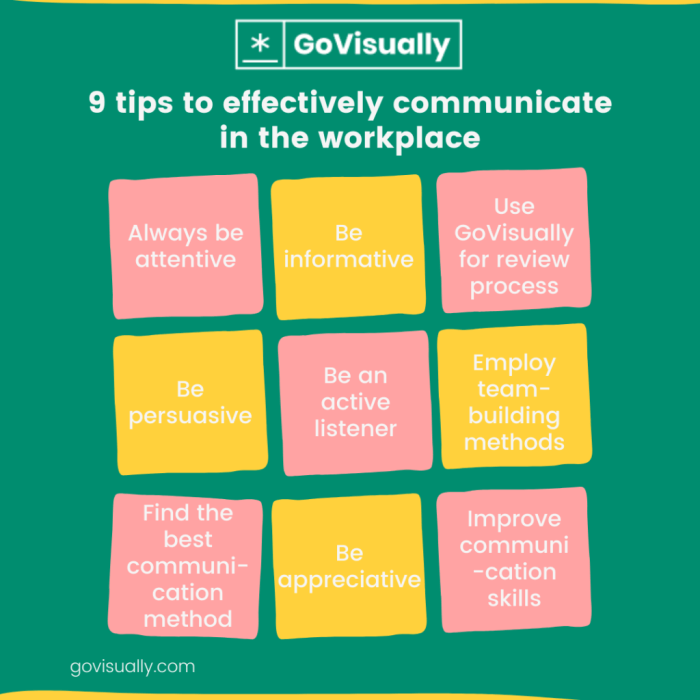
Strategic skill development and consistent networking are vital for career advancement. Building a strong professional network and continuously upgrading your skillset are interconnected processes, each reinforcing the other to propel your career forward. This section Artikels a structured approach to both.
Crucial Skills and Acquisition Plan
Identifying and acquiring in-demand skills is a proactive step towards career progression. This involves a self-assessment of your current capabilities and a targeted plan to develop areas needing improvement. For example, in the field of data science, three crucial skills are Python programming, data visualization, and machine learning. To acquire these: Python programming proficiency can be achieved through online courses like those offered by Codecademy or Coursera, coupled with hands-on projects on platforms like GitHub. Data visualization skills can be honed through workshops focusing on tools such as Tableau or Power BI, supplemented by creating visualizations for personal projects. Finally, a deeper understanding of machine learning algorithms can be obtained via specialized online courses on platforms like edX or Udacity, complemented by working on relevant case studies and participating in Kaggle competitions. This multi-faceted approach ensures practical application alongside theoretical knowledge.
Networking Strategies
Effective networking expands your professional horizons and opens doors to new opportunities. Three valuable networking strategies include attending industry conferences, actively participating in online professional communities, and leveraging informational interviews. Attending industry conferences provides opportunities to meet professionals, learn about new trends, and build relationships. Active participation in online communities, such as LinkedIn groups or specialized forums, allows for engagement with professionals in your field, sharing knowledge, and building connections. Informational interviews, where you reach out to professionals for brief conversations to learn about their career paths and gain insights, are invaluable for gaining mentorship and exploring potential opportunities.
Benefits of Professional Organizations and Industry Events
Joining professional organizations and attending industry events offers significant advantages for career growth. Professional organizations provide access to resources, networking opportunities, and continuing education, keeping you abreast of the latest industry trends and best practices. Industry events, such as conferences and workshops, offer similar benefits, creating an environment for professional interaction and knowledge exchange. Membership in organizations often includes access to exclusive job boards, mentoring programs, and publications, enhancing career prospects. Furthermore, attending industry events provides opportunities to learn from experts, build your professional network, and demonstrate your commitment to the field.
Potential Mentors
Identifying potential mentors is crucial for guidance and support in your career journey. Five potential mentors, and the reasons for selecting them, are Artikeld below:
- Dr. Anya Sharma: A renowned expert in AI, her experience in leading research teams and building successful products aligns with my career aspirations.
- Mr. David Lee: A senior data scientist at a leading tech company, his practical experience and mentorship would provide valuable insights into the industry.
- Ms. Sarah Chen: A successful entrepreneur in the data analytics field, her entrepreneurial journey and experience building a company from the ground up are inspiring.
- Professor Robert Brown: A respected professor with extensive experience in data mining, his academic expertise and guidance would be invaluable in my academic pursuits.
- Ms. Emily Rodriguez: A seasoned project manager with a proven track record in delivering complex projects, her expertise in project management would complement my technical skills.
Performance Management and Career Advancement

Effective performance management is crucial for career progression. It involves setting clear goals, tracking progress, seeking feedback, and utilizing constructive criticism to enhance skills and ultimately, advance your career. This section will explore strategies to achieve these objectives.
Setting Performance Goals and Tracking Progress
Setting SMART goals (Specific, Measurable, Achievable, Relevant, and Time-bound) is essential for effective performance management. For example, instead of setting a vague goal like “improve sales,” a SMART goal would be “increase sales by 15% in the next quarter by implementing a new client outreach strategy.” Progress should be tracked regularly, perhaps weekly or monthly, using tools like spreadsheets, project management software, or even a simple journal. Regular monitoring allows for timely adjustments to strategies if needed, ensuring you stay on track to meet your objectives. This proactive approach ensures you remain focused and motivated throughout the process.
Methods for Seeking Feedback
Several methods exist for obtaining valuable feedback. Formal performance reviews with supervisors provide a structured opportunity for comprehensive assessment. Informal check-ins, where you proactively seek feedback on specific projects or tasks, offer more immediate insights. 360-degree feedback, involving input from supervisors, peers, and subordinates, provides a holistic perspective on your performance. Peer feedback, obtained through collaborative projects or informal discussions, can offer valuable insights into your strengths and weaknesses from a different perspective. The best approach often involves a combination of these methods, tailored to your specific context and needs.
Handling Constructive Criticism
Constructive criticism, while sometimes uncomfortable, is invaluable for growth. It’s crucial to approach it with an open mind, actively listening and seeking clarification if needed. Instead of becoming defensive, focus on understanding the feedback’s intent and identifying areas for improvement. Documenting the feedback and creating a plan for addressing the identified weaknesses can help turn criticism into a positive catalyst for development. For instance, if feedback points to poor time management, one might implement a new scheduling system or seek time management training.
Planning for Promotion or a New Role
A strategic approach is essential when seeking advancement. This involves identifying target roles, understanding the required skills and experience, and developing a plan to acquire them. Networking within the organization to build relationships with key decision-makers is also critical.
| Step | Action | Timeline | Resources |
|---|---|---|---|
| 1. Self-Assessment | Identify skills, strengths, and areas for improvement; research desired roles. | 1-2 weeks | Resume, LinkedIn profile, job descriptions |
| 2. Skill Development | Acquire necessary skills through training, courses, or on-the-job experience. | Ongoing | Online courses, workshops, mentors |
| 3. Networking | Build relationships with key individuals within the organization. | Ongoing | Internal networking events, informational interviews |
| 4. Application | Prepare a strong application, including resume, cover letter, and portfolio (if applicable). | 2-4 weeks | Career services, mentors, online resources |
| 5. Interview Preparation | Practice answering common interview questions and prepare questions to ask the interviewer. | 1-2 weeks | Mock interviews, online resources |
| 6. Follow-up | Send thank-you notes and follow up on the status of your application. | 1 week | Email, phone call |
Closing Notes
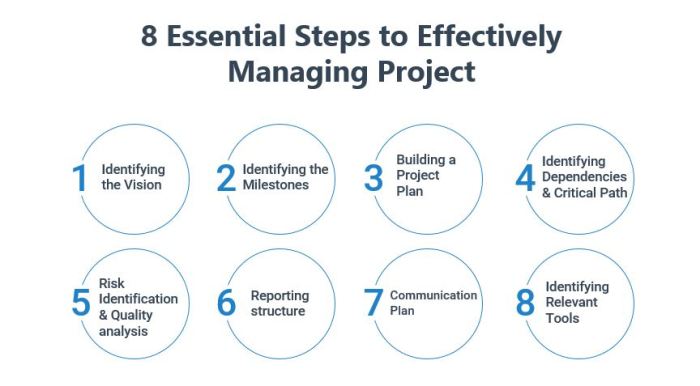
Mastering your career trajectory requires dedication and a well-defined plan. By implementing these five steps—self-assessment, skill development, performance management, strategic networking, and continuous learning—you’ll equip yourself with the tools to navigate your professional landscape effectively. Remember, consistent effort and a proactive approach are crucial to achieving your career aspirations and building a rewarding and successful professional life.