Navigating the professional landscape often requires more than just excelling at your job; it demands understanding and effectively interacting with your manager. This guide provides seven actionable strategies to enhance your professional relationships and achieve greater success. Mastering the art of “managing up” isn’t about manipulation, but about fostering clear communication, setting realistic expectations, and building a collaborative partnership that benefits both you and your team.
We’ll explore how to adapt your communication style to your manager’s preferences, proactively share updates and seek feedback, and establish healthy boundaries to maintain a productive and positive working relationship. This approach will not only improve your immediate work experience but also contribute to your long-term career growth and overall job satisfaction.
Understanding Your Manager’s Style
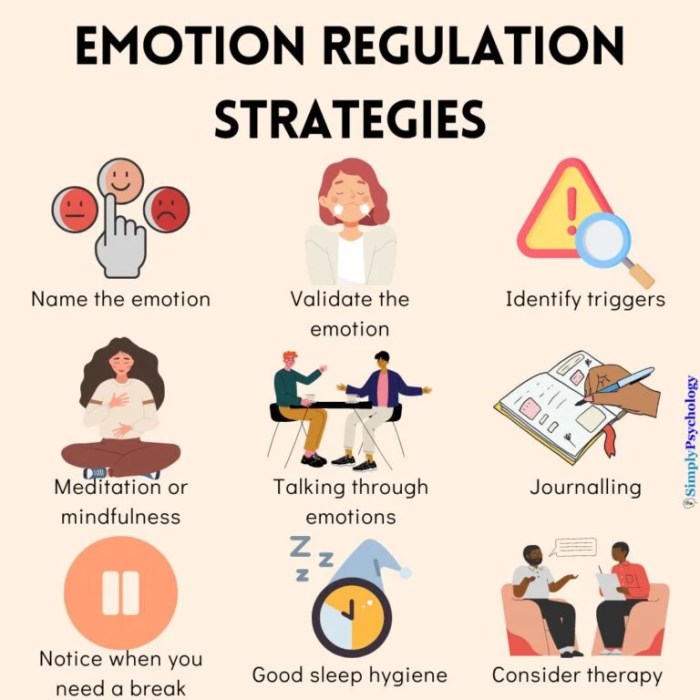
Effective management-up requires understanding your manager’s communication preferences and working style. Adapting your approach to align with their style fosters stronger working relationships, improves communication efficiency, and ultimately leads to better outcomes for both you and your team. Recognizing and responding to your manager’s individual needs is crucial for successful professional navigation.
Identifying Management Styles and Adapting Communication
Managers exhibit diverse leadership styles. Three common styles are the Directive, the Collaborative, and the Laissez-faire. Understanding these differences allows for tailored communication to maximize effectiveness.
Directive Managers: These managers prioritize clear instructions, direct communication, and efficient task completion. They often prefer concise updates and immediate responses. To adapt, provide clear, concise reports focusing on results and timelines. Avoid lengthy explanations or unnecessary details. For example, instead of a lengthy email detailing the challenges faced in a project, a brief summary highlighting the problem, proposed solution, and requested resources would be more effective.
Collaborative Managers: These managers value teamwork, open communication, and shared decision-making. They encourage input and feedback. To adapt, proactively share ideas, participate in brainstorming sessions, and seek input before making decisions. For instance, before implementing a new process, present a detailed proposal, solicit feedback, and incorporate suggestions before finalizing the plan.
Laissez-faire Managers: These managers provide minimal guidance and allow team members significant autonomy. They trust their team to manage their own work. To adapt, be proactive, set clear goals for yourself, and regularly provide updates on progress. For example, instead of waiting for instructions, proactively schedule regular check-ins to provide updates on your progress and address any potential roadblocks.
Strategies for Identifying Your Manager’s Priorities and Working Style
Observing your manager’s actions and employing indirect questioning are key to understanding their priorities and preferred working style. Careful observation reveals patterns in their communication, decision-making, and responses to challenges. Indirect questioning allows you to gather information without appearing intrusive.
Observation: Pay attention to how your manager prioritizes tasks, delegates responsibilities, and handles deadlines. Note their communication style – do they prefer email, instant messaging, or in-person meetings? Do they respond quickly to messages, or do they prefer to take their time? Analyzing their actions provides valuable insights into their preferences and expectations.
Indirect Questioning: Instead of directly asking about their management style, ask questions that indirectly reveal their preferences. For example, “What are your priorities for the next quarter?” or “What’s the most effective way to keep you updated on my progress?” These questions provide context without putting your manager on the spot.
Effective Communication Methods for Different Management Styles
The table below summarizes effective communication methods for each management style:
| Management Style | Communication Frequency | Preferred Medium | Content Focus |
|---|---|---|---|
| Directive | Regular, concise updates | Email, brief in-person meetings | Results, timelines, key achievements |
| Collaborative | Frequent, open dialogue | Meetings, collaborative platforms, instant messaging | Ideas, feedback, brainstorming, shared decision-making |
| Laissez-faire | Regular self-initiated updates | Email, project management tools | Progress reports, problem-solving, proactive solutions |
| Universal Best Practice | Proactive, clear, and respectful | Chosen based on manager preference and urgency | Actionable information and clear next steps |
Proactive Communication and Feedback

Proactive communication is key to a successful working relationship with your manager. It demonstrates initiative, keeps your manager informed, and allows for early problem-solving, preventing misunderstandings and potential crises. Regular feedback, both given and received, fosters a culture of continuous improvement and strengthens the manager-employee dynamic.
Effective proactive communication involves more than simply reporting completed tasks. It’s about anticipating needs, sharing potential roadblocks, and engaging in open dialogue to ensure alignment on goals and expectations. Similarly, actively seeking feedback isn’t just about asking for a performance review; it’s about a continuous process of seeking guidance and improvement throughout your projects.
Techniques for Proactive Communication
Proactively communicating your progress and challenges involves several key techniques. Consistent and clear communication builds trust and prevents surprises.
- Regular Project Updates: Schedule brief, regular check-ins (e.g., weekly emails or short meetings) to update your manager on your progress. Focus on key milestones, achievements, and any emerging issues.
- Preemptive Problem Solving: When encountering challenges, don’t wait until they become major obstacles. Identify potential roadblocks early and present your manager with possible solutions, demonstrating your problem-solving skills.
- Strategic Use of Email: Email is a powerful tool for proactive communication. Use it to share updates, highlight successes, and flag potential issues concisely and professionally. Ensure the subject line clearly communicates the email’s purpose.
- Leverage Project Management Tools: Utilize project management software (e.g., Asana, Trello, Monday.com) to provide your manager with real-time visibility into your progress, task completion, and any roadblocks encountered. This allows for transparency and collaboration.
- In-Person Check-ins: While email is efficient, in-person check-ins offer opportunities for more nuanced conversations and relationship building. These meetings allow for a more personal exchange of information and allow you to gauge your manager’s reaction in real-time.
Sample Proactive Communication Email
Subject: Project Alpha – Milestone 1 Complete – Minor Delay in Milestone 2
Dear [Manager’s Name],
This email provides an update on Project Alpha. Milestone 1 (Data Collection) is now complete and the deliverables have been submitted as scheduled.
We encountered a minor unforeseen delay with Milestone 2 (Data Analysis) due to [brief explanation of delay, e.g., unexpected data inconsistencies]. We’re currently implementing [solution, e.g., a revised data cleaning process] to address this, and anticipate a one-day delay in the original deadline. The revised deadline is now [new deadline].
I’ll keep you updated on our progress. Please let me know if you have any questions.
Sincerely,
[Your Name]
Seeking Regular Feedback
Actively seeking feedback is crucial for professional growth and improved performance. Regular feedback allows you to identify areas for improvement and ensures you are aligned with your manager’s expectations.
- Schedule Formal Feedback Sessions: Request regular one-on-one meetings with your manager specifically to discuss your performance and receive feedback. These meetings should be scheduled proactively, not just when a performance review is due.
- Informal Check-ins: Use informal opportunities (e.g., brief conversations after meetings or during hallway encounters) to ask for quick feedback on specific tasks or approaches. This shows initiative and demonstrates your commitment to improvement.
- 360-Degree Feedback: If your company offers 360-degree feedback programs, participate actively. This provides valuable insights from multiple perspectives and allows for a holistic view of your performance.
- Self-Reflection and Goal Setting: Before seeking feedback, reflect on your own performance. Identify areas where you excel and areas where you could improve. This focused self-assessment allows for more productive feedback sessions.
- Specific Questions: Instead of asking general questions like “How am I doing?”, ask specific questions about your performance on particular projects or tasks. For example: “What could I have done differently to improve the efficiency of the recent marketing campaign?” or “Are there any aspects of my communication style I should adjust?”
Setting Clear Expectations and Boundaries
Establishing clear expectations and boundaries is crucial for a productive and healthy working relationship with your manager. This involves understanding your roles, negotiating workloads, and setting professional limits to prevent misunderstandings and burnout. Open communication and proactive problem-solving are key to achieving this balance.
Clearly defining your roles and responsibilities prevents confusion and ensures everyone is working towards the same goals. Ambiguity can lead to duplicated efforts, missed deadlines, and ultimately, frustration for both you and your manager. Effective strategies for achieving clarity include:
Strategies for Defining Roles and Responsibilities
Three effective strategies for clearly defining your roles and responsibilities are crucial for avoiding misunderstandings and ensuring a smooth workflow. These strategies promote collaboration and mutual understanding between you and your manager, leading to increased efficiency and productivity.
- Regularly review your job description: Use your official job description as a baseline, but don’t hesitate to discuss any ambiguities or evolving responsibilities with your manager. This ensures you’re both on the same page regarding your primary tasks and accountabilities.
- Document your agreements: After discussing your responsibilities with your manager, summarize the key points in an email. This creates a written record of your agreed-upon tasks and expectations, minimizing the risk of future disagreements.
- Schedule regular check-ins: Regular meetings, even brief ones, allow you to discuss progress, address any emerging issues, and confirm that your understanding of responsibilities aligns with your manager’s expectations. This proactive approach prevents misunderstandings from escalating.
Negotiating Deadlines and Workload Expectations
Negotiating deadlines and workload expectations requires a proactive and collaborative approach. It’s not about demanding less work, but about ensuring the workload is manageable and achievable within the given timeframe. This benefits both you and your manager by preventing burnout and ensuring project success.
Effective negotiation involves presenting a realistic assessment of your capacity, offering solutions, and actively participating in finding a mutually agreeable plan. It’s a conversation, not a confrontation.
For example, if a deadline seems unrealistic, you could suggest breaking down the project into smaller, more manageable phases, or re-prioritizing tasks to focus on the most critical aspects first. Always offer solutions, not just problems.
Addressing Common Boundary Issues
Establishing and maintaining professional boundaries is essential for preventing stress and ensuring a healthy work-life balance. Ignoring boundary issues can lead to burnout, decreased productivity, and resentment. Addressing these issues proactively helps create a more positive and sustainable work environment.
- Unreasonable requests outside of work hours: Politely but firmly communicate your availability and set clear boundaries regarding after-hours communication. Explain that while you’re dedicated to your work, you need time for personal commitments.
- Excessive workload: If your workload is consistently overwhelming, discuss this with your manager. Provide data to support your claim and collaboratively explore solutions, such as re-prioritizing tasks, delegating responsibilities, or adjusting deadlines.
- Lack of recognition or appreciation: Regularly highlight your accomplishments and contributions. If you feel underappreciated, discuss this with your manager, focusing on the impact of your work and seeking constructive feedback.
- Disrespectful or unprofessional behavior: Document any instances of disrespectful behavior and address them with your manager or HR department. Clear and professional communication is crucial in these situations.
- Blurred lines between personal and professional life: Set clear boundaries between your personal and professional life, such as not discussing personal issues extensively at work or sharing overly personal information with colleagues. Maintain professionalism in all communications.
Last Recap
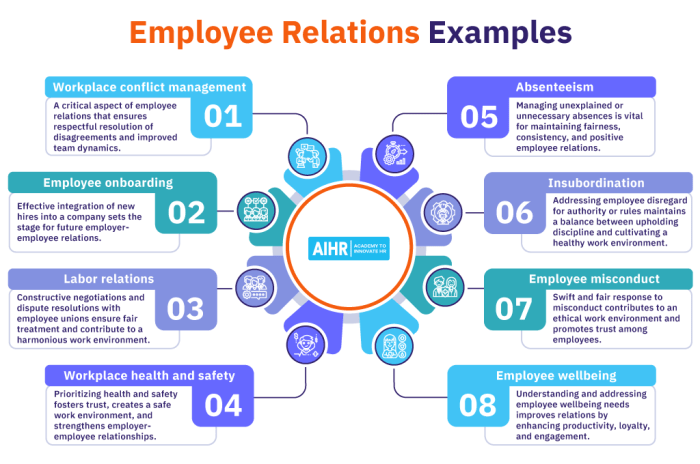
Successfully managing up is a continuous process of learning and adaptation. By consistently applying these seven tips—understanding your manager’s style, communicating proactively, setting clear expectations, and fostering a collaborative environment—you’ll build stronger working relationships, increase your effectiveness, and pave the way for greater career success. Remember that open communication, mutual respect, and a proactive approach are key ingredients to a thriving professional partnership.