Juggling work and personal life can feel like a constant tightrope walk. Finding equilibrium between professional demands and personal well-being is crucial for both productivity and overall happiness. This guide offers eight practical strategies to help you achieve a healthier work-life balance, fostering a more fulfilling and less stressful existence. We’ll explore techniques ranging from effective task prioritization to the importance of self-care and setting clear boundaries.
From mastering time management tools like the Pomodoro Technique and Eisenhower Matrix to understanding the impact of technology and cultivating mindful practices, this comprehensive guide provides actionable steps to reclaim control of your time and energy. By implementing these strategies, you can create a more harmonious integration of your professional and personal lives, leading to increased satisfaction and reduced burnout.
Prioritize Tasks Effectively
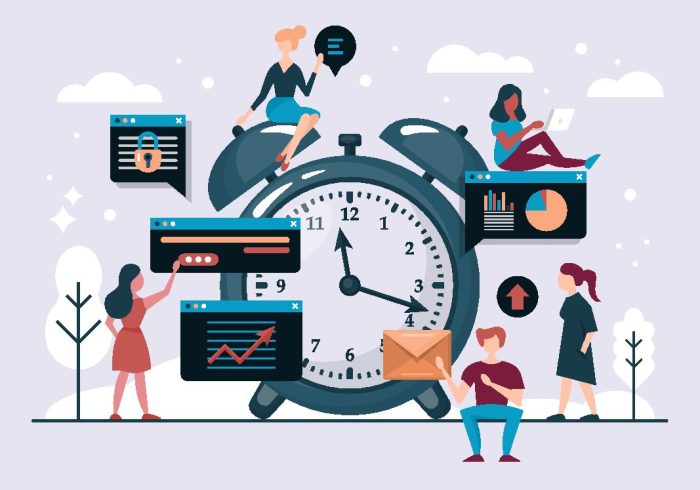
Effective task prioritization is crucial for achieving work-life balance. By strategically allocating your time and energy to the most important activities, you can minimize stress and maximize productivity, leaving room for personal pursuits. This involves understanding your tasks’ urgency and importance, and employing techniques to manage your time effectively.
Eisenhower Matrix for Task Prioritization
The Eisenhower Matrix, also known as the Urgent-Important Matrix, is a simple yet powerful tool for prioritizing tasks. It categorizes tasks based on their urgency and importance, helping you focus on what truly matters. This framework helps avoid being overwhelmed by less important, yet urgent tasks, allowing for better time management and reduced stress.
| Task Category | Description | Example | Action |
|---|---|---|---|
| Urgent and Important (Do First) | Tasks requiring immediate attention and have significant consequences. | Meeting a critical deadline for a major project. | Complete immediately. |
| Important but Not Urgent (Schedule) | Tasks that are crucial for long-term goals but don’t have immediate deadlines. | Planning a long-term marketing strategy. | Schedule a specific time to work on it. |
| Urgent but Not Important (Delegate) | Tasks that demand immediate attention but have minimal impact on long-term goals. | Responding to non-critical emails. | Delegate to someone else or automate if possible. |
| Neither Urgent nor Important (Eliminate) | Tasks that are neither crucial nor time-sensitive. | Checking social media frequently. | Eliminate or postpone these tasks. |
The Pomodoro Technique for Time Management
The Pomodoro Technique is a time management method that breaks work into intervals, typically 25 minutes long, separated by short breaks. This structured approach enhances focus and prevents burnout. By segmenting work into manageable chunks, it allows for better concentration and more effective use of time, promoting a better balance between work and personal life.
- Choose a task to work on.
- Set a timer for 25 minutes.
- Work on the task without interruption until the timer rings.
- Take a 5-minute break.
- After four Pomodoros, take a longer break of 15-20 minutes.
- Repeat the cycle.
Time-Blocking versus the Pareto Principle
Time-blocking involves scheduling specific blocks of time for particular tasks or activities. The Pareto Principle, also known as the 80/20 rule, suggests that 80% of your results come from 20% of your efforts. Both are valuable task management approaches, but they differ in their focus and application.
Time-blocking offers a structured approach to managing time, ensuring dedicated time slots for specific tasks. However, it can be inflexible if unexpected events arise. The Pareto Principle, on the other hand, focuses on identifying the most impactful tasks, allowing for efficient allocation of effort. However, it requires careful analysis to determine the vital 20% of tasks. The optimal approach often involves a combination of both techniques, using the Pareto Principle to identify key tasks and time-blocking to schedule their completion.
Set Boundaries and Manage Time
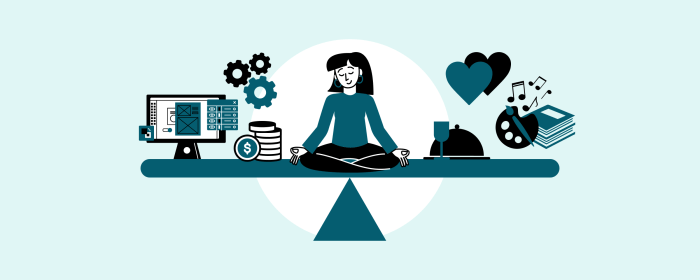
Establishing clear boundaries between work and personal life is crucial for maintaining a healthy work-life balance. This involves consciously separating your professional and personal responsibilities, creating dedicated time for each, and sticking to those designated periods. Effective time management strategies are equally important, ensuring you allocate sufficient time to all aspects of your life without feeling overwhelmed or burnt out.
Setting boundaries and managing time effectively requires a proactive and consistent approach. It’s about consciously deciding what you’ll dedicate your time to and then adhering to that plan as much as possible. This isn’t about rigid adherence to a schedule but rather about creating a framework that allows for flexibility while still maintaining a sense of control over your time.
Boundary Setting Strategies for Different Work Environments
Different work environments present unique challenges to setting boundaries. Remote work, for example, can blur the lines between work and personal life, while office work might involve dealing with constant interruptions. Strategies must adapt accordingly. For remote workers, establishing a dedicated workspace separate from living areas is vital. This helps mentally switch between work and personal modes. Setting specific work hours and sticking to them, even if it means turning off notifications outside those hours, is crucial. In contrast, office workers might need to learn to politely decline extra tasks or overtime if it encroaches on their personal time. Clearly communicating availability and boundaries with colleagues is essential. They need to understand your commitment to your personal life outside of work hours.
Sample Weekly Schedule
A well-structured weekly schedule can significantly improve time allocation. The example below demonstrates a balance between work, family, personal activities, and relaxation. Remember, this is a template; adjust it to fit your individual needs and priorities.
- Monday: 8:00 AM – 5:00 PM: Work; 5:30 PM – 6:30 PM: Family Dinner; 7:00 PM – 8:00 PM: Personal Reading
- Tuesday: 8:00 AM – 5:00 PM: Work; 5:30 PM – 7:00 PM: Exercise; 7:30 PM – 9:00 PM: Family Time
- Wednesday: 8:00 AM – 5:00 PM: Work; 5:30 PM – 6:30 PM: Errands; 7:00 PM – 8:00 PM: Relaxation (e.g., bath, meditation)
- Thursday: 8:00 AM – 5:00 PM: Work; 5:30 PM – 7:00 PM: Social Activity (e.g., dinner with friends); 7:30 PM – 8:30 PM: Hobbies
- Friday: 8:00 AM – 4:00 PM: Work; 4:30 PM onwards: Weekend Preparation & Relaxation
- Saturday: Flexible schedule dedicated to family and personal activities.
- Sunday: Flexible schedule dedicated to family, relaxation, and preparation for the upcoming work week.
Impact of Technology and Minimizing Distractions
Technology, while offering many benefits, can significantly impact work-life balance if not managed properly. Constant connectivity through smartphones, emails, and social media can lead to overwork and reduced personal time. Minimizing distractions requires conscious effort. Setting specific times for checking emails and social media, turning off notifications during personal time, and utilizing website blockers or app timers can be effective strategies. Promoting digital well-being involves setting boundaries with technology, prioritizing face-to-face interactions, and engaging in activities that disconnect from screens. Regular digital detox periods can help restore mental clarity and reduce stress.
Cultivate Self-Care and Wellbeing
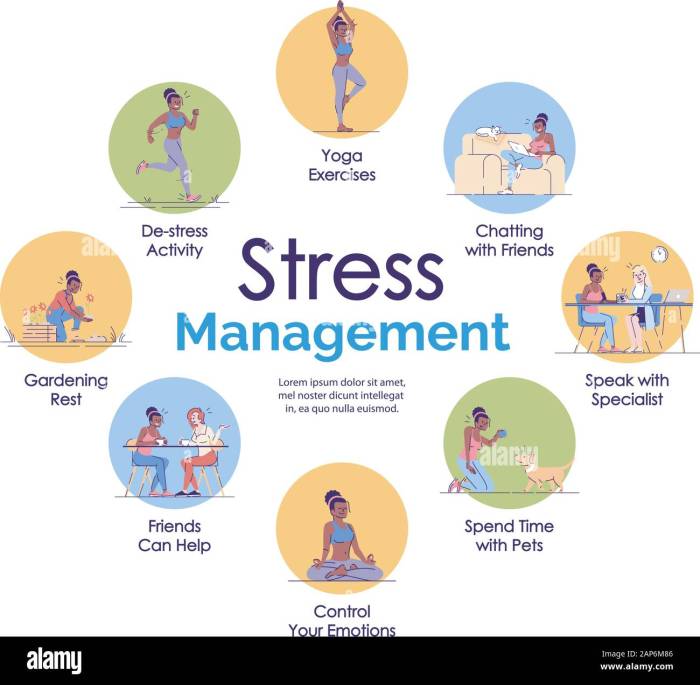
Maintaining a healthy work-life balance isn’t just about managing your schedule; it’s about prioritizing your overall wellbeing. Neglecting self-care can lead to burnout, decreased productivity, and a diminished quality of life. Investing time in your physical and mental health is crucial for sustaining energy and focus, both at work and in your personal life. This section explores practical strategies for incorporating self-care into your daily routine.
Self-care encompasses various aspects of wellbeing, but three fundamental pillars are sleep, exercise, and nutrition. These elements significantly impact energy levels, stress management, and overall health, directly influencing your ability to navigate the demands of work and personal life effectively.
The Importance of Sleep, Exercise, and Nutrition
Adequate sleep, regular physical activity, and a balanced diet are interconnected and essential for maintaining a healthy work-life balance. Lack of sleep leads to reduced cognitive function, impaired decision-making, and increased irritability, negatively impacting both work performance and personal relationships. Regular exercise reduces stress, improves mood, and boosts energy levels. A nutritious diet provides the necessary fuel for physical and mental performance, enhancing concentration and resilience.
To incorporate these into a busy schedule, consider small, consistent changes. Aim for 7-8 hours of sleep nightly by establishing a regular sleep schedule and creating a relaxing bedtime routine. Incorporate short bursts of exercise throughout the day, such as a brisk walk during your lunch break or a quick workout in the morning. Prepare healthy meals and snacks in advance to avoid unhealthy impulsive choices. Even small adjustments can make a significant difference. For example, taking the stairs instead of the elevator, or walking or cycling to work instead of driving, can contribute to your daily physical activity. Similarly, packing a lunch instead of buying fast food can lead to better nutritional choices.
Mindfulness Techniques and Stress-Reduction Strategies
Stress is an inevitable part of life, but chronic stress can significantly impact work-life balance. Mindfulness techniques and stress-reduction strategies can help manage stress levels and promote emotional wellbeing.
Practicing mindfulness involves paying attention to the present moment without judgment. This can be achieved through various techniques, including meditation, deep breathing exercises, and mindful movement such as yoga. These practices can help calm the mind, reduce anxiety, and improve focus. Other stress-reduction strategies include spending time in nature, listening to calming music, engaging in hobbies, and connecting with loved ones. Even short periods of these activities can significantly reduce stress and improve overall wellbeing. For instance, a 10-minute meditation session in the morning can promote a sense of calm and focus for the rest of the day. Similarly, a short walk in a park during lunch can provide a refreshing break and reduce stress.
The Benefits of Regular Breaks and Vacations
Regular breaks and vacations are crucial for preventing burnout and maintaining a sustainable work-life balance. Breaks throughout the workday allow for mental restoration and improved focus. Vacations provide an opportunity for complete disengagement from work, allowing for rest, rejuvenation, and a renewed perspective.
Effective break planning involves scheduling short breaks throughout the day, such as a 5-10 minute break every hour. These breaks can involve simple activities like stretching, walking, or listening to music. Vacation planning should involve setting aside dedicated time well in advance, ensuring adequate time off to fully disconnect from work responsibilities. Consider activities that promote relaxation and rejuvenation, such as spending time in nature, engaging in hobbies, or spending quality time with loved ones. A well-planned vacation can lead to increased productivity and improved overall wellbeing upon returning to work. For example, a weekend getaway can provide a much-needed break from the routine, while a longer vacation can allow for a complete reset and a renewed sense of purpose.
Final Wrap-Up
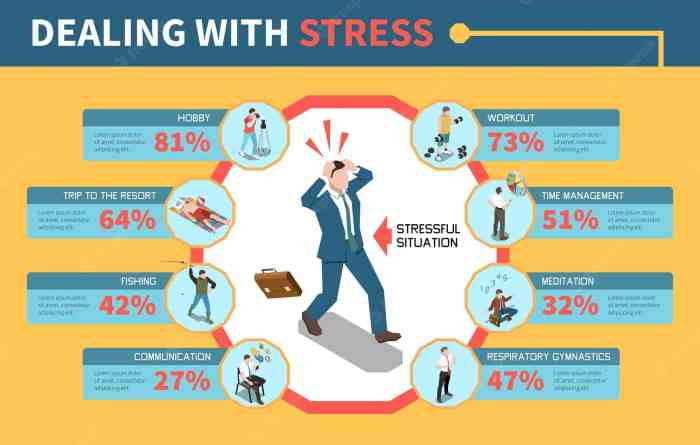
Achieving a sustainable work-life balance is an ongoing journey, not a destination. By consistently applying the strategies Artikeld – prioritizing tasks, setting boundaries, and nurturing your well-being – you’ll steadily build a life where work and personal fulfillment coexist harmoniously. Remember, it’s about creating a lifestyle that supports your overall health and happiness, allowing you to thrive both professionally and personally. Embrace the process, adapt the techniques to your individual needs, and enjoy the benefits of a more balanced and fulfilling life.