Juggling academics, extracurriculars, and a social life can feel overwhelming for students. Effective time management isn’t about cramming more into your day; it’s about prioritizing tasks, optimizing your study habits, and utilizing tools to streamline your workflow. This guide provides six actionable tips to help you conquer your academic workload and achieve a healthier work-life balance.
We’ll explore practical strategies like creating personalized weekly schedules, mastering the Pomodoro Technique, and leveraging digital calendars. We’ll also delve into effective study methods, techniques for minimizing distractions, and helpful apps to enhance your productivity. By implementing these techniques, you can transform your approach to time management, reducing stress and improving academic performance.
Prioritization and Planning

Effective time management hinges on prioritizing tasks and planning your schedule meticulously. Failing to plan is planning to fail, as the adage goes. A well-structured schedule, coupled with a robust prioritization system, allows you to allocate your time efficiently, ensuring you dedicate sufficient effort to high-priority tasks while still maintaining a healthy work-life balance. This section will explore practical strategies for prioritizing your workload and creating a realistic weekly schedule.
A successful approach involves understanding the interplay between your academic responsibilities, extracurricular activities, and personal needs. Ignoring any one of these areas can lead to burnout and decreased overall productivity. By consciously allocating time to each, you create a more sustainable and fulfilling academic experience.
Weekly Schedule Design
Creating a weekly schedule provides a visual representation of your commitments, allowing for better time allocation and preventing scheduling conflicts. The following table illustrates a sample weekly schedule:
| Day | Time | Activity | Priority Level |
|---|---|---|---|
| Monday | 9:00 AM – 12:00 PM | Calculus Lecture & Problem Set | High |
| Monday | 1:00 PM – 2:00 PM | Lunch with Friends | Medium |
| Monday | 2:00 PM – 5:00 PM | History Seminar & Reading | High |
| Tuesday | 9:00 AM – 10:00 AM | Gym | Medium |
| Tuesday | 10:00 AM – 1:00 PM | Chemistry Lab | High |
| Wednesday | 7:00 PM – 9:00 PM | Student Government Meeting | Medium |
| Thursday | 6:00 PM – 7:00 PM | Dinner with Family | High |
| Friday | All Day | Free Time/Relaxation | Low |
| Saturday | 10:00 AM – 2:00 PM | Essay Writing (Literature) | High |
| Sunday | All Day | Review Notes & Plan for Next Week | High |
The Pomodoro Technique and its Applications
The Pomodoro Technique is a time management method that uses a timer to break down work into intervals, traditionally 25 minutes in length, separated by short breaks. This structured approach enhances focus and prevents mental fatigue. For studying, a Pomodoro session could focus on a specific chapter, concept, or problem set. Following the 25-minute work interval, a 5-minute break is recommended. After four Pomodoros, a longer break of 15-20 minutes is suggested.
Modifications for different learning styles are possible. Visual learners might benefit from incorporating visual aids during their Pomodoro sessions, while kinesthetic learners might find it helpful to incorporate short physical activities during their breaks. Auditory learners could listen to relevant audio materials during their study sessions.
Sample Prioritized To-Do List
A well-structured to-do list incorporates both short-term and long-term goals, ensuring a balance between immediate tasks and larger academic objectives.
The following is a sample prioritized to-do list for a typical student week:
- High Priority: Complete Calculus assignment (due Friday).
- High Priority: Write first draft of Literature essay (due next Monday).
- High Priority: Study for Chemistry exam (exam next Wednesday).
- Medium Priority: Attend all lectures and seminars.
- Medium Priority: Review notes from this week’s classes.
- Medium Priority: Attend student government meeting.
- Low Priority: Catch up on personal emails and social media.
- Long-Term Goal: Research potential internships for the summer.
- Long-Term Goal: Start saving money for next semester’s tuition.
Effective Study Habits
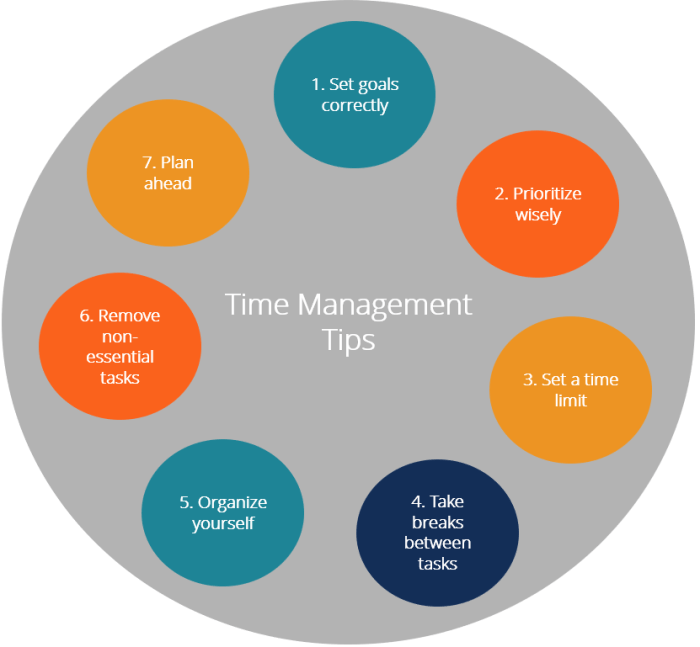
Effective study habits are crucial for academic success. They go beyond simply reading your textbook; they involve actively engaging with the material and employing strategies that suit your learning style and the subject matter. This section will explore various study methods, strategies for minimizing distractions, and a step-by-step guide to creating effective study notes.
Comparative Analysis of Study Methods
Choosing the right study method can significantly impact your learning efficiency. Different methods work better for different subjects and learning styles. The following table compares three popular methods: flashcards, mind mapping, and active recall.
| Study Method | Pros | Cons | Best Suited For |
|---|---|---|---|
| Flashcards | Easy to create and use; good for memorizing facts and definitions; portable and convenient for review. | Can become tedious for large amounts of information; may not promote deep understanding; relies heavily on rote memorization. | Memorizing vocabulary, historical dates, formulas, or definitions in subjects like biology, history, or languages. |
| Mind Mapping | Visually engaging; helps to see connections between ideas; promotes creative thinking and organization of information. | Can be time-consuming to create; may not be suitable for highly detailed or complex subjects; requires some practice to master. | Organizing complex topics, brainstorming ideas, understanding relationships between concepts in subjects like literature, psychology, or project management. |
| Active Recall | Forces you to actively retrieve information; strengthens memory; identifies knowledge gaps. | Can be challenging at first; requires self-discipline and effort; may be frustrating if you don’t know the answer. | Testing your knowledge before exams; reviewing material from lectures or textbooks; improving long-term retention in all subjects. |
Minimizing Distractions While Studying
Creating a distraction-free study environment is vital for effective learning. Here are some strategies to manage interruptions and maintain focus:
Effective distraction management significantly improves study efficiency. Proactive measures are key to minimizing interruptions and maximizing concentration.
- Designate a specific study space: Choose a quiet, organized area free from clutter and interruptions.
- Turn off notifications: Silence your phone, close unnecessary tabs on your computer, and log out of social media.
- Use website blockers: Employ browser extensions or apps that temporarily block distracting websites during study sessions.
- Inform others of your study time: Let your family and friends know when you need uninterrupted time to study.
- Use noise-canceling headphones: Block out background noise with headphones or earplugs.
- Take regular breaks: Short breaks can help maintain focus and prevent burnout. The Pomodoro Technique (25 minutes of focused work followed by a 5-minute break) is a popular method.
Creating Effective Study Notes
Well-structured study notes are essential for effective learning and exam preparation. The following steps Artikel a process for creating concise and useful notes:
A structured approach to note-taking ensures efficient information processing and retention. Summarizing, paraphrasing, and visual aids significantly enhance understanding and recall.
- Attend lectures actively: Listen attentively, identify key concepts, and jot down main points. Don’t try to transcribe everything verbatim.
- Summarize key concepts: Condense lengthy explanations into concise summaries in your own words. Focus on understanding the core ideas.
- Paraphrase information: Rewrite concepts in your own words to ensure deeper understanding and avoid simple memorization.
- Use visual aids: Incorporate diagrams, charts, and mind maps to illustrate complex relationships and enhance comprehension. A visual representation can often clarify abstract concepts more effectively than text alone.
- Review and revise your notes regularly: Regular review strengthens memory and reinforces understanding. Spaced repetition, reviewing material at increasing intervals, is particularly effective.
- Organize your notes: Use headings, subheadings, and bullet points to create a clear and logical structure. This improves readability and aids in information retrieval.
Time Management Tools and Techniques
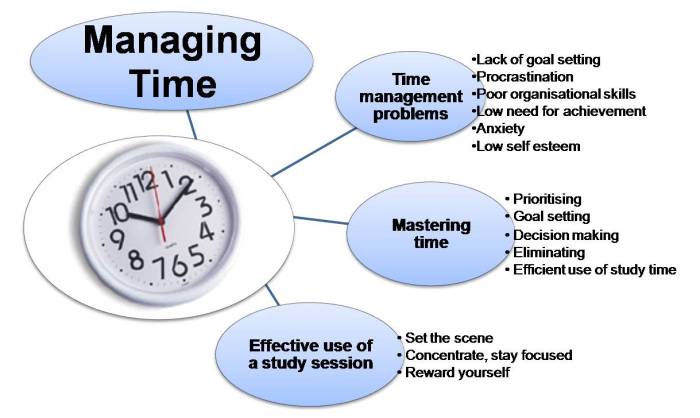
Effective time management isn’t just about planning; it’s about leveraging the right tools and techniques to streamline your workflow and maximize productivity. This section explores various digital tools and strategies designed to help you stay organized and on top of your academic commitments. We’ll examine how to utilize digital calendars, understand the power of time blocking, and explore helpful mobile applications.
Utilizing Digital Calendar Applications
Digital calendar applications, such as Google Calendar, offer a powerful way to visualize and manage your schedule. These applications allow you to input assignments, deadlines, appointments, and extracurricular activities, providing a centralized overview of your commitments. Effective use involves creating distinct calendar entries for each task, including detailed descriptions and setting reminders. For example, a screenshot of a Google Calendar entry might show a specific assignment due date, the course name, and a linked document. Another screenshot might highlight the use of color-coding to differentiate between coursework, social events, and personal appointments, improving visual organization and quick identification of conflicting schedules. The calendar’s notification features, depicted in a potential screenshot showing an alert popup, ensure timely reminders about upcoming deadlines and appointments.
Time Blocking and its Benefits
Time blocking is a technique that involves scheduling specific blocks of time for particular tasks. Instead of loosely planning your day, you allocate dedicated time slots for studying, attending classes, working on assignments, and engaging in other activities. This structured approach minimizes procrastination and improves focus by creating a visual schedule that emphasizes the importance of dedicated work periods. For instance, a student might block out two hours on Monday afternoon for working on their history essay, three hours on Tuesday evening for chemistry problem sets, and an hour on Wednesday morning for reviewing lecture notes. This pre-allocated time prevents task-switching and interruptions, leading to increased efficiency and reduced stress.
Helpful Mobile Apps and Software
Several mobile applications and software programs are designed to enhance time management skills. The following table summarizes some popular options, highlighting their key features and benefits:
| App Name | Key Features | Benefits |
|---|---|---|
| Google Calendar | Scheduling, reminders, calendar sharing, color-coding, integration with other Google services | Centralized scheduling, improved organization, collaborative planning, timely reminders |
| Todoist | Task management, project organization, prioritization features, collaboration tools, recurring tasks | Improved task prioritization, enhanced productivity, seamless project management, streamlined collaboration |
| Forest | Focus timer, gamified approach, prevents phone distractions | Increased focus during study sessions, reduced phone usage, improved concentration |
| Freedom | Website and app blocking, customizable schedules, cross-platform compatibility | Eliminates distractions from social media and other websites, promotes focused work sessions |
End of Discussion

Mastering the art of time management as a student is a journey, not a destination. By consistently applying the techniques Artikeld—prioritizing tasks, optimizing study habits, and utilizing helpful tools—you’ll build a foundation for success. Remember that flexibility and adaptation are key; find what works best for your individual learning style and adjust your strategies accordingly. With dedication and consistent effort, you can achieve a more balanced and fulfilling student experience.