Project setbacks are inevitable. Even the most meticulously planned endeavors can encounter unexpected hurdles, from resource constraints to unforeseen technical challenges. This guide offers five practical tips to navigate these difficulties, transforming potential crises into opportunities for growth and improved project management. We’ll explore strategies for identifying problems, implementing corrective actions, and ultimately preventing future issues, ensuring smoother project execution and improved outcomes.
By understanding how to effectively assess the severity of problems, prioritize solutions, and communicate transparently with stakeholders, you can significantly reduce the impact of disruptions and maintain project momentum. We’ll delve into proven methodologies, practical examples, and actionable steps to help you confidently address project challenges and emerge stronger.
Identifying and Assessing the Problem

Project management, even with the best planning, often encounters unexpected hurdles. Understanding how to identify and assess these problems is crucial for effective mitigation and successful project completion. Failure to do so can lead to cost overruns, missed deadlines, and ultimately, project failure.
Common project derailments frequently stem from scope creep (uncontrolled expansion of project requirements), resource constraints (lack of personnel, budget, or equipment), communication breakdowns (misunderstandings between team members or stakeholders), and unforeseen technical challenges. The impact of these derailments can range from minor delays and budget adjustments to complete project abandonment, depending on the severity and the project’s overall context. For example, a small scope creep in a large project might be absorbed easily, but in a small project with a tight budget, it could lead to significant issues. Similarly, a minor communication breakdown in a well-established team might be quickly resolved, but in a newly formed team, it could cause major delays.
Checklist for Identifying Root Causes
A structured approach is essential for pinpointing the root cause of project issues. This checklist aids in systematically investigating problems and prevents superficial solutions that only address symptoms rather than the underlying causes.
- Define the problem clearly: What exactly is going wrong? Be specific and avoid generalizations.
- Gather data: Collect relevant information from team members, stakeholders, and project documentation.
- Identify potential causes: Brainstorm possible reasons for the problem. Consider both internal and external factors.
- Analyze the data: Evaluate the gathered information to determine which potential causes are most likely.
- Verify the root cause: Test your hypothesis to ensure you’ve identified the true underlying issue.
- Document findings: Record your analysis and conclusions for future reference.
Prioritizing Problems Based on Urgency and Impact
Not all problems are created equal. Prioritization ensures that the most critical issues receive immediate attention, while less urgent ones can be addressed later. A useful method is to use a matrix that plots problems based on their urgency (how quickly they need to be addressed) and impact (how severely they affect the project).
Problems in the high-urgency, high-impact quadrant require immediate action. Those in the low-urgency, low-impact quadrant can be deferred. This matrix provides a clear visual representation to guide decision-making and resource allocation. For instance, a critical bug discovered just before a major release would be high-urgency, high-impact, while a minor design flaw with a distant deadline would be low-urgency, low-impact.
Comparison of Problem-Solving Methodologies
Different methodologies offer unique approaches to problem-solving. Understanding their strengths and weaknesses allows for selecting the most appropriate method for a given situation.
| Method | Description | Strengths | Weaknesses |
|---|---|---|---|
| 5 Whys | Repeatedly asking “why” to uncover the root cause of a problem. | Simple, easy to understand and implement; effective for identifying causal chains. | Can become circular; may not uncover systemic issues. |
| Pareto Analysis (80/20 Rule) | Identifies the vital few causes that contribute to the majority of problems. | Focuses efforts on the most impactful issues; efficient resource allocation. | Requires data collection and analysis; may overlook less frequent but still significant problems. |
| Fishbone Diagram (Ishikawa Diagram) | Visualizes potential causes of a problem using a fishbone structure. | Encourages brainstorming and collaboration; provides a clear overview of potential causes. | Can become complex with many contributing factors; requires effective facilitation. |
| Root Cause Analysis (RCA) | A systematic approach to identify the underlying causes of problems, often involving fault tree analysis or similar techniques. | Comprehensive and thorough; identifies both direct and indirect causes. | Can be time-consuming and complex; requires specialized knowledge. |
Implementing Corrective Actions
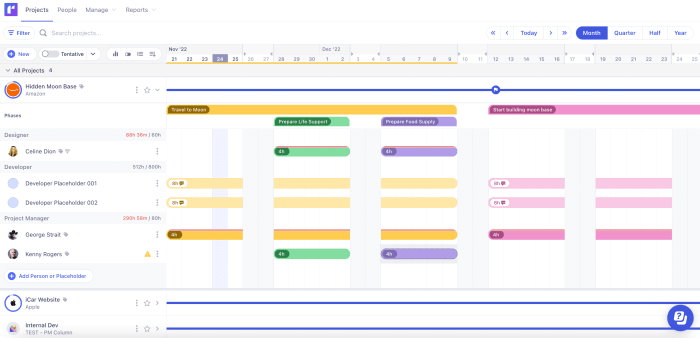
When a project veers off course, swift and decisive action is crucial. Effective corrective actions involve a multi-faceted approach encompassing clear communication, proactive risk management, a structured recovery plan, and adaptable resource allocation. Ignoring problems only exacerbates the situation, leading to further delays, cost overruns, and ultimately, project failure.
Effective communication is the bedrock of successful project recovery. Stakeholders need consistent, transparent updates, even—and especially—during challenging times. This fosters trust and allows for collaborative problem-solving.
Effective Communication Strategies During Project Crises
Open and honest communication is paramount. Avoid jargon and technical terms that stakeholders may not understand. Regular updates, delivered through various channels (email, meetings, project management software), ensure everyone is informed. For instance, a weekly email summarizing progress, challenges, and planned corrective actions can be highly effective. In addition to these regular updates, consider holding dedicated crisis communication meetings when significant setbacks occur. These meetings should provide a forum for stakeholders to voice concerns, ask questions, and collaborate on solutions. Finally, be prepared to address difficult questions directly and honestly; avoiding difficult conversations only breeds mistrust.
Best Practices for Risk Mitigation and Contingency Planning
Proactive risk management is key to minimizing the impact of unforeseen events. A well-defined risk register, identifying potential problems and outlining mitigation strategies, is essential. This should include contingency plans—detailed steps to be taken should specific risks materialize. For example, a project reliant on a specific supplier might have a contingency plan identifying alternative suppliers and outlining the process for switching. Similarly, a project sensitive to weather conditions might include contingency plans for delays or disruptions caused by extreme weather. Regularly reviewing and updating this register ensures its relevance throughout the project lifecycle.
Step-by-Step Plan for Recovering from a Significant Project Setback
A structured approach to recovery is vital. First, thoroughly analyze the setback to understand its root cause. Next, prioritize the most critical tasks needed to get the project back on track. Then, develop a revised project plan incorporating the necessary corrective actions and updated timelines. This plan should be communicated clearly to all stakeholders. Subsequently, monitor progress closely and make adjustments as needed. Finally, document the lessons learned to prevent similar issues in future projects. For example, if a major software bug caused a significant delay, the recovery plan might involve dedicated debugging sessions, revised testing protocols, and potentially, additional resources allocated to the development team.
Resource Allocation and Adjustment During Project Recovery
Effective resource allocation is crucial during recovery. This might involve reallocating existing resources, securing additional resources, or even temporarily reassigning personnel to critical tasks. For instance, if a delay impacts a specific phase, resources from a less critical phase could be temporarily shifted to address the bottleneck. Similarly, securing additional expertise might involve contracting specialized consultants to accelerate recovery efforts. Careful monitoring of resource utilization is vital to ensure efficiency and avoid further complications.
Adjusting Project Timelines and Budgets Realistically
Revising timelines and budgets is often necessary during recovery. This requires a realistic assessment of the remaining work, factoring in the impact of the setback. Avoid overly optimistic estimations; accurate projections are crucial for managing stakeholder expectations. For example, if a delay of two weeks is unavoidable, revise the project timeline accordingly and adjust the budget to reflect the additional costs. Clearly communicate these adjustments to stakeholders, explaining the rationale behind the changes. This transparency helps maintain trust and fosters continued support.
Preventing Future Problems
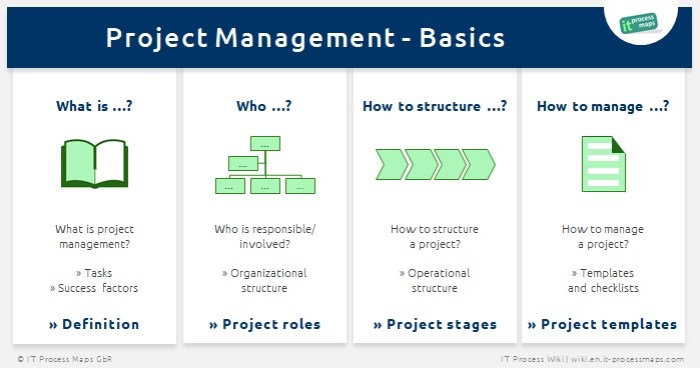
Proactive project management is crucial for minimizing disruptions and ensuring successful project delivery. By anticipating potential issues and implementing preventative measures, organizations can significantly reduce the likelihood of costly delays and setbacks. This section will explore strategies for preventing future problems, focusing on proactive risk assessment, continuous monitoring, and leveraging lessons learned.
Preventing future problems hinges on a shift from reactive to proactive project management. This involves implementing robust systems for identifying and mitigating risks before they escalate into major issues. A proactive approach minimizes disruptions, saves resources, and ultimately improves project success rates.
Proactive Project Management and Risk Assessment
Proactive project management emphasizes anticipating potential problems rather than reacting to them after they occur. This involves conducting thorough risk assessments early in the project lifecycle, identifying potential threats to project success, and developing mitigation strategies. For example, a software development project might assess risks related to technology failures, team member attrition, or changing client requirements. By identifying these risks upfront, the project team can develop contingency plans, allocate sufficient resources, and proactively address potential challenges. This approach significantly reduces the likelihood of unexpected problems derailing the project.
Project Monitoring and Early Issue Identification
Establishing a system for regularly monitoring project progress is vital for early issue detection. This involves tracking key metrics, holding regular status meetings, and utilizing project management software to visualize progress and identify potential deviations from the plan. For instance, a construction project might monitor progress against the schedule, budget, and resource allocation. Regular monitoring allows for the early identification of potential problems, such as material delays or skill shortages, enabling the project team to take corrective action before they escalate. Tools such as Gantt charts and burn-down charts provide visual representations of project progress, making it easier to identify potential problems.
Comparison of Project Management Methodologies
Different project management methodologies offer varying levels of effectiveness in preventing problems. Agile methodologies, for example, emphasize iterative development and frequent feedback, allowing for early detection and correction of issues. Waterfall methodologies, on the other hand, tend to be more rigid, making it more challenging to adapt to unexpected changes. The choice of methodology should depend on the project’s specific needs and complexity. Agile’s iterative nature allows for flexibility and responsiveness, making it well-suited for projects with evolving requirements. Waterfall’s structured approach is more suitable for projects with well-defined requirements and minimal expected changes.
Key Performance Indicators (KPIs) for Project Health
Regular monitoring of key performance indicators (KPIs) is crucial for assessing project health and identifying potential problems early. These metrics provide a quantitative measure of project progress and performance.
- Schedule Adherence: Percentage of tasks completed on time.
- Budget Adherence: Actual cost versus planned cost.
- Resource Utilization: Efficiency of resource allocation.
- Defect Rate: Number of defects found per unit of work.
- Client Satisfaction: Measured through surveys or feedback.
Tracking these KPIs allows for proactive identification of potential issues, enabling timely intervention and mitigation. For example, a consistent increase in the defect rate might indicate a problem with the development process, requiring adjustments to improve quality control.
Implementing Lessons Learned from Past Project Failures
A structured approach to capturing and implementing lessons learned from past project failures is crucial for preventing similar problems in future projects. This involves conducting post-project reviews, documenting lessons learned, and developing strategies to avoid repeating past mistakes. For instance, if a project failed due to inadequate risk assessment, future projects should incorporate more rigorous risk management processes. A central repository for storing lessons learned, accessible to all project teams, can ensure that valuable insights are shared and applied across the organization. This systematic approach contributes to continuous improvement in project management practices and reduces the likelihood of repeating past errors.
Ending Remarks

Successfully managing projects, even amidst unforeseen difficulties, is a testament to proactive planning and decisive action. By implementing the five tips Artikeld – from swiftly identifying root causes to proactively preventing future issues – you can significantly improve your ability to navigate project challenges. Remember, setbacks are not failures; they are learning opportunities that refine your approach and enhance your project management skills. Embrace these challenges, learn from them, and continue to refine your processes for even greater success in future endeavors.