Navigating the dynamics of managing individuals with significantly more experience than yourself presents unique challenges. This isn’t about asserting dominance, but rather about leveraging collective expertise for optimal team performance. Successfully managing experienced colleagues requires building trust, fostering open communication, and recognizing their invaluable contributions. This guide provides practical strategies to navigate this scenario effectively.
We’ll explore how to build strong working relationships based on mutual respect, effectively utilize their knowledge, and cultivate a collaborative environment where everyone feels valued and empowered to contribute. Mastering these skills transforms a potentially challenging situation into an opportunity for significant professional growth and team success.
Building Trust and Respect
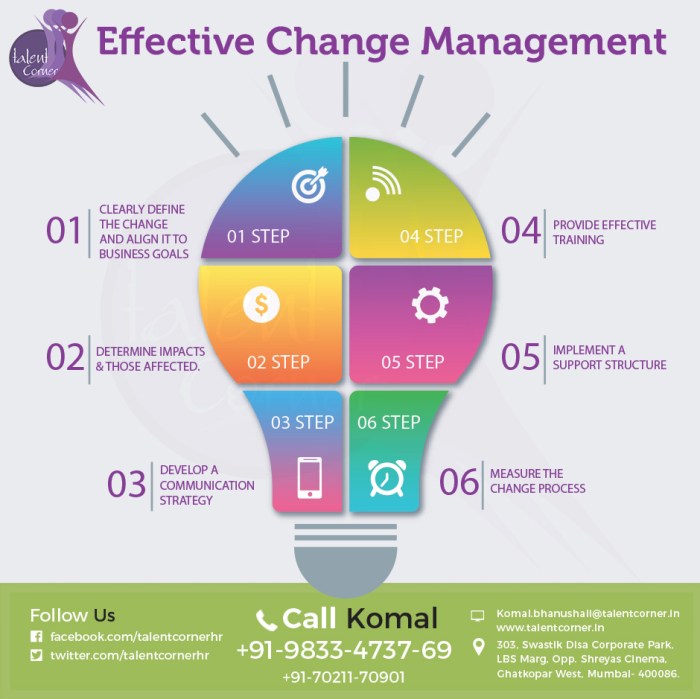
Building strong relationships with more experienced colleagues is crucial for success, especially when you’re in a leadership position despite having less tenure. It’s not about seniority, but about demonstrating competence, respect, and a genuine desire for collaboration. This involves actively listening to their perspectives, valuing their expertise, and showcasing your own abilities to contribute effectively to shared goals.
Effective communication and a proactive approach are key to establishing trust and respect. This goes beyond simple politeness; it’s about creating a collaborative environment where everyone feels valued and heard. By actively seeking their input and demonstrating your commitment to shared success, you build a foundation of mutual respect that fosters a productive and positive work environment.
Strategies for Building Rapport
Building rapport with more experienced colleagues involves a multifaceted approach that prioritizes mutual respect and the understanding of shared objectives. It requires demonstrating active listening, valuing their contributions, and showcasing your own capabilities. This approach cultivates a collaborative environment where everyone feels valued and respected. Open communication, a willingness to learn, and a commitment to achieving common goals are all crucial components of this process. For instance, regularly checking in with senior colleagues, seeking their advice on challenges, and actively acknowledging their contributions during team meetings can significantly contribute to establishing strong working relationships.
Actively Listening and Soliciting Input
Active listening is more than just hearing; it’s about truly understanding the speaker’s perspective. This involves paying close attention to both verbal and nonverbal cues, asking clarifying questions, and summarizing their points to ensure comprehension. When soliciting input, frame your questions in an open-ended manner to encourage thoughtful responses. For example, instead of asking “Do you think this approach is good?”, try “What are your thoughts on this approach, and what potential challenges do you foresee?”. This shows that you value their expertise and are seeking their genuine insights, fostering a collaborative and respectful dialogue. Regularly summarizing their points during conversations demonstrates that you’re actively listening and absorbing their feedback.
Demonstrating Competence and Value
Demonstrating your competence and value isn’t about boasting; it’s about showcasing your achievements and contributions through concrete examples. Highlight your successes, focusing on the positive impact you’ve made on projects and the team. For instance, you could say, “In the recent X project, I successfully implemented Y, which resulted in a Z% improvement in efficiency.” This provides quantifiable evidence of your capabilities and demonstrates your value to the team. Additionally, proactively taking on challenging tasks and consistently exceeding expectations showcases your dedication and commitment to the team’s success. This approach builds credibility and reinforces your position as a valuable contributor.
Handling Disagreements Respectfully
Disagreements are inevitable in any team, but handling them respectfully is key to maintaining trust and respect. Consider a scenario where you disagree with a senior colleague’s approach to a project. Instead of directly contradicting them, you might say, “I understand your perspective on this, and I appreciate your experience. However, I’ve also considered approach X, which might offer Y benefits. Could we discuss the pros and cons of both approaches to find the best solution?” This approach acknowledges their expertise while presenting your own perspective in a constructive and collaborative manner. Focusing on finding a mutually agreeable solution, rather than winning an argument, fosters a positive and respectful working relationship. This approach emphasizes collaboration and mutual respect, ensuring that disagreements are resolved professionally and productively.
Leveraging Expertise and Mentorship
Successfully managing a team where members possess more experience than you requires a strategic approach to leveraging their expertise. This involves actively seeking their guidance, understanding their strengths, and effectively translating their advice into tangible improvements. Building upon the foundation of trust and respect, this section focuses on practical methods for maximizing the contributions of senior team members.
Successfully navigating this dynamic requires a proactive approach to mentorship and knowledge transfer. Identifying and utilizing the strengths of senior team members is crucial for team success and your own professional development. This section will detail effective strategies for seeking mentorship, translating advice into action, and ultimately, achieving measurable results.
Identifying and Utilizing Strengths
Understanding the unique skills and experience each senior team member brings is paramount. Begin by conducting informal conversations to understand their career paths, past successes, and areas of particular expertise. Observe their work style and identify instances where their contributions have significantly benefited the team. This information can be documented in a concise summary for each individual, highlighting their key strengths and preferred communication methods. For example, one senior member might excel at strategic planning, while another might be a master of client relationship management. Knowing these strengths allows you to strategically delegate tasks, ensuring that the right person is working on the right project. This approach maximizes efficiency and fosters a sense of ownership and value among team members.
Seeking Guidance and Mentorship
Effectively seeking mentorship involves more than simply asking for advice. It requires a structured approach to ensure productive and mutually beneficial relationships. Start by identifying specific areas where you need guidance. This might involve clarifying ambiguous processes, gaining insights into challenging situations, or seeking feedback on your own performance. When approaching a senior team member for mentorship, clearly articulate your goals and the specific support you need. For example, instead of asking a vague question like “Can you help me with this project?”, frame your request with specific questions such as “I’m struggling with the budgeting phase of this project; could you share your experience with managing similar budgets in the past?” This focused approach demonstrates your initiative and ensures a more effective exchange of knowledge. Regular check-ins are also crucial to track progress and ensure ongoing support.
Translating Advice into Actionable Steps
Once you receive advice or mentorship, the crucial next step is to translate that guidance into actionable steps and measurable results. This involves carefully analyzing the advice received, breaking it down into manageable tasks, and establishing clear metrics to track progress. For instance, if a mentor suggests improving client communication, actionable steps might include creating a standardized communication plan, scheduling regular client check-ins, and tracking client satisfaction scores. By setting measurable goals (e.g., increase client satisfaction by 15% within three months), you can demonstrate the tangible impact of the mentorship received. Regularly reporting progress to your mentor allows for ongoing feedback and refinement of your approach.
Mentorship Styles and Effectiveness
| Mentorship Style | Description | Strengths | Weaknesses |
|---|---|---|---|
| Formal Mentorship | Structured program with defined goals, timelines, and regular meetings. | Provides clear direction, accountability, and measurable outcomes. | Can be rigid and less adaptable to individual needs. |
| Informal Mentorship | Spontaneous guidance and support based on organic interactions and relationships. | Flexible and adaptable, fosters stronger personal connections. | Less structured, may lack clear goals and accountability. |
| Reverse Mentorship | Younger team members mentor senior members on new technologies or trends. | Bridges generational gaps, promotes innovation, and fosters mutual learning. | Requires careful selection of mentors and mentees, potential power imbalances. |
| Group Mentorship | Multiple mentees learn from a single mentor or a group of mentors. | Cost-effective, fosters peer learning and networking. | Individual needs may not be fully addressed, potential for unequal participation. |
Effective Communication and Collaboration

Effective communication is paramount when working with more experienced colleagues. Building strong working relationships relies heavily on clear, concise, and respectful interactions. Understanding different communication styles and adapting your approach accordingly fosters collaboration and prevents misunderstandings.
Clear and concise communication minimizes ambiguity and ensures everyone is on the same page. This is especially important when dealing with complex projects or sensitive information. Avoiding jargon, using plain language, and actively seeking clarification are crucial steps in ensuring effective communication. For instance, instead of using technical terms a senior colleague may not understand, opting for simpler explanations ensures better comprehension and avoids potential frustration. Active listening, paraphrasing to confirm understanding, and asking clarifying questions all contribute to a more productive dialogue.
Communication Styles and Their Impact on Collaboration
Different individuals favor various communication styles. Some prefer direct, concise emails, while others value more detailed, face-to-face discussions. Understanding these preferences and tailoring your communication accordingly can significantly impact collaboration. For example, a senior engineer might prefer a brief email outlining project updates, while a senior manager might appreciate a longer meeting discussing both the progress and the challenges. Recognizing and respecting these preferences fosters a more positive and productive working environment. Mismatched communication styles can lead to missed deadlines or unresolved conflicts; therefore, adapting your approach to align with the preferences of your senior colleagues is essential for effective teamwork.
Conflict Resolution Through Collaboration
Imagine a scenario where you’ve developed a new process, but a senior colleague, with extensive experience in the area, expresses concerns about its feasibility. Instead of becoming defensive, acknowledge their concerns and engage in a collaborative problem-solving session. This could involve presenting data supporting your approach, actively listening to their feedback, and jointly identifying potential challenges. Together, you could brainstorm solutions, modifying the process to address the concerns while retaining its core benefits. This collaborative approach demonstrates respect for their experience and fosters a sense of shared ownership in the project’s success. The focus should be on finding a mutually acceptable solution, rather than proving who is right. This approach builds trust and strengthens the working relationship.
Providing Constructive Feedback to Senior Colleagues
Providing feedback to more experienced colleagues requires tact and diplomacy. Frame your feedback constructively, focusing on the impact of their actions rather than making personal criticisms. For example, instead of saying, “Your presentation was disorganized,” try, “I noticed the presentation could benefit from a clearer structure, perhaps by outlining key takeaways at the beginning.” This approach maintains respect while offering helpful suggestions. Always focus on specific instances and offer concrete examples to support your points. Furthermore, express your feedback with a sincere desire to improve the situation, rather than simply pointing out flaws. A respectful and collaborative approach ensures your feedback is received positively and leads to improvements, rather than creating defensiveness or resentment.
Conclusive Thoughts
Successfully managing more experienced individuals hinges on recognizing their expertise as a valuable asset, not a threat. By focusing on building trust, leveraging mentorship opportunities, and fostering open communication, you can create a highly productive and collaborative work environment. Remember, respectful collaboration and clear communication are key to unlocking the potential of your entire team, regardless of individual experience levels. Embrace these principles, and you’ll find that managing experienced colleagues becomes a source of strength and innovation.