Crises, whether natural disasters, cybersecurity breaches, or reputational damage, can severely impact businesses. Effective crisis management isn’t about preventing every eventuality, but about mitigating risks and responding swiftly and decisively when challenges arise. This guide provides six key strategies to navigate these turbulent waters, helping you protect your organization and maintain its stability.
Understanding the types of crises your business faces, developing a comprehensive plan, and regularly testing that plan are crucial for resilience. This involves identifying vulnerabilities in your operations, establishing clear communication protocols, and building a strong crisis management team. By proactively addressing potential problems and practicing your response, you can significantly reduce the impact of unforeseen events.
Identifying and Assessing Risks During a Crisis

Effective crisis management hinges on proactively identifying and assessing potential risks. Understanding the vulnerabilities within your organization and anticipating potential disruptions is crucial for developing robust mitigation strategies. This involves a thorough examination of various crisis types and their potential impacts on your business operations.
Five Common Crisis Types and Associated Risks
Businesses face a multitude of potential crises. Understanding the five most common types—and their associated risks—allows for targeted risk mitigation efforts.
| Crisis Type | Potential Risks |
|---|---|
| Reputational Damage (e.g., product recall, negative publicity) | Loss of customer trust, decreased sales, difficulty attracting investors, legal action, brand devaluation. For example, a company facing a large-scale product recall might experience significant financial losses due to replacement costs, lost sales, and legal fees. Negative media coverage can further exacerbate the situation. |
| Supply Chain Disruption (e.g., natural disaster, geopolitical instability) | Production delays, shortages of raw materials, increased costs, inability to meet customer demand, potential contract breaches. The COVID-19 pandemic serves as a prime example, with many businesses facing significant supply chain disruptions due to factory closures and logistical challenges. |
| Cybersecurity Breach (e.g., data leak, ransomware attack) | Data loss, financial losses, regulatory fines, reputational damage, loss of customer confidence, legal liabilities. The 2017 Equifax data breach, which exposed the personal information of millions of customers, resulted in significant financial losses, regulatory fines, and reputational damage for the company. |
| Natural Disaster (e.g., earthquake, flood, hurricane) | Physical damage to facilities, disruption of operations, loss of life or injury to employees, supply chain disruptions, insurance claims, business interruption. Hurricane Katrina in 2005 caused widespread damage and disruption to businesses in the Gulf Coast region, highlighting the significant financial and operational challenges posed by such events. |
| Financial Crisis (e.g., economic recession, liquidity issues) | Reduced sales, decreased profits, difficulty accessing credit, potential bankruptcy, job losses, investor concerns. The 2008 financial crisis demonstrated the vulnerability of businesses to macroeconomic shocks, with many companies experiencing significant financial distress and even bankruptcy. |
Risk Assessment Matrix
A risk assessment matrix helps prioritize crises based on their likelihood and potential impact. This allows for the allocation of resources to the most critical risks.
| Crisis Type | Likelihood | Impact | Mitigation Strategy |
|---|---|---|---|
| Reputational Damage | Medium | High | Proactive communication, robust crisis communication plan, strong customer service, thorough product testing |
| Supply Chain Disruption | Medium | High | Diversification of suppliers, robust inventory management, strong supplier relationships, contingency planning |
| Cybersecurity Breach | Medium | High | Strong cybersecurity measures, regular security audits, employee training, incident response plan |
| Natural Disaster | Low | High | Business continuity planning, disaster recovery plan, insurance coverage, relocation of critical assets |
| Financial Crisis | Low | Medium | Financial planning, diversification of revenue streams, strong cash reserves, debt management |
Proactive Identification of Crisis Points
Proactive identification of potential crisis points requires a systematic approach. This involves analyzing your company’s operational structure and supply chain for vulnerabilities.
Regular vulnerability assessments, coupled with scenario planning exercises, can effectively pinpoint potential weak points. For instance, a thorough review of the supply chain might reveal over-reliance on a single supplier, making the company vulnerable to disruptions if that supplier experiences problems. Similarly, an assessment of operational procedures might identify bottlenecks or areas with inadequate safety protocols, increasing the risk of accidents or production delays. Internal audits, employee feedback mechanisms, and external threat intelligence reports can also contribute to a more comprehensive understanding of potential crisis points.
Developing a Crisis Management Plan
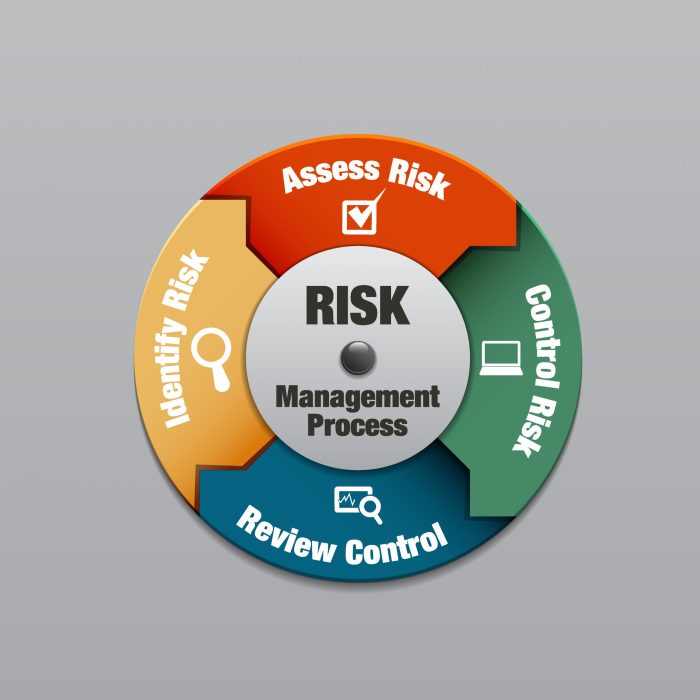
A robust crisis management plan is not a mere contingency document; it’s a dynamic roadmap guiding your organization through turbulent waters. A well-defined plan ensures a coordinated response, minimizing damage and preserving reputation. It’s a proactive measure, transforming potential chaos into manageable challenges. This section will Artikel the key elements for creating a comprehensive plan.
A well-structured crisis management plan should include a detailed communication strategy, a clearly defined crisis management team, and established protocols for various crisis scenarios. Failing to adequately prepare for a crisis can result in significant financial losses, reputational damage, and legal repercussions.
Crisis Communication Plan
Effective communication during a crisis is paramount. A well-defined plan ensures consistent messaging and timely updates to all stakeholders, fostering trust and mitigating misinformation. This involves establishing clear communication channels and procedures for both internal and external audiences.
- Step 1: Identify Key Stakeholders: Determine all parties who need to be informed (employees, customers, investors, media, government agencies).
- Step 2: Develop Key Messages: Craft concise, accurate, and consistent messages addressing the crisis. These messages should be tailored to each stakeholder group.
- Step 3: Establish Communication Channels: Choose appropriate methods for disseminating information (e.g., email, website updates, press releases, social media, internal communication platforms).
- Step 4: Designate Spokespersons: Select trained individuals to act as official communicators, ensuring a unified message.
- Step 5: Create a Communication Timeline: Establish a schedule for disseminating information, including regular updates and anticipated timelines for resolution.
- Step 6: Establish a Monitoring System: Continuously monitor media coverage and social media to track public sentiment and address misinformation.
- Step 7: Develop a Post-Crisis Communication Plan: Artikel how communication will continue after the immediate crisis has subsided, focusing on recovery and rebuilding trust.
Examples of Effective Crisis Communication Strategies
Maintaining transparency and building trust are crucial during a crisis. Open and honest communication, even when delivering difficult news, fosters confidence. Examples include promptly acknowledging the situation, expressing empathy, and outlining the steps being taken to address the issue. For example, during the Tylenol tampering crisis of 1982, Johnson & Johnson’s immediate and transparent response, including a product recall and a shift to tamper-resistant packaging, helped preserve their reputation. Conversely, a delayed or inadequate response can exacerbate the situation, leading to heightened public anger and lasting reputational damage.
Crisis Management Team Composition
A well-defined crisis management team is crucial for effective response. Each member should have clearly defined roles and responsibilities, ensuring a coordinated and efficient response. The team should include representatives from various departments to provide a holistic perspective.
| Role | Responsibilities | Contact Information | Reporting Structure |
|---|---|---|---|
| Crisis Manager | Overall leadership and coordination of the crisis response | [Contact Details] | CEO/Board of Directors |
| Communications Director | Managing all internal and external communications | [Contact Details] | Crisis Manager |
| Legal Counsel | Providing legal guidance and ensuring compliance | [Contact Details] | Crisis Manager |
| Operations Manager | Overseeing operational aspects of the crisis response | [Contact Details] | Crisis Manager |
Implementing and Testing the Plan
A robust crisis management plan is only as good as its implementation and testing. Regular practice and thorough review are crucial for ensuring effectiveness and identifying areas for improvement. Without these steps, your plan remains a theoretical document, unprepared for the pressures of a real-world crisis.
The process of implementing and testing involves a multifaceted approach encompassing drills, simulations, and post-incident analysis. This ensures that your plan is not only comprehensive but also adaptable and responsive to the unique challenges presented by each crisis.
Conducting Drills and Simulations
Regular drills and simulations are essential for testing the effectiveness of the crisis management plan. These exercises provide a safe environment to identify weaknesses, refine procedures, and train personnel in crisis response protocols. Drills can range from simple table-top exercises involving key personnel discussing hypothetical scenarios to full-scale simulations involving multiple teams and potentially even external stakeholders. For example, a hospital might conduct a drill simulating a mass casualty incident, while a technology company might simulate a major data breach. These exercises allow teams to practice communication, coordination, and decision-making under pressure, improving their collective response capabilities. The key is to make the simulations as realistic as possible, incorporating unexpected challenges and stressful conditions to accurately assess the plan’s resilience. After each drill, a detailed debriefing should be conducted to identify areas needing improvement.
Post-Incident Reviews
Post-incident reviews are crucial for learning from both successes and failures. Following any crisis, regardless of scale, a thorough review should be conducted. This involves gathering information from various sources, including participants’ accounts, communication logs, and performance data. The review should analyze the effectiveness of each element of the crisis management plan, highlighting areas where the plan performed well and areas requiring modification. For instance, if a communication breakdown occurred, the review should identify the root cause and suggest improvements to communication protocols. A well-structured review should lead to actionable steps for enhancing future crisis responses. This continuous improvement cycle is essential for maintaining a relevant and effective crisis management plan. For example, a company experiencing a product recall might review its communication strategy with customers, supply chain management, and internal teams, identifying areas for improvement in speed and clarity of information dissemination.
Crisis Communication Channels
Effective crisis communication is vital for mitigating damage and maintaining stakeholder trust. Different channels are suitable for different scenarios. Email is appropriate for internal communication and disseminating factual information to a large number of people, while social media platforms are useful for rapid updates and engaging with a wider audience. Press releases, on the other hand, are essential for communicating with the media and managing public perception. The choice of channel depends on factors such as the urgency of the situation, the target audience, and the nature of the information being communicated. For example, during a natural disaster, social media might be used for rapid updates on evacuations and resource availability, while press releases would inform the broader public about the disaster and the organization’s response. A well-defined communication plan, outlining roles, responsibilities, and preferred channels for different scenarios, is critical for effective crisis management.
Ending Remarks
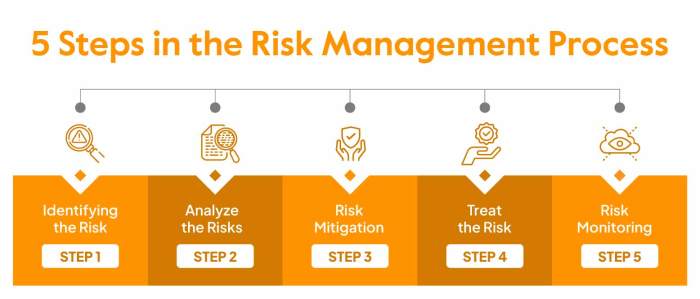
Successfully navigating a crisis requires proactive planning, effective communication, and a well-coordinated team. By implementing the strategies Artikeld – from risk assessment and plan development to regular drills and post-incident reviews – organizations can significantly improve their ability to weather storms and emerge stronger. Remember, preparedness is the cornerstone of resilience, allowing you to not only survive crises but to thrive in their aftermath.