Consistently struggling to get a good night’s rest? The pursuit of quality sleep is a journey, not a destination, and understanding how to manage your sleep is crucial for overall well-being. This guide explores eight key strategies, from optimizing your sleep environment to addressing underlying sleep disorders, to help you unlock the restorative power of sleep and wake up feeling refreshed and energized.
We’ll delve into practical techniques for improving your sleep hygiene, making dietary and lifestyle adjustments, and recognizing when professional help might be necessary. By implementing these strategies, you can pave the way towards a healthier, more balanced life, starting with a better night’s sleep.
Prioritize Sleep Hygiene
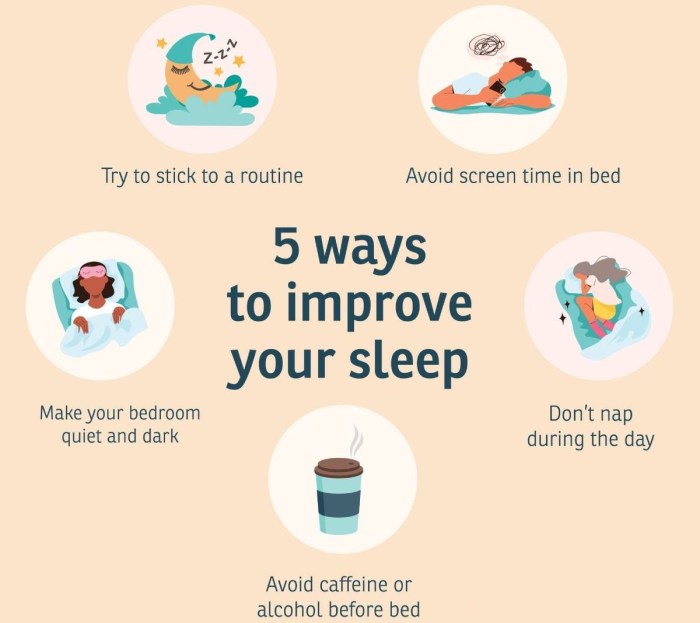
Sleep hygiene encompasses the habits and practices that directly influence the quality and quantity of your sleep. Prioritizing these habits is crucial for achieving restorative rest and maintaining overall well-being. Neglecting sleep hygiene can lead to chronic sleep deprivation, impacting physical and mental health significantly.
Consistent Sleep Schedule
Maintaining a regular sleep schedule, even on weekends, is paramount for regulating your body’s natural sleep-wake cycle, known as the circadian rhythm. A consistent schedule helps synchronize your internal clock, leading to easier sleep onset and more consolidated sleep throughout the night. Irregular sleep patterns disrupt this rhythm, resulting in sleepiness during the day and difficulty falling asleep at night. For example, consistently going to bed and waking up around the same time, even on days off, helps to regulate your body’s natural sleep-wake cycle, promoting better sleep quality.
Relaxing Bedtime Routine
Establishing a relaxing bedtime routine signals to your body that it’s time to wind down and prepare for sleep. This routine should be calming and consistent, creating a positive association with bedtime. Activities such as taking a warm bath, reading a book, listening to calming music, or practicing gentle stretching can help reduce stress and promote relaxation. The consistency of the routine helps train your body to associate these activities with sleep, making it easier to fall asleep.
Optimizing the Sleep Environment
The environment in which you sleep plays a significant role in sleep quality. Optimizing your sleep environment involves controlling factors like temperature, darkness, and noise. A slightly cool room (around 65 degrees Fahrenheit or 18 degrees Celsius) is ideal for sleep. Complete darkness is crucial as light exposure suppresses melatonin, a hormone that regulates sleep. Minimizing noise, either through earplugs or white noise machines, can also significantly improve sleep quality. For instance, a bedroom that is too bright or too noisy can interfere with the ability to fall asleep and stay asleep.
Sample Bedtime Routine
A sample bedtime routine could include: a warm shower at 9:00 PM, followed by 15 minutes of gentle stretching or yoga at 9:30 PM, then reading a book for 30 minutes at 10:00 PM, and finally, practicing deep breathing exercises for 10 minutes before turning off the lights at 10:40 PM to sleep. This routine promotes relaxation and signals the body it is time for sleep.
Sleep Environment Checklist
To evaluate and improve your sleep environment, consider the following checklist:
- Temperature: Is the room comfortably cool (around 65°F/18°C)?
- Darkness: Are all light sources minimized or blocked (e.g., blackout curtains, eye mask)?
- Noise: Are there any distracting noises? (Consider earplugs or a white noise machine)
- Comfort: Is your bedding comfortable and supportive? (Consider mattress, pillows, sheets)
- Ventilation: Is the room well-ventilated? (Fresh air can improve sleep quality)
- Clutter: Is the bedroom clean and organized, creating a calm and relaxing space?
By addressing these factors, you can create a sleep environment that promotes restful and restorative sleep.
Dietary and Lifestyle Adjustments

Optimizing your diet and lifestyle can significantly impact your sleep quality. Making conscious choices about what you eat and drink, how you exercise, and how you manage stress can pave the way for more restful nights. These adjustments work synergistically with good sleep hygiene to create a holistic approach to better sleep.
Caffeine and Alcohol Consumption’s Effects on Sleep
Caffeine and alcohol, while seemingly innocuous, can disrupt sleep patterns. Caffeine, a stimulant, blocks adenosine, a neurotransmitter that promotes sleepiness. Consuming caffeine too late in the day can lead to difficulty falling asleep and fragmented sleep throughout the night. Similarly, while alcohol may initially induce drowsiness, it interferes with the later stages of sleep, leading to lighter, less restorative sleep and potential awakenings. The recommended guideline is to avoid caffeine and alcohol at least several hours before bedtime, allowing your body sufficient time to process these substances.
Foods That Promote Better Sleep
Certain foods contain nutrients that can support better sleep. These foods often include tryptophan, which the body converts to serotonin and melatonin, hormones that regulate sleep. A diet rich in these foods can contribute to improved sleep quality.
- Bananas: Rich in potassium and magnesium, both minerals important for muscle relaxation and sleep.
- Almonds: A good source of magnesium and melatonin.
- Cherries: Naturally contain melatonin.
- Oatmeal: Provides complex carbohydrates that promote relaxation.
- Turkey: Contains tryptophan, a precursor to serotonin and melatonin.
The Connection Between Regular Exercise and Sleep Quality
Regular physical activity is strongly linked to improved sleep. Exercise helps regulate your circadian rhythm, the body’s natural sleep-wake cycle. However, timing is crucial; intense workouts close to bedtime can be stimulating, hindering sleep onset. Aim for moderate exercise earlier in the day, allowing your body time to wind down before sleep.
Managing Stress and Anxiety Before Bed
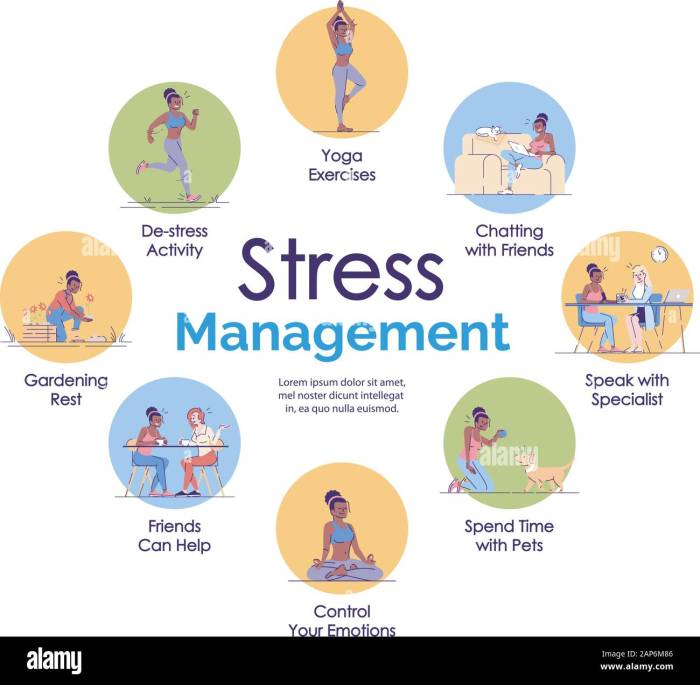
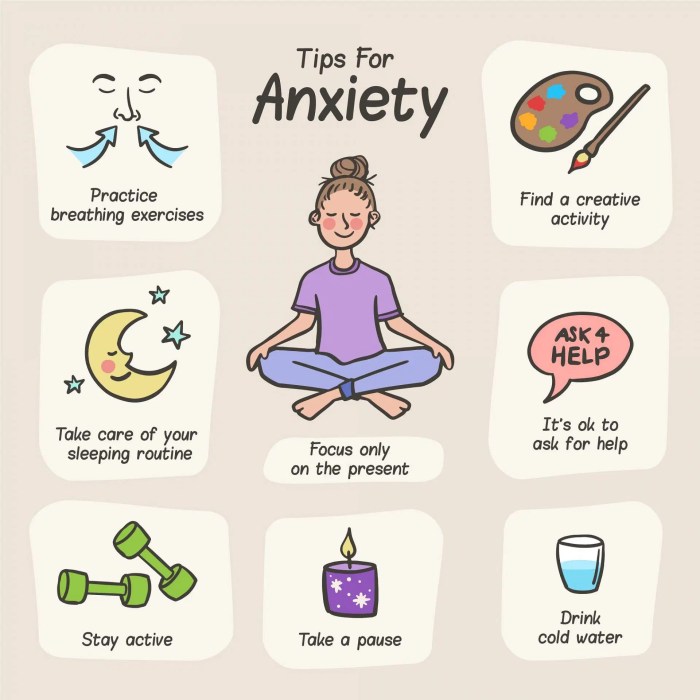
Stress and anxiety are major sleep disruptors. Implementing relaxation techniques before bed can significantly improve sleep quality.
- Deep breathing exercises: Slow, deep breaths can calm the nervous system.
- Progressive muscle relaxation: Systematically tensing and releasing muscle groups can relieve physical tension.
- Mindfulness meditation: Focusing on the present moment can reduce racing thoughts.
- Warm bath or shower: The drop in body temperature after a warm bath can promote sleepiness.
Sample Meal Plan for Restful Sleep
A well-balanced meal plan can contribute to better sleep. The following is a sample plan, and individual needs may vary. Remember to avoid large meals close to bedtime.
Dinner (7:00 PM): Grilled salmon with roasted vegetables (broccoli, sweet potatoes) and a small portion of quinoa. This provides lean protein, complex carbohydrates, and essential vitamins and minerals.
Snack (if needed, 1-2 hours before bed): A small handful of almonds or a banana.
Addressing Underlying Sleep Disorders
Many individuals struggle with sleep, and while lifestyle changes can often help, persistent sleep problems may indicate an underlying sleep disorder. Recognizing these disorders and seeking appropriate treatment is crucial for improving sleep quality and overall health. This section will explore common sleep disorders, their treatment options, and the importance of professional diagnosis.
Identifying Common Sleep Disorders
Several prevalent sleep disorders significantly impact sleep quality and daytime functioning. Insomnia, characterized by difficulty falling asleep, staying asleep, or experiencing non-restorative sleep, is extremely common. Sleep apnea involves pauses in breathing during sleep, leading to fragmented sleep and daytime fatigue. Restless legs syndrome (RLS) causes an irresistible urge to move the legs, often accompanied by uncomfortable sensations, disrupting sleep. These disorders often overlap and can coexist, making accurate diagnosis essential.
Comparing and Contrasting Treatment Options for Sleep Disorders
Treatment approaches vary depending on the specific sleep disorder and its severity. Insomnia may be addressed through cognitive behavioral therapy for insomnia (CBT-I), which helps modify unhelpful sleep habits and thoughts. Relaxation techniques, such as meditation or progressive muscle relaxation, can also be beneficial. For sleep apnea, continuous positive airway pressure (CPAP) therapy, which uses a machine to deliver pressurized air through a mask, is a widely used and effective treatment. Oral appliances or surgery may also be considered in some cases. RLS often responds well to medications that increase dopamine levels or address iron deficiency. Lifestyle modifications, including regular exercise and avoiding caffeine and alcohol before bed, are often recommended for all sleep disorders.
Maintaining a Sleep Diary to Track Sleep Patterns
A sleep diary is a valuable tool for tracking sleep patterns and identifying potential triggers for sleep disturbances. By recording bedtime, wake-up time, total sleep time, time spent awake in bed, and any notable events or activities before bed, individuals can gain valuable insights into their sleep habits. This information is invaluable to both the individual and their doctor in identifying patterns and guiding treatment decisions. A simple sleep diary can include columns for date, bedtime, wake-up time, total sleep time, sleep quality rating (e.g., on a scale of 1-10), and any notes on daytime sleepiness, medications, caffeine intake, or alcohol consumption.
The Role of a Doctor in Diagnosing and Treating Sleep Problems
A physician plays a vital role in diagnosing and managing sleep disorders. They can conduct a thorough evaluation, including a review of medical history, physical examination, and potentially sleep studies (like polysomnography) to identify the underlying cause of sleep problems. They can then recommend appropriate treatment options, monitor progress, and adjust treatment plans as needed. Self-treating sleep disorders can be risky, and professional guidance is essential for optimal outcomes.
Symptoms and Potential Treatments for Common Sleep Disorders
| Disorder | Symptoms | Treatment Options | Doctor Referral |
|---|---|---|---|
| Insomnia | Difficulty falling asleep, staying asleep, or experiencing non-restorative sleep; daytime fatigue | CBT-I, relaxation techniques, sleep hygiene improvements, medication (in some cases) | Recommended if insomnia persists despite lifestyle changes |
| Sleep Apnea | Snoring, pauses in breathing during sleep, daytime sleepiness, morning headaches | CPAP therapy, oral appliances, surgery (in some cases), weight loss | Essential for diagnosis and treatment |
| Restless Legs Syndrome | Uncomfortable sensations in the legs, irresistible urge to move legs, difficulty falling asleep | Dopamine agonists, iron supplements (if deficient), lifestyle changes (regular exercise, avoiding caffeine) | Recommended for diagnosis and management of symptoms |
Last Recap
Mastering the art of sleep management is a personal journey, requiring consistent effort and self-awareness. By diligently implementing these eight strategies, you can significantly improve your sleep quality and reap the numerous benefits of restful slumber. Remember that consistency is key; small, sustainable changes over time will yield the most significant improvements in your sleep health. Prioritize your sleep, and watch your overall well-being flourish.