Navigating the complexities of healthy eating can feel overwhelming, but it doesn’t have to be. This guide provides five actionable tips to simplify your dietary approach, focusing on planning, mindful consumption, and sustainable habits. We’ll explore strategies for meal preparation, mindful eating techniques, and practical solutions for managing cravings, ultimately empowering you to make informed choices that support your well-being.
From creating a balanced weekly meal plan to understanding portion control and the importance of hydration, we’ll break down the essentials of effective diet management. By incorporating these simple yet impactful strategies, you can cultivate a healthier relationship with food and achieve your dietary goals without feeling deprived or overwhelmed.
Planning Your Meals
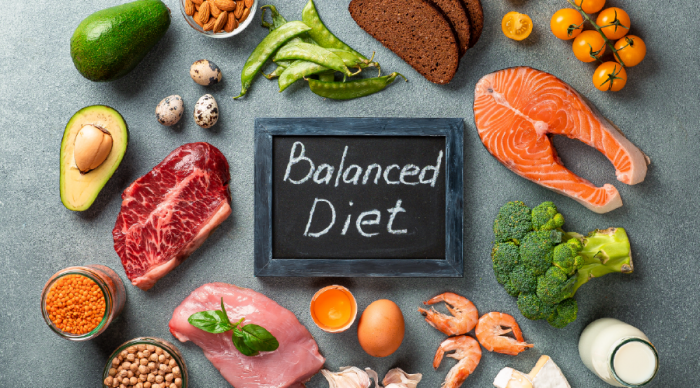
Effective meal planning is crucial for successful diet management. By proactively deciding what you’ll eat, you minimize impulsive unhealthy choices and maximize your intake of nutritious foods. A well-structured meal plan also helps you control portion sizes and track your calorie intake more easily, leading to better weight management and improved overall health.
Sample Weekly Meal Plan
This sample meal plan provides a variety of food groups and aims for balanced nutrition. Remember to adjust portion sizes based on your individual caloric needs and activity levels.
Monday:
Breakfast: Oatmeal (1/2 cup dry oats) with berries (1/2 cup) and nuts (1/4 cup)
Lunch: Salad (2 cups mixed greens) with grilled chicken (4 oz) and a light vinaigrette dressing.
Dinner: Baked salmon (4 oz) with roasted vegetables (1 cup) and quinoa (1/2 cup).
Tuesday:
Breakfast: Scrambled eggs (2) with whole-wheat toast (1 slice) and avocado (1/4).
Lunch: Leftover salmon and vegetables.
Dinner: Lentil soup (1.5 cups) with a side salad.
Wednesday:
Breakfast: Greek yogurt (1 cup) with fruit (1/2 cup) and granola (1/4 cup).
Lunch: Turkey breast sandwich (4 oz turkey) on whole-wheat bread with lettuce and tomato.
Dinner: Chicken stir-fry with brown rice (1/2 cup).
Thursday:
Breakfast: Oatmeal (1/2 cup dry oats) with banana slices and cinnamon.
Lunch: Leftover chicken stir-fry.
Dinner: Vegetarian chili (1.5 cups) with cornbread (1 small piece).
Friday:
Breakfast: Scrambled eggs (2) with spinach and whole-wheat toast (1 slice).
Lunch: Salad with chickpeas (1/2 cup) and feta cheese (1 oz).
Dinner: Pizza with whole-wheat crust, vegetables, and lean protein (chicken or turkey).
Saturday:
Breakfast: Pancakes (2 small) made with whole wheat flour, topped with berries.
Lunch: Leftover pizza.
Dinner: Lean ground beef with sweet potato fries (1 cup) and steamed broccoli (1 cup).
Sunday:
Breakfast: Greek yogurt (1 cup) with berries and a sprinkle of nuts.
Lunch: Chicken Caesar salad (using light dressing).
Dinner: Roasted chicken breast (4 oz) with brown rice and green beans (1 cup).
Breakfast Nutritional Comparison
This table compares the nutritional content of three common breakfast options, serving sizes are approximate and nutritional values can vary depending on specific ingredients and preparation methods.
| Food | Calories | Protein (grams) | Fiber (grams) |
|---|---|---|---|
| Oatmeal (1/2 cup dry oats) | 150-200 | 5-7 | 4-5 |
| Scrambled Eggs (2 large) | 150-180 | 12-14 | 0-1 |
| Greek Yogurt (1 cup plain) | 130-150 | 20-25 | 0-2 |
Meal Prepping Strategies
Effective meal prepping significantly reduces the time spent cooking during the week and helps maintain a healthy diet. Strategies include:
Cooking large batches of grains (quinoa, rice, brown rice) and proteins (chicken, fish, beans) at the beginning of the week. These can be incorporated into various meals throughout the week. Preparing chopped vegetables and storing them in airtight containers saves time when assembling meals.
Another effective strategy is to dedicate a few hours on the weekend to preparing several components of your meals in advance. This could involve washing and chopping vegetables, cooking grains, or portioning out snacks. Having these components ready to go makes assembling quick and healthy meals much easier during busy weekdays.
Consider making large batches of healthy soups, stews, or casseroles. These can be easily reheated and provide a convenient and nutritious meal option. Portioning these into individual containers makes for easy grab-and-go lunches or dinners.
Hydration and Snacking
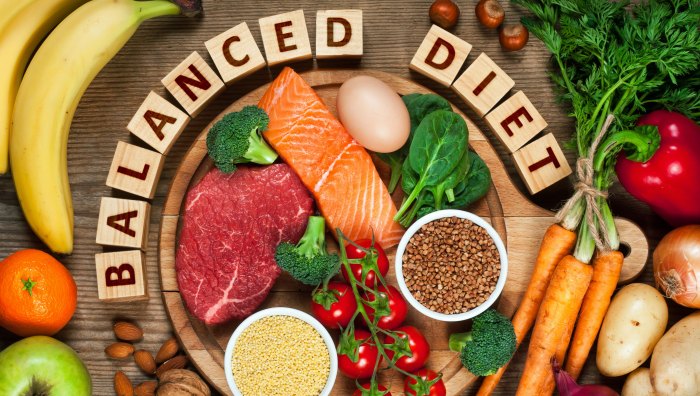
Maintaining proper hydration and choosing healthy snacks are crucial components of effective diet management. These elements work synergistically to support your overall health, energy levels, and weight management goals. Ignoring either can significantly hinder your progress.
Sufficient water intake is essential for numerous bodily functions, from nutrient transport to temperature regulation. Dehydration can lead to fatigue, headaches, and even impaired cognitive function. Conversely, consistently choosing healthy snacks helps prevent overeating during main meals and provides sustained energy throughout the day, reducing the likelihood of unhealthy cravings.
Healthy Alternatives to Sugary Drinks
Sugary drinks are a major source of empty calories, contributing to weight gain and increasing the risk of chronic diseases. Replacing them with healthier alternatives is a simple yet impactful dietary change. Opt for water, infused water (adding slices of cucumber, lemon, or berries), unsweetened tea, or diluted fruit juice. These options provide hydration without the added sugar and calories.
Healthy Snack Ideas
Strategic snacking can be a powerful tool in managing your diet. The key is to choose snacks that are both nutritious and satisfying. Below are five examples, highlighting their nutritional benefits and suitability for different times of the day.
- Morning: Greek Yogurt with Berries: Greek yogurt is a great source of protein, keeping you feeling full and energized. Berries provide antioxidants and natural sweetness. This combination provides sustained energy to kickstart your day.
- Mid-morning: A Handful of Almonds: Almonds are rich in healthy fats, fiber, and protein, promoting satiety and providing sustained energy until lunch. The healthy fats contribute to heart health.
- Afternoon: Apple slices with Peanut Butter: Apples offer fiber, vitamins, and antioxidants. Peanut butter adds protein and healthy fats, creating a balanced snack that helps curb afternoon cravings.
- Late Afternoon: Hard-boiled Egg: A hard-boiled egg is a convenient and protein-packed snack. Protein helps you feel full and satisfied, preventing overeating later in the evening.
- Evening: Air-popped Popcorn: A large bowl of air-popped popcorn is a surprisingly filling and low-calorie snack. It’s a whole-grain option that provides fiber, contributing to satiety and aiding digestion.
Managing Emotional Eating
Emotional eating, triggered by stress, boredom, or other emotions, can disrupt even the most well-planned diets. Recognizing the triggers and developing coping mechanisms are essential for managing cravings. Instead of turning to food for comfort, try engaging in alternative activities like taking a walk, listening to music, practicing mindfulness, or calling a friend. Keeping a food journal can help identify patterns and triggers associated with emotional eating. This self-awareness is the first step toward breaking the cycle.
Mindful Eating and Portion Control

Mindful eating and portion control are crucial components of effective diet management. By paying attention to your body’s signals and understanding appropriate serving sizes, you can cultivate a healthier relationship with food and avoid overconsumption. This section will explore practical techniques for both mindful eating and visual portion estimation.
Mindful eating involves paying close attention to the sensory experience of eating – the taste, texture, smell, and even the sound of your food. It encourages you to eat slowly and savor each bite, rather than rushing through a meal. This heightened awareness helps you recognize your body’s fullness cues, preventing overeating.
Techniques for Practicing Mindful Eating
To practice mindful eating, eliminate distractions like televisions or phones during meals. Choose a quiet setting and focus solely on your food. Chew thoroughly, savoring the flavors and textures. Pay attention to your body’s hunger and fullness signals. If you feel satisfied, stop eating, even if there’s food left on your plate. Regular practice will enhance your ability to recognize subtle cues of hunger and satiety. Consider keeping a food journal to track your eating habits and identify patterns. This can be particularly helpful in pinpointing triggers for emotional or mindless eating.
Visual Estimation of Portion Sizes
Accurately judging portion sizes without measuring tools is a valuable skill for maintaining a healthy diet. Visual cues can help you estimate appropriate amounts. For example, a serving of meat should be about the size of a deck of cards, a cup of pasta is roughly the size of a tennis ball, and a serving of vegetables can be visualized as the size of your fist. Practice regularly comparing your food portions to these visual benchmarks to improve your estimation skills.
Managing Hunger Cues and Avoiding Overeating
Understanding and responding appropriately to hunger cues is essential for preventing overeating. Differentiating between true hunger and emotional or boredom eating is crucial. True hunger typically involves a gradual increase in stomach rumbling and a feeling of emptiness. Emotional eating, on the other hand, is often triggered by stress, sadness, or boredom and may not be accompanied by physical hunger pangs.
| Cue | Potential Cause | Healthy Response | Unhealthy Response |
|---|---|---|---|
| Mild hunger pangs | True physiological hunger | Have a balanced, nutritious snack or meal | Ignore hunger until much later, leading to overeating at the next meal |
| Strong cravings for specific foods | Emotional eating, nutrient deficiency | Identify the underlying emotion and address it; consider if a nutrient deficiency might be the cause. Choose a healthy alternative. | Indulge in the cravings without considering the nutritional value or potential consequences. |
| Feeling full but continuing to eat | Ignoring satiety signals, social pressure | Stop eating when you feel comfortably full, even if there’s food remaining. | Continue eating past the point of fullness, leading to discomfort and potential weight gain. |
| Eating rapidly | Stress, distraction, habit | Slow down your eating pace, savor each bite, and pay attention to your body’s signals. | Continue eating quickly, preventing your body from registering fullness. |
Closing Summary
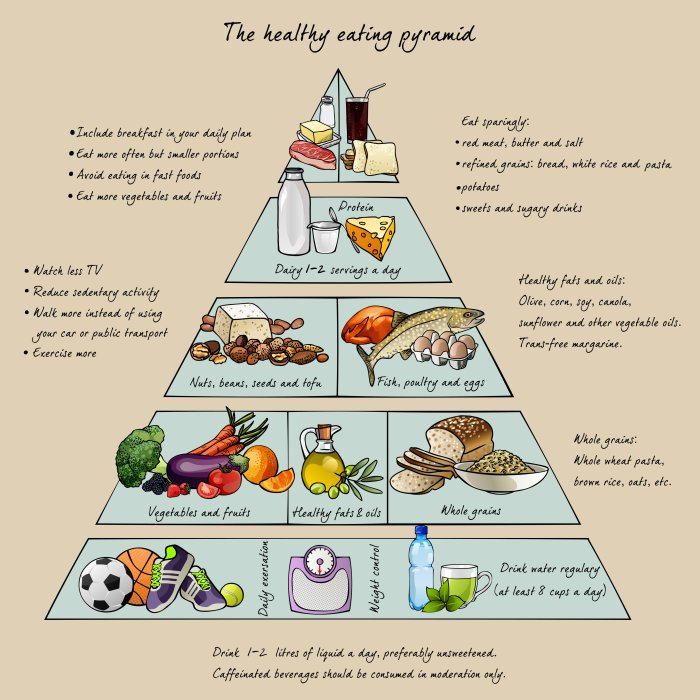
Ultimately, managing your diet effectively is a journey, not a race. By consistently applying these five key tips – meal planning, hydration, mindful eating, portion control, and managing cravings – you’ll build a foundation for sustainable healthy eating habits. Remember that small, consistent changes accumulate over time, leading to significant improvements in your overall well-being. Embrace the process, celebrate your successes, and don’t hesitate to seek support if needed. Your health journey is a personal one, and progress is always worth celebrating.