Juggling academics, extracurricular activities, and a social life can feel overwhelming. Many students find themselves stretched thin, struggling to maintain a healthy balance. This guide offers practical strategies to effectively manage multiple extracurricular commitments, ensuring you thrive both inside and outside the classroom. We’ll explore time management techniques, organizational tools, and strategies for seeking support, empowering you to make the most of your extracurricular experiences without sacrificing your well-being.
From prioritizing tasks using proven methods like the Eisenhower Matrix to leveraging digital tools for efficient scheduling and planning, we’ll provide a comprehensive roadmap for success. Learn how to effectively communicate your commitments, delegate responsibilities within teams, and overcome common challenges faced by students involved in numerous extracurricular activities. This guide provides a framework for creating a sustainable and fulfilling experience.
Prioritization and Time Management Techniques

Juggling extracurricular activities and academic responsibilities can feel overwhelming. Effective time management and prioritization are crucial for success in both areas. By implementing strategies that optimize your schedule and focus your energy, you can significantly reduce stress and improve your overall performance. This section explores various time management techniques and provides a framework for prioritizing your tasks.
Time Management Methods for Balancing Extracurriculars and Academics
Several time management methods can help students balance their commitments. Choosing the right method depends on individual preferences and learning styles. The following table compares popular methods:
| Method | Pros | Cons | Suitability |
|---|---|---|---|
| Time Blocking | Provides structure, helps visualize workload, promotes focus. | Requires meticulous planning, inflexible if unexpected events occur. | Best for highly organized individuals with predictable schedules. |
| Pomodoro Technique | Increases focus during work sessions, incorporates short breaks to prevent burnout. | May not be suitable for tasks requiring extended periods of concentration. | Suitable for tasks requiring focused attention, but not ideal for long projects. |
| Eisenhower Matrix (Urgent/Important) | Prioritizes tasks based on urgency and importance, helps avoid procrastination. | Requires regular evaluation and adjustment of priorities. | Effective for managing diverse tasks with varying levels of urgency and importance. |
| Getting Things Done (GTD) | Comprehensive system for capturing, clarifying, organizing, reflecting on, and engaging with tasks. | Can be complex to implement initially, requires consistent effort to maintain. | Best for individuals with many tasks and projects, seeking a robust system. |
Weekly Schedule Template
A well-structured weekly schedule is essential for managing multiple commitments. The following is a sample template; adapt it to your specific needs:
| Time | Monday | Tuesday | Wednesday | Thursday | Friday | Saturday | Sunday |
|—————|————–|————–|————–|————–|————–|————–|————–|
| 7:00 – 8:00 AM | Wake Up/Prep | Wake Up/Prep | Wake Up/Prep | Wake Up/Prep | Wake Up/Prep | Sleep In | Sleep In |
| 8:00 – 9:00 AM | Study (Math) | Study (History)| Study (Science)| Study (English)| Study (Math) | Personal Time | Personal Time |
| 9:00 – 10:00 AM| Class | Class | Class | Class | Class | Extracurricular| Personal Time |
| 10:00-11:00AM| Class | Class | Class | Class | Class | Extracurricular| Personal Time |
| 11:00-12:00PM| Class | Class | Class | Class | Class | Personal Time | Personal Time |
| 12:00-1:00 PM | Lunch | Lunch | Lunch | Lunch | Lunch | Lunch | Lunch |
| 1:00 – 2:00 PM | Study (Science)| Study (Math) | Study (English)| Study (History)| Study (Science)| Personal Time | Personal Time |
| 2:00 – 3:00 PM | Extracurricular| Class | Class | Class | Class | Personal Time | Personal Time |
| 3:00 – 4:00 PM | Extracurricular| Class | Class | Class | Class | Personal Time | Personal Time |
| 4:00 – 5:00 PM | Personal Time| Personal Time| Personal Time| Personal Time| Personal Time| Personal Time | Personal Time |
| 5:00 – 6:00 PM | Dinner | Dinner | Dinner | Dinner | Dinner | Dinner | Dinner |
| 6:00 – 7:00 PM | Free Time | Free Time | Free Time | Free Time | Free Time | Free Time | Free Time |
| 7:00 – 8:00 PM | Free Time | Free Time | Free Time | Free Time | Free Time | Free Time | Free Time |
| 8:00 – 9:00 PM | Free Time | Free Time | Free Time | Free Time | Free Time | Free Time | Free Time |
| 9:00 – 10:00PM| Bedtime | Bedtime | Bedtime | Bedtime | Bedtime | Bedtime | Bedtime |
To adapt this template, adjust the time slots allocated to study, extracurriculars, and personal time based on your weekly commitments. For instance, a week with a major exam might require more study time, while a week with multiple extracurricular events might need more time allocated to those activities.
Prioritizing Tasks Using the Eisenhower Matrix
The Eisenhower Matrix, also known as the Urgent/Important Matrix, helps prioritize tasks based on their urgency and importance.
1. List all tasks: Write down every task you need to complete.
2. Categorize using the matrix: Plot each task on a 2×2 matrix with quadrants:
* Urgent and Important (Do First): Crises, deadlines, pressing problems.
* Important but Not Urgent (Schedule): Planning, relationship building, prevention.
* Urgent but Not Important (Delegate): Interruptions, some meetings, some emails.
* Neither Urgent nor Important (Eliminate): Time wasters, busywork, trivial tasks.
3. Prioritize and schedule: Focus on the “Urgent and Important” quadrant first. Then schedule tasks from the “Important but Not Urgent” quadrant. Delegate or eliminate tasks from the other two quadrants.
Example: An upcoming exam (Urgent & Important), planning a project for next month (Important but Not Urgent), responding to non-critical emails (Urgent but Not Important), and browsing social media (Neither Urgent nor Important).
Effective Planning and Organization Strategies

Juggling multiple extracurricular activities requires a strategic approach to planning and organization. Effective strategies ensure you can dedicate sufficient time and energy to each commitment, preventing burnout and maximizing your experience. This involves proactive planning, the use of appropriate organizational tools, and a smart approach to task management.
Successful participation in multiple extracurricular activities hinges on meticulous planning and the consistent use of organizational tools. This section will explore effective strategies, including creating detailed checklists, utilizing various organizational tools, and implementing task breakdown techniques. By adopting these methods, you can significantly improve your ability to manage your time and commitments effectively.
Checklist for Effective Planning
A comprehensive checklist ensures no detail is overlooked when planning participation in multiple extracurricular activities. Following a structured approach minimizes the chances of conflicts and missed deadlines. This checklist offers a framework that can be adapted to suit individual needs and specific extracurricular activities.
- Identify all commitments: List every extracurricular activity, including practices, rehearsals, performances, meetings, and deadlines.
- Determine time requirements: Estimate the time needed for each activity, considering travel time and preparation.
- Create a master schedule: Use a calendar or planner to visually represent all commitments, highlighting potential scheduling conflicts.
- Prioritize activities: Identify which activities are most important and require the most attention.
- Allocate specific time slots: Assign dedicated time blocks for each activity in your schedule, ensuring sufficient time for each commitment.
- Build in buffer time: Include extra time for unexpected delays or unforeseen circumstances.
- Regularly review and adjust: Periodically review your schedule and make necessary adjustments as needed, adapting to changing circumstances.
- Communicate with others: Inform coaches, teachers, and team members about your schedule to avoid conflicts and ensure effective collaboration.
Organizational Tools for Extracurricular Activities
Various organizational tools can greatly assist in managing multiple extracurricular activities. The choice depends on individual preferences and the complexity of scheduling needs. Digital calendars, planners, and to-do lists each offer unique advantages.
Digital Calendars (e.g., Google Calendar, Outlook Calendar): These offer a visual representation of your schedule, allowing you to see all commitments at a glance. You can input specific events, set reminders, and share your calendar with others. For example, you might input “Debate Club Meeting – Tuesday 6:00 PM – School Library” into your Google Calendar, with a reminder set for 5:45 PM. The color-coding feature can be used to differentiate between different activities, making it easy to identify potential scheduling conflicts.
Planners (e.g., physical paper planners, digital planners): These provide a more detailed view of your daily or weekly schedule, allowing you to jot down notes and tasks. A physical planner allows for handwritten notes and a tangible record of your schedule, while a digital planner offers flexibility and easy accessibility. You might use a planner to list specific tasks for a school play, such as “costume fitting – Thursday 3 PM,” alongside scheduled rehearsals.
To-Do Lists (e.g., simple notepads, apps like Todoist, Any.do): These are useful for tracking smaller tasks associated with each extracurricular activity. For example, you could create a to-do list for your upcoming science fair project including tasks like “research topic,” “gather materials,” and “write report.” These lists can be categorized by activity, making it easy to stay organized and track progress.
Breaking Down Large Projects into Smaller Tasks
Breaking down large projects into smaller, manageable tasks simplifies the process and reduces feelings of being overwhelmed. This approach allows for better time management and a sense of accomplishment as each smaller task is completed.
Consider a hypothetical school play production of “Hamlet.” Instead of focusing on the daunting task of “producing the play,” the project can be divided into smaller, more manageable tasks. These could include:
- Casting and auditions: Scheduling auditions, reviewing applications, and assigning roles.
- Set design and construction: Creating set designs, sourcing materials, and constructing sets.
- Costume design and creation: Designing costumes, sourcing materials, and creating or altering costumes.
- Rehearsals: Scheduling and conducting regular rehearsals, focusing on specific scenes or aspects of the play.
- Marketing and promotion: Designing posters, creating flyers, and promoting the play to the school community.
- Technical aspects: Lighting design, sound design, and stage management.
- Program creation: Designing and printing programs for the audience.
- Post-production: Strike the set, return costumes, and thank all participants.
By tackling these smaller tasks systematically, the overall production process becomes far less overwhelming and more achievable.
Seeking Support and Maintaining Balance
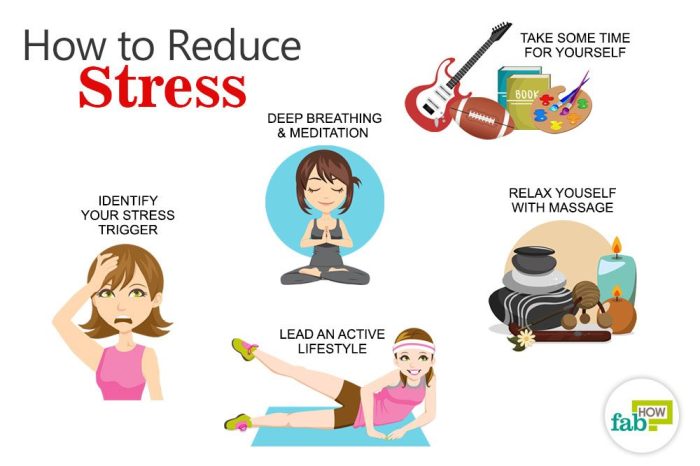
Juggling multiple extracurricular activities requires more than just efficient time management; it necessitates a strong support network and a conscious effort to maintain a healthy equilibrium in your life. Open communication and proactive problem-solving are key to navigating the challenges of a busy schedule and achieving success in all your endeavors. Effective strategies for managing your commitments and avoiding burnout involve clear communication with key individuals and proactive planning to mitigate potential conflicts.
Successfully managing multiple extracurricular activities hinges on effective communication with teachers, family, and friends. Keeping everyone informed about your commitments allows them to offer support and understanding, minimizing potential conflicts and misunderstandings.
Communicating Commitments to Key Individuals
Open and honest communication is crucial. For example, proactively inform your teachers about your extracurricular commitments at the beginning of the school year or when taking on a new activity. This allows them to work with you on deadlines and assignments, providing flexibility where possible. Similarly, keeping your family and friends informed about your schedule helps them understand your availability and prevents unexpected conflicts. Regularly update them on your progress and any potential challenges you face, fostering a supportive environment where they can offer assistance. A shared calendar, accessible to all relevant parties, can be a valuable tool for coordinating schedules and ensuring everyone is on the same page. This promotes transparency and allows for collaborative problem-solving.
Challenges in Managing Multiple Extracurriculars and Solutions
Managing multiple extracurriculars can present several challenges. Addressing these proactively minimizes stress and maximizes your chances of success.
- Challenge: Time Conflicts between activities and academic work.
- Solution: Develop a detailed schedule using a planner or calendar app to visualize your commitments and identify potential overlaps. Prioritize tasks based on deadlines and importance. Communicate with teachers to discuss potential adjustments to assignment deadlines if necessary.
- Challenge: Feeling overwhelmed and experiencing burnout.
- Solution: Schedule regular breaks and downtime to recharge. Prioritize self-care activities like exercise, healthy eating, and sufficient sleep. Learn to say “no” to additional commitments if your plate is already full. Seek support from friends, family, or a counselor if needed.
- Challenge: Difficulty maintaining academic performance while participating in extracurriculars.
- Solution: Utilize time management techniques like the Pomodoro Technique to improve focus and productivity. Seek tutoring or extra help from teachers if needed. Prioritize academic tasks based on deadlines and importance. Consider adjusting the number of extracurriculars to maintain a manageable workload.
- Challenge: Lack of support from family or friends.
- Solution: Openly communicate your needs and expectations. Explain the importance of your extracurricular activities and how their support can contribute to your success. Involve them in your activities, if possible, to foster understanding and appreciation.
Delegating Tasks in Team Settings
Effective teamwork is essential for managing extracurricular projects. Clear communication, defined roles, and delegated responsibilities contribute to a successful outcome.
For example, in a school drama production, responsibilities could be divided as follows: one student manages props, another handles costumes, a third focuses on set design, and a fourth coordinates publicity. Regular team meetings, using a shared online platform like Google Docs or a project management tool, allow for collaborative planning, progress updates, and efficient problem-solving. Each member should have a clearly defined role with specific tasks and deadlines. This ensures accountability and minimizes confusion. Open communication channels, such as a group chat or regular meetings, enable team members to support each other and address challenges promptly. This approach fosters a sense of shared responsibility and contributes to a positive and productive team dynamic.
Final Thoughts

Successfully navigating the world of extracurricular activities requires a proactive and organized approach. By implementing the strategies Artikeld in this guide—from mastering time management techniques and utilizing effective planning tools to fostering strong communication and seeking support—you can transform the potential for stress into opportunities for growth and accomplishment. Remember that finding the right balance is an ongoing process; adapt these strategies to fit your unique needs and celebrate your achievements along the way. Embrace the challenge and enjoy the enriching experiences that extracurricular activities offer.