Managing a home effectively while staying within budget can feel like a constant juggling act. This guide offers practical strategies to navigate the complexities of homeownership without sacrificing comfort or financial stability. We’ll explore budgeting techniques, smart shopping habits, efficient resource management, and cost-effective maintenance solutions, equipping you with the tools to create a financially sound and comfortable home environment.
From creating a detailed monthly budget that prioritizes essential expenses to implementing savvy shopping strategies and employing DIY home repair techniques, we provide actionable steps to achieve significant savings. This comprehensive approach will empower you to make informed decisions, reduce unnecessary spending, and take control of your household finances.
Budgeting and Prioritization
Effective home management hinges on a well-structured budget and a prioritized approach to maintenance. Failing to plan financially can lead to unexpected expenses and financial strain, while neglecting essential repairs can result in larger, more costly problems down the line. This section details strategies for creating a comprehensive budget and prioritizing home maintenance tasks for optimal cost-effectiveness.
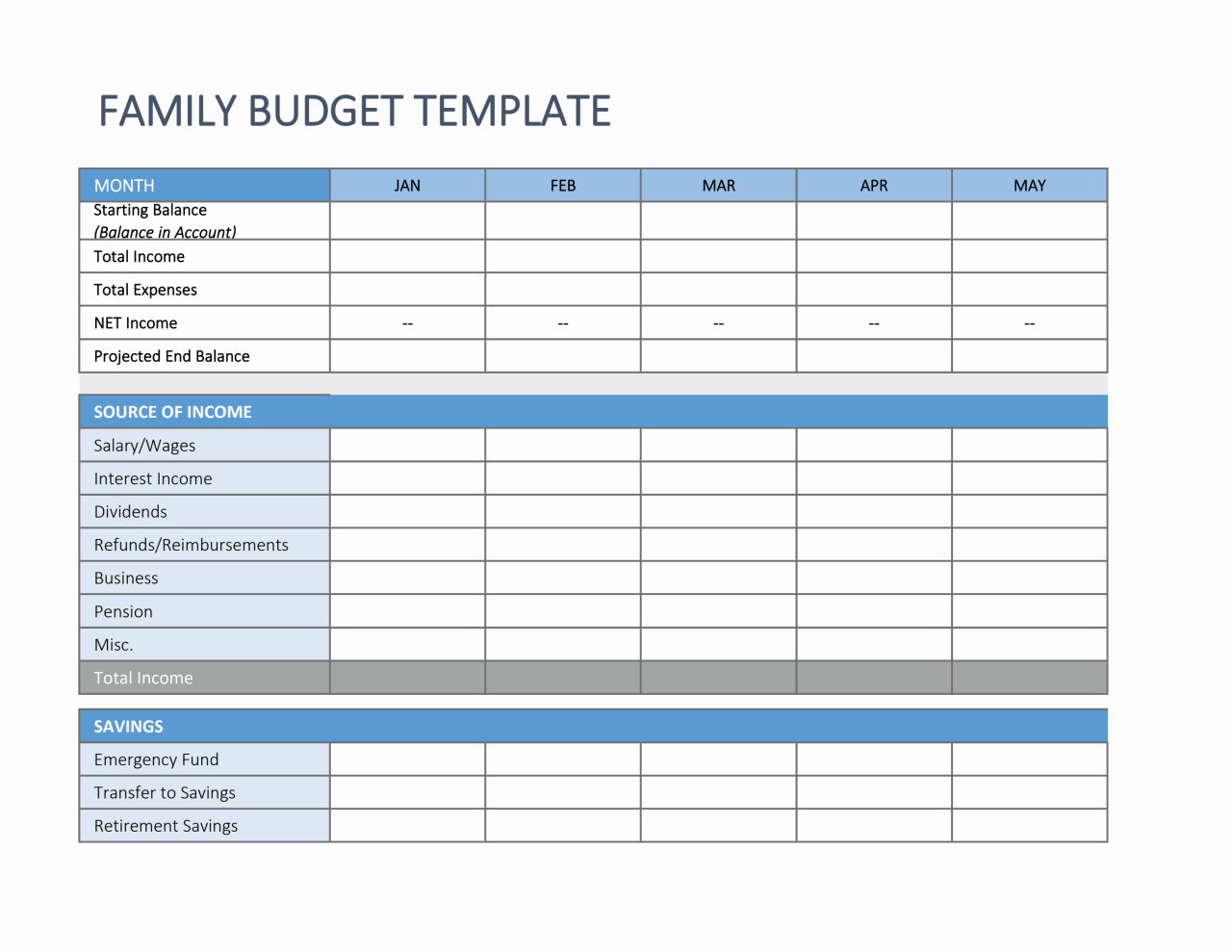
Creating a detailed monthly budget is the cornerstone of responsible home management. This involves meticulously tracking all income and expenses related to your home. This allows for a clear picture of your financial situation and helps identify areas where savings can be made.
Monthly Budget Creation
Begin by listing all sources of monthly income. This includes salaries, rental income, and any other regular financial inflows. Next, categorize your expenses. Essential categories include utilities (electricity, water, gas, internet, phone), mortgage or rent payments, groceries, transportation, home maintenance (repairs, cleaning supplies), and discretionary spending (entertainment, dining out). Utilize a spreadsheet or budgeting app to input this data. Regularly review and update your budget to reflect any changes in income or expenses. Aim for a realistic budget that accounts for both expected and potential unexpected costs. For example, you might allocate a small amount each month to a home repair fund to cover unforeseen maintenance issues. A sample budget might allocate 30% to housing, 20% to groceries and essentials, 10% to transportation, 10% to savings, and 30% to discretionary spending and debt repayment. The percentages will vary depending on your individual circumstances.
Prioritizing Home Maintenance
Prioritizing home maintenance tasks involves assessing the urgency and cost-effectiveness of each repair or maintenance need. A simple spreadsheet can be used to list all tasks, their estimated cost, and their urgency (e.g., immediate, short-term, long-term). Tasks should be categorized by severity and potential consequences of delay. For example, a leaky roof (immediate) takes precedence over repainting a wall (long-term). This system allows you to allocate your resources effectively, tackling critical issues first while planning for less urgent tasks. A visual chart, such as a Kanban board, could also be utilized to visualize the workflow of home maintenance projects.
Budgeting Method Comparison
Several budgeting methods can be applied to home management. The 50/30/20 rule suggests allocating 50% of your income to needs (housing, utilities, groceries), 30% to wants (entertainment, dining out), and 20% to savings and debt repayment. Zero-based budgeting requires starting from zero each month and allocating every dollar to a specific category. The best method depends on individual financial goals and habits. For example, the 50/30/20 rule provides a simple framework for beginners, while zero-based budgeting offers greater control over spending for those who prefer a more detailed approach.
Utility Cost Reduction Strategies
Reducing utility costs is crucial for effective home budget management. Simple changes can significantly impact your monthly bills. For instance, switching to energy-efficient light bulbs (LEDs) can drastically reduce electricity consumption. Regularly servicing your heating and cooling systems ensures optimal efficiency and prevents costly repairs. Lowering your thermostat by a few degrees in winter and raising it in summer can also save on energy costs. Similarly, taking shorter showers, fixing leaky faucets, and installing low-flow showerheads can conserve water and reduce water bills. Regularly checking for and sealing air leaks around windows and doors can significantly reduce energy loss. Consider using smart thermostats that can automatically adjust temperatures based on your schedule and occupancy. These small changes, when implemented consistently, can lead to substantial savings over time.
Smart Shopping and Resource Management

Managing your home on a budget often hinges on making smart choices about spending and resource utilization. This section explores practical strategies to reduce household expenses and minimize waste, ultimately contributing to significant long-term savings. By implementing these techniques, you can effectively control your spending and create a more sustainable home environment.
Grocery Savings Strategies
Effective grocery shopping requires planning and discipline. Meal planning, for example, allows you to create a shopping list based on your planned meals, preventing impulse purchases. This approach minimizes food waste and ensures you only buy what you need. Utilizing coupons and loyalty programs from grocery stores can also result in substantial savings over time. Look for discounts on items you regularly use and compare unit prices to find the best value. Finally, buying in bulk can be cost-effective for non-perishable items you use frequently, but only if you have the storage space and will use them before they expire. Careful consideration of shelf life is key when employing this strategy.
Waste Reduction and Resource Conservation
Reducing waste and conserving resources directly translates to lower utility bills. Water conservation can be achieved through simple changes, such as shorter showers, fixing leaky faucets promptly, and installing low-flow showerheads and toilets. Energy conservation involves switching to energy-efficient light bulbs (LEDs), unplugging electronics when not in use, and properly insulating your home to reduce heating and cooling costs. Food waste reduction can be accomplished by properly storing food, using leftovers creatively, and composting food scraps. These small changes accumulate into significant savings over time.
Cost-Effective Home Maintenance and Repair
Regular home maintenance is crucial for preventing costly repairs down the line. Many minor repairs are manageable through DIY solutions. A simple online search can provide tutorials and instructions for common household fixes, from unclogging drains to patching drywall. For more complex repairs, obtaining multiple quotes from local handymen or contractors ensures you find competitive pricing. Websites and apps that connect homeowners with local service professionals often provide user reviews and ratings, helping you choose reliable and affordable options. Consider building a network of trusted local professionals for future needs.
Effective Price Comparison for Home Goods and Services
Before purchasing any major home good or service, it’s crucial to compare prices across multiple retailers and providers. Websites such as Google Shopping, PriceGrabber, and others aggregate prices from various online stores, allowing for easy comparison. For services, request multiple quotes and compare not only the price but also the scope of work, warranties, and customer reviews. By taking the time to compare prices, you can often find significant savings, ensuring you get the best value for your money. Remember to factor in shipping costs and any additional fees when comparing online prices.
Home Maintenance and Repairs
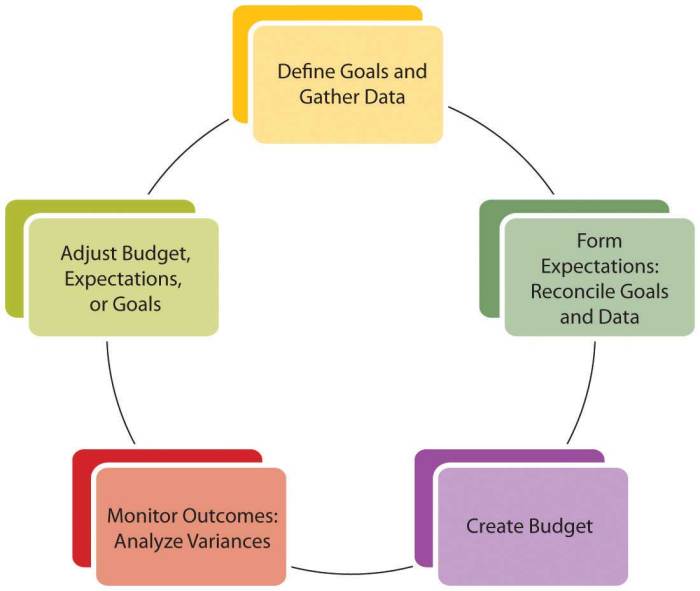
Maintaining your home effectively is crucial for preserving its value and avoiding costly repairs down the line. A proactive approach to home maintenance, combined with the ability to handle minor repairs yourself, can significantly reduce your overall homeownership expenses. This section will guide you through creating a preventative maintenance plan, handling simple repairs, and finding reliable contractors when necessary.
Preventative Home Maintenance Plan
A well-structured preventative maintenance plan is the cornerstone of cost-effective homeownership. This involves regularly inspecting and performing minor tasks to prevent larger, more expensive problems from developing. The following schedule and checklist provide a framework you can adapt to your specific home and climate.
Yearly Schedule:
- Spring: Inspect roof for damage, clean gutters and downspouts, check for pest infestations, inspect and clean air conditioning system.
- Summer: Inspect exterior paint for peeling or damage, check foundation for cracks, clean windows and screens, inspect and maintain lawn equipment.
- Autumn: Inspect and clean heating system, winterize outdoor faucets and pipes, inspect and clean fireplace and chimney, rake leaves and clean gutters.
- Winter: Check for ice dams on roof, inspect insulation in attic, check for drafts around windows and doors, ensure sump pump is functioning.
Monthly Checklist:
- Check smoke and carbon monoxide detectors.
- Inspect plumbing for leaks.
- Check for water damage in basement or crawl space.
- Test garbage disposal (if applicable).
Simple Home Repairs
Many common household repairs can be tackled with basic tools and a little know-how, saving you the cost of hiring a professional. Remember to always prioritize safety by turning off power to electrical components before working on them and using appropriate safety equipment like gloves and eye protection.
Examples of DIY Repairs:
- Replacing a faucet: This involves turning off the water supply, disconnecting the old faucet, and installing the new one, following the manufacturer’s instructions.
- Fixing a leaky faucet: Often a simple fix involving tightening a loose screw or replacing a worn-out washer.
- Patching drywall: Small holes can be easily patched using drywall compound and sandpaper.
- Unclogging a drain: Using a plunger or drain snake can often resolve minor clogs.
Finding Reliable and Affordable Contractors
For more complex repairs, hiring a qualified contractor is necessary. Thorough research and due diligence are crucial to finding a reliable and reasonably priced professional.
Steps to Finding a Contractor:
- Ask for referrals: Friends, family, and neighbors can be valuable sources of recommendations.
- Check online reviews: Websites like Yelp, Angie’s List, and HomeAdvisor offer reviews and ratings of contractors.
- Get multiple estimates: Compare prices and services offered by different contractors.
- Verify licenses and insurance: Ensure the contractor is properly licensed and insured to protect yourself from liability.
- Negotiate prices: Don’t be afraid to negotiate for a better price, especially if you have multiple estimates.
Home Improvement Material Comparison
Choosing cost-effective materials is key to managing your budget. The lifespan of a material often correlates with its initial cost; higher-quality materials may have a longer lifespan, reducing the need for frequent replacements.
| Material | Cost (Estimate) | Lifespan (Years) | Notes |
|---|---|---|---|
| Laminate Flooring | $2-$5 per sq ft | 10-15 | Durable, affordable option; susceptible to water damage. |
| Hardwood Flooring | $5-$15 per sq ft | 25+ | Classic, high-value option; requires more maintenance. |
| Interior Paint (High-Quality) | $30-$50 per gallon | 5-10 | Better quality generally lasts longer and requires fewer coats. |
| Refrigerator (Mid-Range) | $800-$1500 | 10-15 | Energy efficiency ratings significantly impact long-term costs. |
Wrap-Up
By implementing these four key strategies – budgeting and prioritization, smart shopping and resource management, proactive home maintenance, and strategic repair planning – you can effectively manage your home while adhering to your budget. Remember that consistent effort and mindful decision-making are crucial for long-term success. Taking a proactive approach to your home’s financial well-being will not only save you money but also contribute to a more comfortable and secure living environment.