Mastering household management can feel overwhelming, a constant juggling act between cleaning, organizing, budgeting, and family life. This guide offers a practical, step-by-step approach to transforming your home into a haven of efficiency and tranquility. We’ll explore effective strategies for decluttering, implementing a streamlined cleaning routine, and creating a household budget that works for you, all while minimizing stress and maximizing your time.
From conquering cluttered closets to developing a sustainable cleaning schedule, this comprehensive resource provides actionable tips and tools to streamline every aspect of your home life. Learn how to leverage time management techniques, delegate tasks effectively, and cultivate a more organized and harmonious living space. Discover the secrets to a more efficient, stress-free home environment.
Decluttering and Organizing Your Home
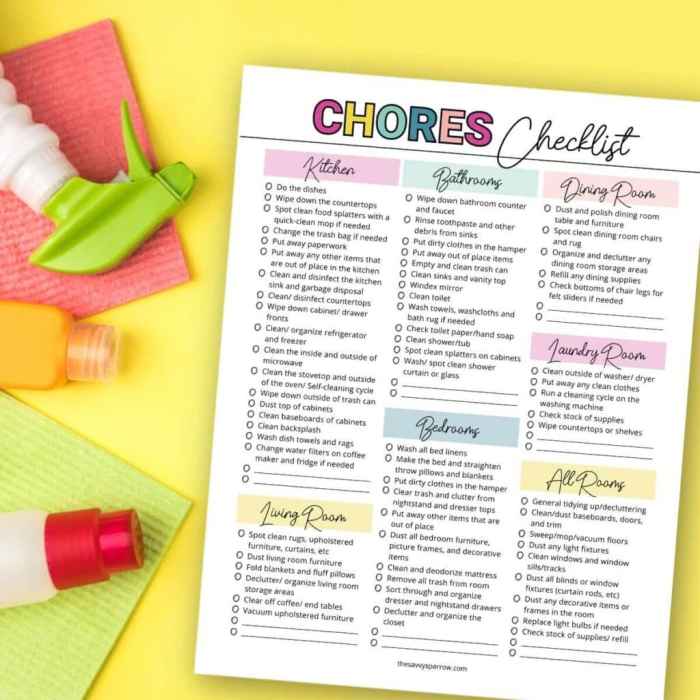
A clutter-free home contributes significantly to a more peaceful and productive lifestyle. This section provides a practical, step-by-step approach to decluttering and organizing your three-bedroom house, along with strategies for managing both physical and digital items. We will cover efficient methods, time management techniques, and various storage solutions to help you create a more organized living space.
A Step-by-Step Decluttering Plan for a Three-Bedroom House
Effective decluttering requires a systematic approach. This plan focuses on manageable chunks of work to prevent overwhelm and ensure consistent progress. We’ll break down the process room by room, focusing on efficient methods and incorporating time management strategies.
- Week 1: Master Bedroom and Closet: Begin with the master bedroom, focusing on one area at a time. Start with the closet, removing all items. Categorize items into keep, donate, and trash piles. Clean the closet thoroughly before returning only the “keep” items. Repeat this process for the rest of the bedroom, including drawers and nightstands.
- Week 2: Guest Bedroom and Closet: Follow the same process as Week 1 for the guest bedroom and closet. If you have a spare room, allocate time to declutter it as well.
- Week 3: Children’s Bedroom(s) and Closets: Repeat the process for the children’s bedroom(s), involving children in age-appropriate tasks to foster responsibility. Focus on decluttering toys, clothes, and other items.
- Week 4: Common Areas: Declutter living room, dining room, kitchen, and bathrooms. Focus on surfaces, cabinets, and drawers. Pay special attention to areas that tend to accumulate clutter.
- Ongoing Maintenance: After the initial decluttering, establish a routine for regular maintenance to prevent future clutter buildup. This could involve a 15-minute decluttering session once a week or a larger decluttering session once a month.
Organizing Closets and Drawers Using Various Storage Solutions
Proper storage solutions are key to maintaining an organized home. Different storage options cater to various needs and preferences. Choosing the right solution maximizes space and keeps items easily accessible.
| Storage Option | Pros | Cons | Best Use Cases |
|---|---|---|---|
| Bins (Plastic, Fabric) | Stackable, versatile, inexpensive | Can be bulky, may not be visually appealing | Storing seasonal clothing, blankets, toys |
| Shelves (Wire, Wooden) | Increased vertical space, customizable | Can be expensive, may require assembly | Organizing books, shoes, folded clothes |
| Drawer Dividers | Maximize drawer space, keeps items organized | Can be expensive, may not fit all drawers | Organizing underwear, socks, accessories |
| Vacuum-Sealed Bags | Space-saving, ideal for bulky items | Requires a vacuum sealer, items need to be dry | Storing blankets, comforters, seasonal clothing |
Managing Paperwork and Digital Files
Effective management of both physical and digital files is crucial for minimizing clutter and maintaining efficiency. A systematic approach ensures easy retrieval of important documents while minimizing the physical footprint of paper.
For paperwork, consider a filing system with clearly labeled folders. Digitally scan important documents and store them securely in the cloud or on an external hard drive. Shred or recycle unnecessary paperwork regularly. For digital files, utilize a cloud storage service for backups and organization. Create a clear folder structure and regularly delete or archive unnecessary files.
Donating or Selling Unwanted Items Responsibly
Donating or selling unwanted items not only declutters your home but also contributes to sustainability and potentially generates income. Consider donating to local charities, thrift stores, or shelters. For valuable items, online marketplaces or consignment shops offer avenues for selling. Ensure items are clean and in good condition before donating or selling. Research reputable organizations to ensure your donations are handled responsibly.
Efficient Cleaning and Maintenance

Maintaining a clean and well-maintained home is crucial for both hygiene and the longevity of your belongings. A systematic approach to cleaning and preventative maintenance can significantly reduce stress and extend the life of your appliances and home systems. This section details effective strategies for both regular cleaning and proactive maintenance.
Weekly Cleaning Schedule
A consistent weekly cleaning schedule ensures that tasks don’t pile up and become overwhelming. This schedule provides a framework; adjust it to suit your lifestyle and home size.
- Monday: Bathrooms – Clean toilets, sinks, showers/tubs, and floors. Wipe down countertops and mirrors.
- Tuesday: Kitchen – Clean countertops, sink, stovetop, and microwave. Load and unload the dishwasher. Sweep or vacuum the floor.
- Wednesday: Living Areas – Dust furniture, vacuum or mop floors, and tidy up clutter. Empty trash cans.
- Thursday: Bedrooms – Make beds, tidy up, dust furniture, and vacuum or mop floors.
- Friday: Quick Clean – A light clean of high-traffic areas, such as kitchen counters and bathroom sinks. Spot clean as needed.
- Weekend: Deep Cleaning – Tackle larger tasks like cleaning windows, washing bedding, and cleaning out the refrigerator.
Cleaning Methods and Products for Various Surfaces
Choosing the right cleaning method and products is essential for effective cleaning and preventing damage to surfaces.
Hardwood Floors: Sweep or vacuum regularly to remove loose dirt and debris. Use a damp (not wet) mop with a hardwood floor cleaner or a solution of mild dish soap and water. Avoid excessive moisture, which can damage the wood.
Granite Countertops: Wipe up spills immediately. Clean with a gentle cleaner specifically designed for granite or a solution of warm water and mild dish soap. Avoid abrasive cleaners and scouring pads.
Stainless Steel Appliances: Use a soft cloth and a non-abrasive cleaner designed for stainless steel. Wipe in the direction of the grain to avoid streaks. Avoid harsh chemicals.
Preventative Maintenance for Appliances and Systems
Regular preventative maintenance extends the lifespan of your appliances and home systems, preventing costly repairs.
| Appliance/System | Maintenance Task | Frequency | Tips |
|---|---|---|---|
| HVAC System | Change air filters | Every 1-3 months | Use the correct filter size and type for your system. |
| Refrigerator | Clean condenser coils | Twice a year | Unplug the refrigerator before cleaning. |
| Dishwasher | Clean the filter | Monthly | Remove food particles and debris from the filter. |
| Washing Machine | Clean the drum and dispenser | Quarterly | Run a cleaning cycle with a washing machine cleaner. |
| Plumbing | Check for leaks | Monthly | Look for signs of water damage, such as stains or mold. |
DIY All-Purpose Cleaning Solution
Creating your own all-purpose cleaner is cost-effective and environmentally friendly.
This recipe provides a versatile cleaner for most surfaces. Always test on a small, inconspicuous area first.
2 cups of water
1/4 cup white vinegar
1 tablespoon baking soda
10-15 drops of your favorite essential oil (optional)
Combine all ingredients in a spray bottle and shake well. Use as needed on various surfaces, avoiding delicate materials.
Time Management and Household Budgeting

Effective time management and a well-structured household budget are crucial for maintaining a smoothly functioning home. These two elements work synergistically; efficient time management can lead to cost savings, while a clear budget helps prioritize tasks and allocate resources effectively. This section will explore practical strategies for integrating household chores into your daily life and creating a manageable household budget.
Creating a Weekly Household Schedule
A well-designed weekly schedule helps allocate time for both household chores and personal responsibilities. Consider using a planner, digital calendar, or even a whiteboard to visually represent your schedule. The key is to integrate household tasks strategically, avoiding overwhelming yourself with too much at once. For example, dedicate specific days for laundry, grocery shopping, or meal preparation. Block out time for work, family activities, and personal time, ensuring a balance between responsibilities and relaxation. Flexibility is key; unforeseen events may require adjustments to your schedule. Consider using time-blocking techniques, allocating specific time slots for particular tasks. This helps you prioritize and stay on track. For example, allocate 30 minutes each evening to tidy up the kitchen, or schedule an hour on Saturday morning for vacuuming.
Developing a Household Budget Template
A detailed household budget provides a clear picture of your income and expenses, allowing for informed financial decisions. The following table provides a template for categorizing expenses and tracking spending:
| Category | Budget Allocation | Actual Spending | Difference |
|---|---|---|---|
| Groceries | $500 | $450 | $50 |
| Utilities (Electricity, Water, Gas) | $200 | $220 | -$20 |
| Housing (Mortgage/Rent) | $1500 | $1500 | $0 |
| Transportation | $100 | $90 | $10 |
| Cleaning Supplies | $50 | $45 | $5 |
| Entertainment | $100 | $120 | -$20 |
| Savings | $300 | $300 | $0 |
Regularly reviewing and adjusting your budget based on actual spending is essential. This allows you to identify areas where you can cut back or reallocate funds. Using budgeting apps or spreadsheets can simplify the process.
Strategies for Saving Time and Money
Numerous strategies can help save both time and money on household tasks. For example, meal planning reduces grocery waste and cooking time. Preparing larger batches of meals on the weekend and freezing portions for future use saves time during the week. Using reusable cleaning cloths instead of disposable wipes reduces waste and long-term costs. Batching similar tasks together—such as laundry or errands—improves efficiency. For instance, doing all laundry on one day instead of spreading it throughout the week saves time and energy. Prioritizing tasks based on importance and urgency helps manage time effectively.
Delegating Household Chores
Effectively delegating household chores among family members fosters a sense of shared responsibility and reduces the burden on any single individual. Begin by creating a chore chart that assigns age-appropriate tasks to each family member. Regularly review and adjust the chart as needed to ensure fairness and accommodate changes in schedules or abilities. Involving children in age-appropriate chores teaches them valuable life skills and promotes teamwork. Consider using a points system or reward chart to incentivize participation. Open communication and clear expectations are crucial for successful delegation. Regular family meetings to discuss household responsibilities can help prevent conflicts and ensure everyone feels valued and involved.
Ending Remarks

By implementing the strategies Artikeld in this ultimate guide, you’ll not only achieve a cleaner, more organized home but also cultivate a more balanced and fulfilling lifestyle. From decluttering and efficient cleaning to mindful budgeting and effective time management, the journey to a well-managed household is a rewarding one. Embrace the principles of this guide and unlock the potential for a more peaceful and productive home life. Remember, a well-organized home contributes to a well-organized life.