Our minds are a whirlwind of activity, a constant stream of thoughts that can uplift or overwhelm. Learning to manage this internal landscape is crucial for mental well-being and overall success. This guide provides six practical tips to help you navigate the complexities of your thoughts, fostering a more peaceful and productive life. We’ll explore techniques to identify and challenge negative thought patterns, incorporate mindfulness into your daily routine, and build resilience against mental stressors.
From understanding common cognitive distortions to implementing effective mindfulness practices, we’ll equip you with the tools to cultivate a healthier relationship with your inner world. This isn’t about silencing your thoughts, but rather about gaining control over them, learning to observe and manage them effectively, and ultimately enhancing your emotional intelligence and overall sense of well-being.
Understanding Your Thought Patterns
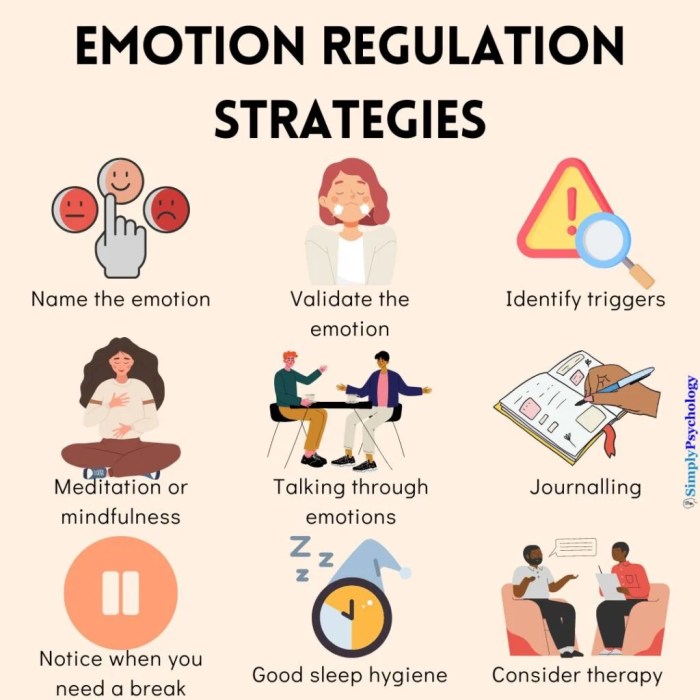
Effective thought management begins with understanding how your mind works. Recognizing recurring thought patterns and their impact on your well-being is crucial for developing strategies to manage them effectively. This involves identifying both helpful and unhelpful thought patterns and learning to challenge those that hinder your progress.
Common Thought Patterns Hindering Effective Management
Many common thought patterns can impede effective thought management. These patterns often operate unconsciously, subtly influencing our perceptions and reactions. For example, all-or-nothing thinking (viewing situations in extremes, black and white), overgeneralization (drawing broad conclusions from single incidents), and catastrophizing (expecting the worst possible outcome) are frequently encountered. Similarly, mental filtering (focusing only on negative aspects while ignoring positives), and personalization (taking responsibility for events outside one’s control) can significantly impact mental well-being. These patterns create a cycle of negativity, making it challenging to maintain a positive and balanced perspective.
The Impact of Negative Self-Talk on Mental Well-being
Negative self-talk, a relentless stream of self-criticism and pessimism, significantly impacts mental well-being. It erodes self-esteem, fuels anxiety and depression, and hinders personal growth. Constant negative self-evaluation can lead to feelings of inadequacy, helplessness, and a diminished sense of self-worth. This internal dialogue, often characterized by harsh judgments and unrealistic expectations, can become a self-fulfilling prophecy, creating a vicious cycle of negativity and self-doubt. For instance, repeatedly telling oneself “I’m a failure” can lead to avoidance of challenges and decreased motivation, ultimately reinforcing the negative belief.
Strategies for Identifying and Challenging Negative Thoughts
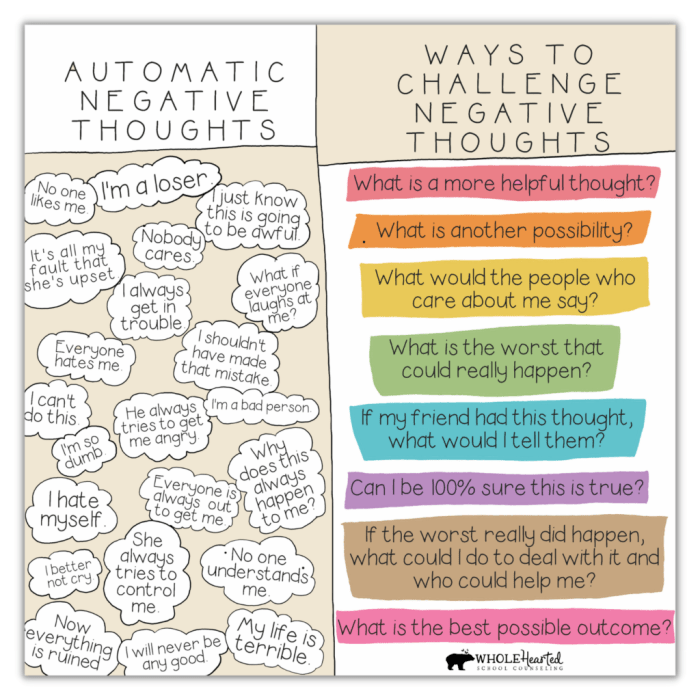
Identifying and challenging negative thoughts is a crucial step in improving mental well-being. One effective strategy is to become more mindful of your thoughts. Regularly pause and observe your internal dialogue without judgment. Keep a thought journal to track recurring negative thoughts, noting the situations that trigger them and their associated emotions. Once identified, challenge the validity of these thoughts. Ask yourself: Is this thought truly accurate? What evidence supports it? What evidence contradicts it? Consider alternative perspectives, focusing on more balanced and realistic interpretations of events. This process of cognitive restructuring helps to replace negative thoughts with more constructive and helpful ones.
Examples of Cognitive Distortions and How to Reframe Them
Cognitive distortions are systematic errors in thinking that contribute to negative emotions and maladaptive behaviors. For example, “jumping to conclusions” involves assuming the worst without sufficient evidence. Instead of assuming a friend is angry because they haven’t responded to a text, consider alternative explanations – they may be busy, their phone might be dead, or they simply haven’t seen the message yet. Another common distortion is “magnification,” exaggerating the significance of negative events while minimizing positive ones. If you make a mistake at work, instead of focusing on the potential consequences, acknowledge the error, learn from it, and focus on your successes in other areas. Reframing involves actively challenging these distortions and replacing them with more balanced and rational interpretations.
Comparison of Rational and Irrational Thought Patterns
| Rational Thought Pattern | Irrational Thought Pattern | Example (Rational) | Example (Irrational) |
|---|---|---|---|
| Realistic assessment of situations | Catastrophizing | “I made a mistake on the presentation, but I can learn from it and improve next time.” | “I made a mistake on the presentation; I’m a complete failure and will never succeed.” |
| Balanced perspective; considering multiple viewpoints | All-or-nothing thinking | “My performance was good in some areas, but I can improve in others.” | “My performance was terrible; everything I did was a failure.” |
| Acceptance of imperfections and setbacks | Overgeneralization | “I didn’t get the job this time, but I’ll keep applying and improving my skills.” | “I didn’t get the job; I’ll never get a job.” |
| Focus on controllable aspects | Personalization | “The project delay wasn’t entirely my fault; there were external factors involved.” | “The project is delayed; it’s all my fault; I’m incompetent.” |
Practical Techniques for Thought Management

Managing your thoughts effectively requires a proactive approach, incorporating practical techniques to cultivate present moment awareness and reshape negative thought patterns. This involves employing mindfulness strategies, leveraging the benefits of meditation and deep breathing, utilizing journaling as a self-reflective tool, and structuring your day to prioritize mental well-being. Finally, learning to actively challenge and restructure negative thought patterns is crucial for long-term mental health.
Mindfulness Techniques for Present Moment Awareness
Mindfulness practices cultivate awareness of the present moment, reducing the power of rumination and worry. These techniques help to anchor you in the “here and now,” preventing your mind from wandering into unproductive thought patterns. Regular practice enhances focus and reduces stress.
Benefits of Meditation and Deep Breathing Exercises
Meditation and deep breathing exercises are powerful tools for calming the mind and reducing stress. Meditation involves focusing on a single point of attention, such as your breath or a mantra, to quiet the mental chatter. Deep breathing techniques, such as diaphragmatic breathing, slow down your heart rate and promote relaxation, allowing for a greater sense of calm and control. Studies have shown that regular meditation can reduce symptoms of anxiety and depression. For example, a study published in JAMA Internal Medicine found that mindfulness meditation reduced symptoms of depression and anxiety in participants.
Journaling to Process and Understand Thoughts
Journaling provides a valuable outlet for processing thoughts and emotions. By writing down your thoughts and feelings, you can gain a clearer understanding of your internal world and identify recurring patterns or triggers. This process of externalizing your thoughts can help you to gain perspective and reduce their intensity. For instance, regularly writing about a stressful situation can help you process the emotions associated with it and develop more effective coping strategies.
Sample Daily Schedule Incorporating Mindfulness Practices
A daily schedule incorporating mindfulness can significantly enhance mental well-being. A sample schedule might include:
- 7:00 AM: 5 minutes of deep breathing exercises upon waking.
- 8:00 AM: 10 minutes of meditation before starting work.
- 12:00 PM: 5 minutes of mindful eating during lunch, focusing on the taste, texture, and smell of your food.
- 5:00 PM: 10-15 minutes of mindful walking after work, paying attention to your physical sensations.
- 9:00 PM: 5 minutes of journaling before bed, reflecting on the day.
This is a sample schedule; adjust it to fit your individual needs and preferences. The key is to incorporate consistent mindfulness practices throughout the day.
Cognitive Restructuring: A Step-by-Step Guide
Cognitive restructuring is a technique used to identify and challenge negative or unhelpful thought patterns. This involves systematically replacing these thoughts with more balanced and realistic ones. The process involves several steps:
- Identify negative thoughts: Pay attention to your thoughts and identify those that are negative, unhelpful, or unrealistic.
- Challenge the negative thoughts: Ask yourself if there is evidence to support these thoughts. Are there alternative explanations? What would you tell a friend who had the same thoughts?
- Develop more balanced thoughts: Replace the negative thoughts with more balanced and realistic ones. These thoughts should be based on evidence and reflect a more accurate assessment of the situation.
- Practice the new thoughts: Regularly practice thinking these new thoughts to reinforce them and make them a habit.
For example, if you have the thought “I’m going to fail this presentation,” you might challenge it by asking yourself, “What evidence do I have that I will fail? Have I prepared well? Have I successfully given presentations in the past?” You might then replace the negative thought with a more balanced one, such as “I’ve prepared well, and while there’s always some uncertainty, I am confident in my ability to deliver a good presentation.”
Integrating Thought Management into Daily Life

Successfully managing thoughts isn’t a one-time event; it’s an ongoing practice that needs to be integrated into your daily routine for lasting impact. Consistent effort is key to building resilience and developing automatic responses to challenging situations. This section Artikels practical strategies for incorporating thought management into various aspects of your life.
To effectively manage thoughts, particularly during stressful situations, a proactive approach is essential. This involves anticipating potential triggers and preparing strategies to navigate them. It’s about building mental muscle memory for handling difficult emotions and thoughts.
Actionable Steps for Managing Thoughts in Stressful Situations
The following steps provide a structured approach to managing thoughts when faced with stress. Consistency in practicing these techniques is vital for developing effective coping mechanisms.
- Identify the trigger: Pinpoint the specific event or thought that is causing stress. For example, if a work deadline is causing anxiety, acknowledge that deadline as the trigger.
- Recognize the thought pattern: Identify the type of negative thinking involved (e.g., catastrophizing, overgeneralization). For instance, “I’ll never meet this deadline” is an example of catastrophizing.
- Challenge the thought: Question the validity of the negative thought. Ask yourself: Is this thought truly realistic? What evidence supports it? What evidence contradicts it? For the deadline example, you might ask: “Have I met deadlines before? What resources can I utilize to help me?”
- Reframe the thought: Replace the negative thought with a more balanced and realistic one. Instead of “I’ll never meet this deadline,” try “This deadline is challenging, but I have the skills and resources to manage it effectively.”
- Practice mindfulness: Focus on the present moment through deep breathing or meditation to calm your mind and reduce anxiety. Even a few minutes of mindful breathing can make a significant difference.
- Engage in self-compassion: Treat yourself with kindness and understanding. Acknowledge that it’s okay to feel stressed, and avoid self-criticism.
Applying Thought Management Techniques in Various Contexts
The techniques discussed above can be adapted to various life situations. Understanding how to apply them consistently across different contexts is crucial for long-term effectiveness.
- Work: Use these techniques to manage stress related to deadlines, difficult colleagues, or demanding projects. For example, if a colleague’s criticism triggers negative self-talk, challenge those thoughts and focus on your accomplishments.
- Relationships: Apply these techniques to navigate conflicts, misunderstandings, or difficult conversations. If a disagreement with a partner leads to negative thoughts, use reframing to address the situation constructively.
- Personal Life: Utilize these techniques to manage stress related to personal challenges, such as health concerns, financial worries, or family issues. If a health concern triggers anxiety, focus on the steps you’re taking to address it and avoid catastrophizing.
Visual Representation of Thoughts and Feelings
A mind map can effectively illustrate the interconnectedness of thoughts and feelings. This visual representation helps in understanding the impact of thoughts on emotional states.
Central Idea: Stressful Situation (e.g., Public Speaking)
Branch 1: Thoughts
– “I’ll make a fool of myself.”
– “Everyone will judge me.”
– “I’m not prepared enough.”Branch 2: Feelings
– Anxiety
– Fear
– Self-doubtBranch 3: Physical Sensations
– Rapid heartbeat
– Sweaty palms
– ShakingBranch 4: Actions (Coping Mechanisms)
– Deep breathing exercises
– Positive self-talk
– Visualization
Comparison of Stress Management Techniques
Various techniques exist for managing stress. Comparing their effectiveness helps in choosing the most suitable approach for individual needs.
| Technique | Description | Effectiveness | Limitations |
|---|---|---|---|
| Mindfulness | Paying attention to the present moment without judgment. | Highly effective for reducing anxiety and improving emotional regulation. | Requires practice and commitment. |
| Cognitive Behavioral Therapy (CBT) | Identifying and changing negative thought patterns. | Effective for managing various mental health conditions, including anxiety and depression. | Requires professional guidance and may take time. |
| Exercise | Physical activity that releases endorphins and reduces stress hormones. | Effective for reducing stress, improving mood, and promoting overall well-being. | May not be suitable for everyone, especially those with physical limitations. |
Building Resilience to Negative Thought Patterns
Building resilience involves developing coping mechanisms to overcome negative thought patterns. This is an ongoing process requiring consistent effort and self-awareness.
Resilience is built through consistent practice of thought management techniques, coupled with self-compassion and a focus on self-care. Regular mindfulness practices, engaging in activities you enjoy, and maintaining strong social connections are all crucial components. Furthermore, seeking professional support when needed is a sign of strength, not weakness. By actively working to challenge negative thoughts and build positive coping strategies, individuals can significantly increase their resilience over time and reduce the impact of negative thought patterns on their overall well-being.
Summary
Mastering the art of thought management is a journey, not a destination. By consistently applying the strategies Artikeld in this guide – from identifying negative self-talk to practicing mindfulness and cognitive restructuring – you can cultivate a more positive and balanced inner world. Remember that self-compassion is key; be patient with yourself as you develop these skills. The rewards of a calmer, more focused mind are well worth the effort, leading to improved mental health, stronger relationships, and a greater sense of personal fulfillment.