Navigating the world of property investment can feel daunting, but with a strategic approach, it can be a rewarding venture. This guide offers eight key strategies to effectively manage your property investments, from meticulous due diligence and securing appropriate financing to adept tenant management and proactive maintenance. We’ll explore practical steps to minimize risks, maximize returns, and build a successful portfolio.
Understanding the intricacies of property investment requires a balanced perspective. This guide aims to provide you with the knowledge and tools necessary to make informed decisions, ultimately leading to long-term success and financial stability. We will cover essential aspects like property selection, financial planning, tenant relations, and maintenance strategies, equipping you to navigate the challenges and opportunities of this dynamic market.
Due Diligence and Property Selection

Selecting the right property is paramount to successful real estate investment. Thorough due diligence minimizes risk and maximizes returns. This involves a comprehensive evaluation of the property’s financial viability, considering various factors beyond just the asking price. A systematic approach ensures informed decision-making.
Financial Viability Checklist
A robust financial analysis is crucial before committing to a property purchase. This checklist helps evaluate the property’s potential for profit.
- Property Price and Financing: Determine the purchase price, down payment required, and the total cost of financing (interest rates, loan terms, closing costs). Calculate your monthly mortgage payments and compare them to potential rental income.
- Rental Market Research: Analyze comparable rental properties in the area to establish realistic rental rates. Consider factors like property size, amenities, and market demand. Utilize online resources and local real estate agents to gather data.
- Rental Income Projections: Estimate annual rental income based on your market research. Account for potential vacancy periods (typically 5-10%).
- Operating Expenses: Project annual operating expenses, including property taxes, insurance, maintenance, repairs, and property management fees. These can vary significantly based on property type and location.
- Capital Expenditures (CAPEX): Identify potential major repairs or renovations needed in the near future (e.g., roof replacement, HVAC system upgrades). Factor these costs into your financial projections.
- Cash Flow Analysis: Calculate your net operating income (NOI) by subtracting operating expenses from your annual rental income. Then, subtract your annual debt service (mortgage payments) to determine your annual cash flow.
- Return on Investment (ROI): Calculate your ROI to assess the profitability of the investment. A higher ROI indicates a more attractive investment opportunity. This calculation considers your initial investment, annual cash flow, and potential appreciation.
- Location Analysis: Research the property’s location, considering factors such as crime rates, school districts, proximity to amenities, and future development plans. A desirable location typically commands higher rents and faster appreciation.
Comparative Analysis of Property Types
Different property types offer unique advantages and disadvantages. The optimal choice depends on your investment goals, risk tolerance, and financial resources.
| Property Type | Advantages | Disadvantages | Investment Considerations |
|---|---|---|---|
| Single-Family Home | Relatively low entry cost, easier management, potential for appreciation. | Lower rental income compared to multi-family, higher vacancy risk. | Focus on location, condition, and potential for appreciation. |
| Multi-Family Unit (Duplex, Triplex, etc.) | Higher rental income, potential for economies of scale, diversification of risk. | Higher management responsibilities, potentially higher initial investment. | Evaluate tenant screening processes, consider property management services. |
| Commercial Property | High potential for rental income, longer-term leases, potential for significant appreciation. | Higher initial investment, complex management, higher risk. | Thorough market research is essential, consider long-term lease agreements. |
Property Inspections and Professional Assessments
A thorough inspection is vital to uncover potential problems before purchasing a property. This includes structural integrity, plumbing, electrical systems, and HVAC. Professional assessments, such as pest inspections, appraisal reports, and environmental assessments, provide objective evaluations and mitigate risks associated with hidden defects or environmental hazards. For example, a structural engineer’s report can highlight potential foundation issues, saving you from costly repairs down the line. Similarly, a pest inspection can reveal termite damage, which could significantly impact the property’s value and habitability. Neglecting these inspections can lead to significant financial losses post-purchase.
Financing and Capital Management

Securing the necessary funding and effectively managing your capital are critical aspects of successful property investment. This section Artikels strategies for financing your acquisitions, budgeting for ongoing expenses, and employing various approaches to capital preservation and growth. Understanding these elements is crucial for maximizing returns and mitigating risk.
Effective financial management in real estate hinges on a robust understanding of financing options and a disciplined approach to budgeting and expense control. Careful planning and execution in these areas can significantly impact the overall profitability and longevity of your investment portfolio.
Securing Financing for Property Investments
Several avenues exist for securing financing for property investments, each with its own advantages and disadvantages. Mortgages represent the most common method, offering relatively stable and predictable repayment schedules. Private loans can offer flexibility but often come with higher interest rates. Partnerships allow for pooling resources and sharing risk, potentially unlocking access to larger investments.
- Mortgages: Typically offered by banks and other lending institutions, mortgages are secured loans using the property itself as collateral. Interest rates vary depending on factors like credit score, loan-to-value ratio (LTV), and prevailing market interest rates. A realistic example might be a 30-year fixed-rate mortgage at 6-7% interest, with a 20% down payment required.
- Private Loans: These loans are obtained from private individuals or companies, often offering more flexibility in terms of loan structure and repayment schedules. However, interest rates are generally higher than mortgages, sometimes reaching 8-12% or more, depending on the risk assessment of the lender and the borrower. These loans may require a shorter repayment period.
- Partnerships: Partnering with other investors allows for leveraging pooled capital to acquire larger or more expensive properties. Partnerships require careful legal agreements to define ownership stakes, responsibilities, and profit-sharing arrangements. The success of a partnership hinges heavily on the trust and synergy between partners.
Budgeting and Managing Property Expenses
A detailed budget is essential for effectively managing the expenses associated with property investment. This budget should encompass all foreseeable costs, including property taxes, insurance premiums, maintenance and repairs, potential vacancy periods, and property management fees (if applicable). Regularly reviewing and adjusting the budget based on actual expenses is crucial for maintaining financial health.
- Property Taxes: These vary significantly by location and assessed property value. It’s crucial to factor in annual property tax payments when projecting expenses.
- Insurance: Comprehensive insurance coverage is necessary to protect against unforeseen events like fire, theft, or liability claims. Costs vary depending on the property’s location, value, and coverage level.
- Maintenance and Repairs: Set aside a dedicated fund for routine maintenance and unexpected repairs. This fund should account for both minor and major repairs, and a contingency for unforeseen circumstances. A rule of thumb is to budget 1-2% of the property value annually for maintenance.
- Vacancy: Factor in potential periods of vacancy, particularly if renting out the property. This could range from 5-10% of potential rental income annually, depending on market conditions and the property’s location.
Capital Preservation and Growth Strategies
Real estate investment offers several avenues for capital preservation and growth. Leveraging appreciation in property value, generating rental income, and utilizing tax advantages are key strategies.
- Leveraging Appreciation: Property values tend to appreciate over time, particularly in desirable locations. This appreciation represents a significant source of capital growth.
- Rental Income: Generating consistent rental income provides a steady stream of cash flow, helping to cover expenses and build equity. Rental income can be reinvested to further accelerate capital growth.
- Tax Advantages: Various tax deductions and incentives are available to real estate investors, such as depreciation deductions, mortgage interest deductions, and capital gains tax deferrals. These tax advantages can significantly enhance overall returns.
Tenant Management and Property Maintenance

Effective tenant management and proactive property maintenance are crucial for maximizing the return on your property investments. Neglecting either aspect can lead to decreased rental income, increased repair costs, and legal complications. A well-defined strategy encompassing both tenant screening and a preventative maintenance schedule is essential for long-term success.
Tenant Screening Process
A thorough tenant screening process significantly reduces the risk of problematic tenants. This involves a multi-step approach designed to assess a prospective tenant’s financial stability, rental history, and overall suitability for the property. The goal is to identify responsible individuals who are likely to pay rent on time and respect the property.
- Application Review: Initial screening involves reviewing the rental application for completeness and accuracy. This includes verifying contact information, employment history, and previous addresses.
- Credit Report Check: A credit report provides insights into a tenant’s financial responsibility. Look for a consistent payment history and a manageable debt-to-income ratio. A low credit score might indicate a higher risk of late rent payments.
- Background Check: A background check helps uncover any criminal history that might pose a risk to the property or other tenants. This check should be conducted in compliance with all relevant fair housing laws.
- Reference Verification: Contacting previous landlords or employers can provide valuable information about the tenant’s rental history and work ethic. Ask specific questions about rent payments, property damage, and overall tenant behavior.
Tenant Issue Management
Handling tenant issues efficiently and fairly is vital for maintaining positive tenant relationships and avoiding legal disputes. Establishing clear communication channels and well-defined procedures is key.
- Rent Collection: Implement a consistent and convenient rent collection system, such as online payment portals or automated bank transfers. Establish clear late payment policies and procedures, including late fees and potential eviction processes.
- Lease Violations: Address lease violations promptly and consistently. Document all violations and provide tenants with written notices outlining the issue and required corrective actions. Escalate violations according to a predefined process, culminating in potential eviction if necessary.
- Repairs and Maintenance: Establish a clear process for handling tenant repair requests. Respond promptly to requests, assess the urgency, and arrange for timely repairs. Maintain detailed records of all repairs and maintenance activities.
- Evictions and Legal Recourse: Eviction should be a last resort, but it is essential to understand the legal procedures in your jurisdiction. Consult with legal counsel to ensure compliance with all relevant laws and regulations.
Preventative Maintenance Schedule
Preventative maintenance is a cost-effective strategy that extends the lifespan of your property and minimizes the risk of costly repairs. Regular inspections and scheduled maintenance help identify and address minor issues before they escalate into major problems.
- HVAC System: Annual inspection and cleaning of air filters, coils, and ducts. Professional servicing every 2-3 years.
- Plumbing System: Annual inspection of pipes, faucets, toilets, and drains. Regular flushing of water heaters to remove sediment. Replace worn-out components as needed.
- Electrical System: Annual inspection of electrical panels, wiring, and outlets. Testing of GFCI outlets. Replace any damaged or outdated components.
- Roofing: Annual inspection for leaks, damage, and missing shingles. Professional inspection and repairs every 5-7 years.
- Appliances: Regular cleaning and maintenance according to manufacturer’s recommendations. Professional servicing as needed.
Epilogue
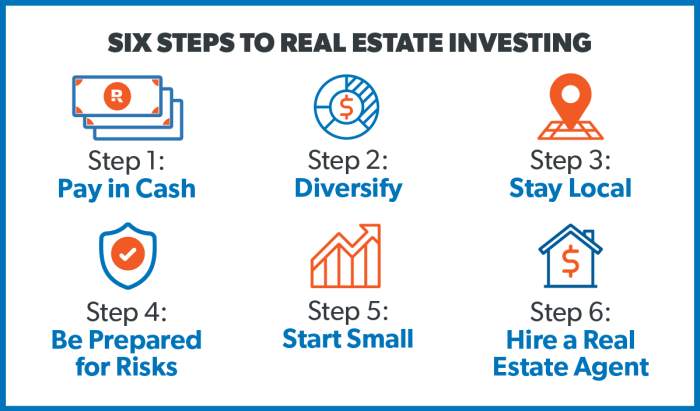
Successfully managing property investments hinges on a proactive and well-informed approach. By diligently performing due diligence, securing sound financing, effectively managing tenants, and implementing a robust maintenance plan, you can significantly increase your chances of achieving your investment goals. Remember, consistent effort, strategic planning, and a commitment to learning are crucial for long-term success in this dynamic field. This guide provides a strong foundation, but continuous learning and adaptation are essential to thriving in the ever-evolving world of real estate.