Embarking on a journey shouldn’t come at the expense of our planet. Sustainable travel, while demanding mindful planning, offers a rewarding experience, allowing us to explore the world while minimizing our environmental impact. This guide provides five practical tips to help you navigate responsible tourism, ensuring both a memorable trip and a healthier planet.
From choosing eco-friendly transportation and accommodation to reducing your waste and embracing responsible wildlife encounters, we’ll explore strategies to make your adventures more sustainable. We’ll delve into the specifics of carbon footprints, the benefits of supporting local communities, and practical steps you can take to lighten your travel’s environmental burden. Let’s discover how to travel responsibly and leave a positive mark on the world.
Sustainable Transportation Choices
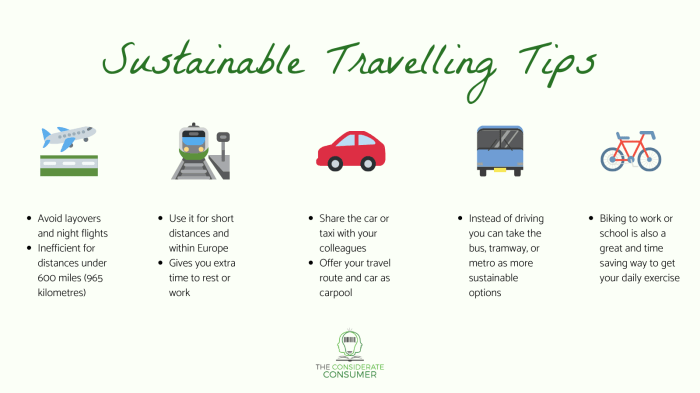
Choosing sustainable transportation is crucial for minimizing the environmental impact of travel. Different modes of transportation have vastly different carbon footprints, and understanding these differences is key to making informed decisions. This section will explore the environmental impact of various travel options and offer strategies for minimizing your carbon footprint while traveling.
Transportation Modes and their CO2 Emissions
The environmental impact of transportation is largely determined by the amount of greenhouse gases, primarily carbon dioxide (CO2), emitted per passenger-mile. Air travel, for instance, is significantly more carbon-intensive than train travel due to the high fuel consumption of airplanes. Conversely, cycling or walking produce minimal emissions. The following table provides a comparison of CO2 emissions for different modes of transportation. Note that these figures are approximate and can vary based on factors such as vehicle type, occupancy rate, and distance traveled.
| Transportation Mode | CO2 Emissions (kg/passenger-mile) | Cost (Approximate) | Travel Time (Approximate) |
|---|---|---|---|
| Airplane | 0.2 – 0.3 | £100-£500+ | 1-6 hours (depending on distance) |
| Train | 0.04 – 0.1 | £30-£150 | 2-8 hours (depending on distance) |
| Bus | 0.05 – 0.15 | £10-£50 | 4-12 hours (depending on distance) |
| Car (average occupancy) | 0.15 – 0.25 | £50-£150 (fuel and tolls) | 3-10 hours (depending on distance) |
| Bicycle | ~0 | £0 | Highly variable depending on distance and terrain |
Carbon Offsetting Programs for Air Travel
Air travel is a significant contributor to greenhouse gas emissions. While reducing air travel is the most impactful action, carbon offsetting programs offer a way to partially compensate for the emissions generated by flights. These programs invest in projects that reduce greenhouse gas emissions elsewhere, such as reforestation or renewable energy initiatives. However, it’s crucial to carefully evaluate carbon offsetting programs for their credibility and effectiveness. Look for programs that are certified by reputable organizations and provide transparent reporting on their impact. Some programs may overestimate their impact or lack transparency, so thorough research is essential before choosing a program. The effectiveness of carbon offsetting is a subject of ongoing debate, and it should not be seen as a replacement for reducing travel overall.
Sustainable Travel Itinerary: London to Paris
A trip from London to Paris provides an excellent example of prioritizing sustainable transportation. Instead of flying, consider taking the Eurostar train. The Eurostar is a high-speed train that connects London St. Pancras International to Paris Gare du Nord, offering a comfortable and environmentally friendly alternative to air travel. The journey takes approximately 2 hours and 15 minutes, significantly less time than many flights considering airport transfers. The train’s lower carbon emissions compared to flying make it a more sustainable choice. Once in Paris, utilizing public transportation like the Metro and bus system, or cycling, will further reduce your carbon footprint. Walking is also an excellent option for exploring the city’s many attractions. This itinerary demonstrates how choosing sustainable transportation options can significantly reduce the environmental impact of a journey while still providing a convenient and enjoyable travel experience.
Eco-Friendly Accommodation and Activities
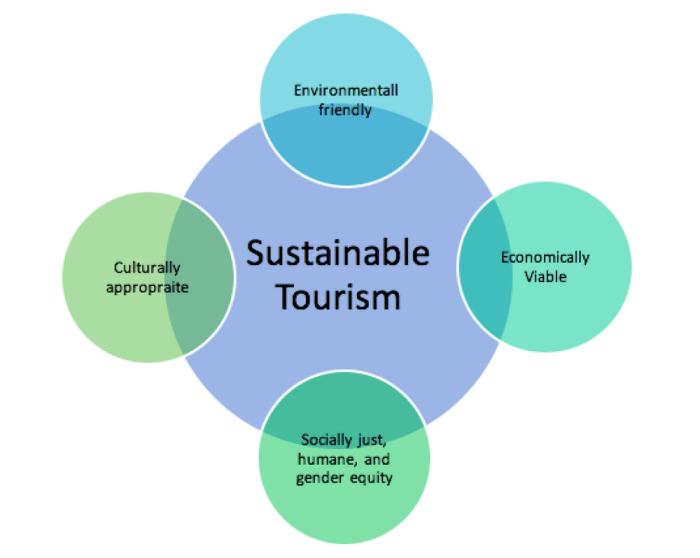
Choosing sustainable accommodation and engaging in eco-conscious activities are crucial for minimizing your travel’s environmental footprint. By making thoughtful choices, you can contribute to the preservation of natural resources and support local communities while enjoying a fulfilling travel experience. This section explores how to select eco-friendly options and engage in activities that respect both the environment and local cultures.
Eco-lodges and sustainable hotels are increasingly popular, offering travelers a chance to stay in comfort while minimizing their impact. These establishments often implement various environmental practices, reducing their carbon footprint and promoting responsible tourism. Choosing locally owned accommodations provides additional benefits, boosting the local economy and fostering a more authentic cultural experience.
Examples of Eco-Lodges and Sustainable Hotels and Their Practices
Many hotels and lodges globally are committed to sustainability. For example, the “Pacuare River Lodge” in Costa Rica is renowned for its remote location, accessible only by horseback or raft, minimizing its carbon footprint. Their commitment extends to using renewable energy sources, employing local staff, and supporting community development projects. Similarly, “The Brando” in French Polynesia, while luxurious, prioritizes environmental sustainability through solar power, water conservation techniques, and a commitment to reducing waste. These examples highlight how high-end accommodations can successfully integrate eco-friendly practices without compromising guest comfort.
Benefits of Locally Owned Accommodations and Community Tourism
Opting for locally owned accommodations directly supports the local economy, fostering job creation and economic growth within the community. It also provides a more authentic travel experience, as you interact directly with the people and culture of the region. This contrasts with large international hotel chains, where profits often flow out of the local community. Supporting community tourism helps preserve local traditions and livelihoods, contributing to a more sustainable and equitable tourism model. For example, staying in a family-run guesthouse in a small village offers a more immersive experience and provides direct financial support to the family, strengthening the local community.
Environmentally Conscious Activities for Cultural Immersion
Choosing activities that minimize environmental impact is vital for sustainable travel. Prioritizing activities that reduce carbon emissions and protect natural habitats enhances the overall travel experience.
The following activities offer a blend of cultural immersion and environmental consciousness:
- Hiking and trekking: Explore natural landscapes on foot, reducing reliance on motorized transport and offering a more intimate connection with nature.
- Cycling tours: Explore towns and countryside on two wheels, a sustainable and healthy alternative to car or bus tours.
- Cultural walking tours: Discover local history, architecture, and traditions through guided walks, fostering a deeper understanding of the community.
- Cooking classes using local ingredients: Learn to prepare traditional dishes, supporting local farmers and experiencing the culinary culture firsthand.
- Visiting local markets and artisan workshops: Support local producers and artisans, contributing to the local economy and learning about traditional crafts.
Responsible Wildlife Tourism Practices
Responsible wildlife tourism prioritizes the well-being of animals and their habitats. It avoids practices that cause stress, harm, or exploitation of wildlife.
Ethical practices include:
- Choosing wildlife sanctuaries and reserves that prioritize animal welfare and conservation.
- Maintaining a respectful distance from animals and avoiding any interaction that could disrupt their natural behavior.
- Supporting tour operators committed to sustainable practices and responsible wildlife viewing.
- Refusing to participate in activities that exploit or endanger animals, such as riding elephants or interacting with captive animals in unnatural settings.
- Educating yourself about the local wildlife and their conservation needs before your trip.
Minimizing Your Environmental Footprint While Traveling

Sustainable travel isn’t just about choosing eco-friendly transportation; it’s about minimizing your overall impact on the environment at every stage of your journey. By making conscious choices regarding water usage, waste generation, and packing, you can significantly reduce your carbon footprint and contribute to responsible tourism.
Reducing Water Consumption During Travel
Conserving water, even during a short trip, can make a surprisingly large difference. Water scarcity is a growing global concern, and tourists often contribute unintentionally to increased water demand in already stressed regions. Simple adjustments to your habits can lessen your impact.
- Opt for shorter showers: Limiting your shower time to five minutes can significantly reduce water consumption. Consider taking a quick rinse instead of a full bath.
- Reuse towels: Many hotels now participate in towel reuse programs. By hanging up your towel instead of placing it on the floor, you signal your intention to reuse it, saving the hotel water and energy used in laundering.
- Turn off the tap: Don’t let the water run while brushing your teeth or shaving. This seemingly small action adds up over time.
Packing Light to Reduce Fuel Consumption
The weight of luggage directly impacts fuel consumption during air travel. Airlines spend considerable energy transporting baggage, and lighter planes use less fuel. Packing strategically can make a noticeable difference.
Packing light requires planning and selecting versatile clothing items that can be mixed and matched. Choose lightweight, wrinkle-resistant fabrics that take up less space. Roll your clothes instead of folding them to save space and prevent wrinkles. Avoid overpacking toiletries; use travel-sized containers or purchase essentials at your destination.
Reducing Waste Generation During a Trip
Generating less waste is a crucial aspect of sustainable travel. By avoiding single-use plastics and bringing reusable items, you actively contribute to reducing landfill waste and pollution.
- Bring a reusable water bottle: This simple act significantly reduces plastic bottle consumption. Fill it up at water fountains or request tap water at restaurants.
- Use a reusable coffee cup: Carry a reusable cup for your morning coffee or tea, avoiding disposable cups.
- Pack reusable shopping bags: Bring your own bags for groceries or souvenirs to avoid plastic bags.
- Say no to single-use plastics: Refuse straws, plastic cutlery, and unnecessary plastic packaging whenever possible.
- Support businesses with sustainable practices: Choose hotels, restaurants, and tour operators that prioritize waste reduction and recycling.
Environmental Impact of Different Types of Souvenirs
The environmental impact of souvenirs varies greatly depending on the materials used and the production process. Locally made handicrafts often have a smaller environmental footprint compared to mass-produced items shipped from afar.
Consider the following: Locally made items, often crafted from sustainable materials like wood or recycled materials, tend to have a lower carbon footprint due to reduced transportation and potentially less harmful production processes. Mass-produced souvenirs, particularly those made from plastic or materials requiring significant energy to produce and transport, have a much higher environmental impact. Choosing ethically and sustainably sourced souvenirs supports local artisans and minimizes environmental damage.
Final Review

Sustainable travel is not merely a trend; it’s a responsibility. By consciously making choices that prioritize environmental protection and community well-being, we can ensure future generations can enjoy the wonders of our planet. Remember, every small step, from choosing public transport to reducing plastic waste, contributes to a larger impact. Embrace the opportunity to travel responsibly and make your adventures truly meaningful.