Effective food storage is more than just putting groceries away; it’s a crucial step in minimizing waste, saving money, and ensuring food safety. This guide provides nine practical strategies to optimize your food storage system, from planning weekly meals and creating a detailed inventory to mastering preservation techniques and implementing efficient organization methods. Learn how to transform your pantry and refrigerator into well-oiled machines, maximizing freshness and minimizing spoilage.
We’ll cover everything from creating a visual inventory using simple tools to tackling common storage problems like freezer burn and insect infestations. By the end, you’ll have the knowledge and tools to confidently manage your food, reducing waste and enjoying fresher, healthier meals.
Planning Your Food Storage System
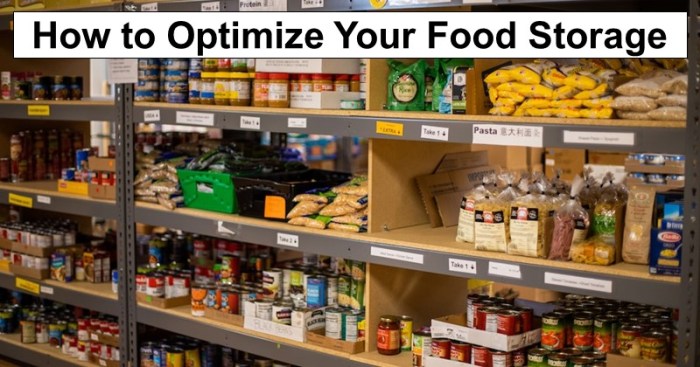
Effective food storage management begins with meticulous planning. A well-structured system minimizes food waste, saves money, and ensures you always have the ingredients you need for healthy and delicious meals. This involves creating a weekly meal plan, conducting a thorough inventory, developing a targeted shopping list, and visualizing your storage space.
Weekly Meal Planning
A weekly meal plan is crucial for reducing food waste and maximizing the use of existing ingredients. Begin by reviewing your current pantry and refrigerator inventory. Identify items nearing their expiration dates and incorporate them into your meals for the week. Consider creating theme nights, such as “Taco Tuesday” or “Pasta Wednesday,” to streamline your planning and reduce decision fatigue. This approach ensures you utilize ingredients efficiently and prevents perfectly good food from ending up in the trash. For example, if you have leftover roasted chicken, plan a chicken salad sandwich for lunch or a chicken and vegetable stir-fry for dinner.
Inventorying Your Food Supplies
Creating a comprehensive inventory of all your food items is the next essential step. This inventory should include each item’s name, quantity, expiration date, and storage location. Categorizing your inventory (e.g., by food group, meal type, or location) can significantly improve its usability. This detailed list will serve as the foundation for your meal planning and shopping list, preventing duplicate purchases and identifying items needing immediate attention. A sample entry might look like: “Canned Tomatoes, 2 cans, 12/25/2024, Pantry Shelf 2”.
Developing a Targeted Shopping List
With your meal plan and inventory complete, create a shopping list based on the items you need to purchase. Prioritize items with approaching expiration dates to minimize waste. Compare your shopping list with your inventory to avoid redundant purchases. For instance, if your meal plan calls for pasta and you already have a package of pasta, you can remove it from your shopping list. This targeted approach ensures you buy only what you need, saving you money and reducing unnecessary food purchases.
Visualizing Your Storage Space
A visual representation of your pantry and refrigerator layout enhances organization and efficiency. Using a table, you can easily track the location of each item, simplifying your search process and preventing food from being forgotten or overlooked.
| Item | Quantity | Expiration Date | Location |
|---|---|---|---|
| Milk | 1 gallon | 10/27/2024 | Refrigerator, Door |
| Eggs | 1 dozen | 11/05/2024 | Refrigerator, Shelf 2 |
| Canned Beans | 3 cans | 03/15/2025 | Pantry, Shelf 1 |
| Pasta | 1 box | 01/10/2025 | Pantry, Shelf 3 |
This table provides a clear overview of your food storage, allowing for quick identification of items and their location. Regularly updating this table as you use and replenish items will ensure its accuracy and usefulness.
Optimizing Food Storage Techniques
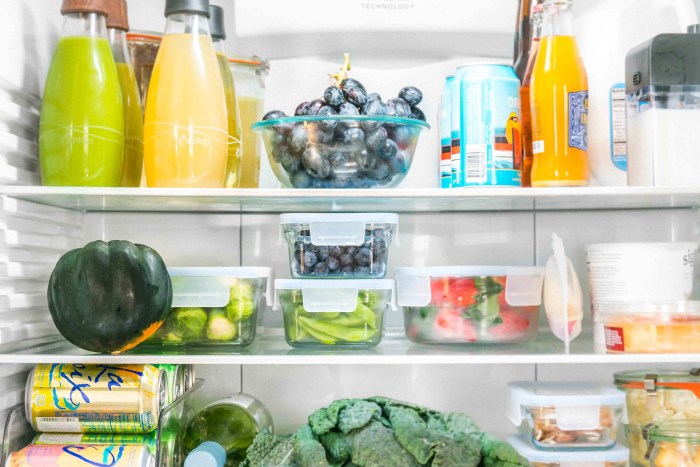
Effective food storage is crucial for minimizing waste, preserving nutritional value, and ensuring food safety. This section delves into various techniques and best practices to optimize your food storage system, maximizing the shelf life of your groceries and reducing spoilage. We will explore different preservation methods, suitable containers, and proper storage procedures for various food types.
Comparing Food Preservation Methods
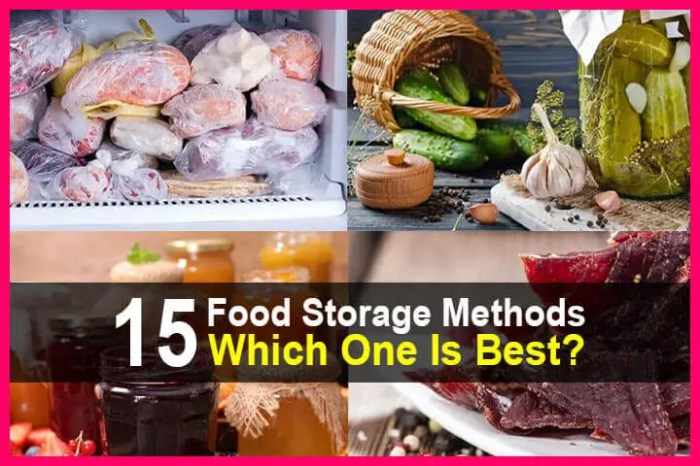
Different preservation methods are best suited for different food types. Freezing is excellent for preserving fruits, vegetables, and meats, maintaining their nutritional content and texture for extended periods. Canning, a heat-based method, is ideal for high-acid foods like tomatoes and jams, providing a long shelf life with minimal changes in flavor or texture. Drying, on the other hand, works well for fruits, vegetables, and herbs, concentrating their flavors and extending their shelf life considerably, though some nutritional value may be lost. The choice of method depends on the food’s characteristics and your desired storage duration. For example, freezing strawberries preserves their vibrant color and flavor better than drying, which can result in a slightly altered texture. Conversely, drying herbs is often preferred over freezing, as it concentrates their flavor and aroma. Canning is particularly effective for preserving acidic foods like pickles and tomatoes, providing a long shelf life and convenient storage.
Optimal Storage Containers
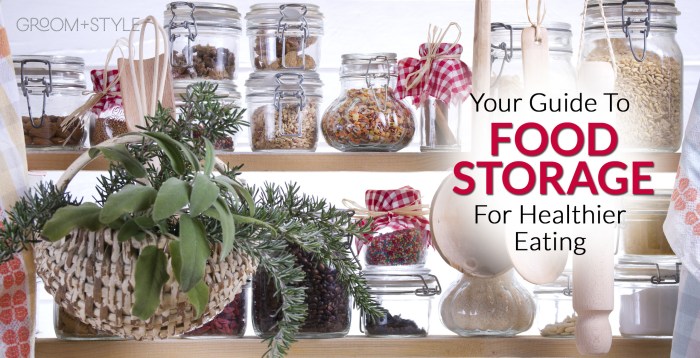
Choosing the right container is vital for maintaining food quality. Airtight containers are essential for preventing spoilage caused by oxidation and moisture loss. Glass containers are excellent for storing dry goods like grains and legumes, offering excellent protection against pests and moisture. For fruits and vegetables, breathable containers made from plastic or perforated materials allow for proper ventilation, preventing condensation and mold growth. Using appropriate containers for different food categories can significantly extend their shelf life. For instance, storing grains in airtight glass jars protects them from moisture and pests, while storing leafy greens in perforated plastic containers allows for proper airflow, minimizing wilting.
Proper Storage of Perishable Items
Maintaining the freshness and preventing bacterial growth in perishable items requires careful attention. Refrigerating perishable items at the correct temperature (below 40°F or 4°C) is crucial. Proper organization within the refrigerator, placing items with shorter shelf lives in more visible locations, helps minimize waste. First-in, first-out (FIFO) inventory management is also key; placing older items at the front ensures they are consumed before expiring. Furthermore, ensuring your refrigerator is properly cleaned and maintained can prevent cross-contamination and the growth of harmful bacteria. For example, storing raw meats on the bottom shelf prevents potential dripping onto other foods. Similarly, rotating older items to the front of the refrigerator helps ensure that nothing is forgotten and left to spoil.
Creating Effective Food Storage Labels
Clear and concise labeling is paramount for efficient inventory management. Each container should include the food type, the date of storage, and the quantity. Using a consistent labeling system allows for easy identification and tracking of stored items, helping you stay organized and prevent food waste. A simple label might include “Dried Basil, 10/26/2024, 1 cup” or “Frozen Strawberries, 11/15/2024, 2 pints.” This approach allows for easy identification of older items and facilitates a first-in, first-out (FIFO) approach to inventory management. A consistent labeling system, perhaps using colored stickers or a standardized format, will further improve organization and efficiency.
Implementing Effective Food Management Strategies
Effective food management is crucial for minimizing waste, maintaining food safety, and maximizing the lifespan of your stored provisions. By implementing a few key strategies, you can significantly improve the efficiency and hygiene of your food storage system, ensuring you get the most out of your groceries and reducing unnecessary expenses. This section details practical techniques for achieving optimal food management.
FIFO Method for Reducing Food Waste
Utilizing the First-In, First-Out (FIFO) method is a simple yet highly effective strategy to combat food waste. This involves placing newer items behind older ones, ensuring that older products are used first. This prevents items from expiring before they can be consumed. For example, when restocking canned goods, place the newly purchased cans behind the existing ones. Similarly, arrange refrigerated items with the soonest expiry dates at the front of the shelf. Regularly checking expiry dates and rotating stock is essential for successful FIFO implementation. A visual reminder system, such as labeling items with their purchase dates, can further enhance this process.
Preventing Common Food Storage Issues
Several common problems can compromise the quality and safety of stored food. Freezer burn, caused by air exposure, can affect the texture and flavor of frozen foods. To prevent this, ensure food is properly wrapped in airtight containers or freezer bags, removing as much air as possible. Insect infestations can be prevented by storing food in airtight containers and regularly inspecting stored items for signs of infestation. Moisture damage, leading to spoilage and mold growth, is best avoided by ensuring proper ventilation in storage areas and storing foods in moisture-resistant containers. Regular cleaning and inspection are key to preventing these issues.
Cleaning and Maintaining Food Storage Areas
Maintaining a clean and organized food storage area is fundamental to preventing contamination and spoilage. A step-by-step guide for cleaning and maintaining these areas includes: 1) Regularly emptying and cleaning refrigerators and freezers, removing expired items and wiping down shelves and drawers; 2) Cleaning pantry shelves and cupboards with a mild detergent solution and allowing them to dry completely before restocking; 3) Inspecting stored food for signs of spoilage or infestation and discarding any affected items immediately; 4) Regularly checking for leaks or spills and cleaning them promptly; 5) Maintaining proper ventilation to prevent moisture buildup. Consistent cleaning and maintenance are crucial for a safe and efficient food storage system.
Common Food Storage Mistakes and How to Avoid Them
Several common mistakes can lead to food spoilage and waste. Improperly storing leftovers, for example, can lead to rapid spoilage. To avoid this, ensure leftovers are cooled quickly before storing them in airtight containers in the refrigerator. Another common mistake is overcrowding refrigerators and freezers, which hinders proper air circulation and can lead to spoilage. Leaving food uncovered can also lead to contamination and spoilage. Always cover food properly to prevent the growth of bacteria. Finally, ignoring expiry dates can result in consuming spoiled food, posing a health risk. Always check expiry dates and use a FIFO system to minimize waste.
Final Review
Mastering food storage is a journey, not a destination, but with the right strategies and a bit of planning, you can significantly improve your kitchen efficiency and reduce food waste. By implementing the nine ways Artikeld above—from meticulous planning and organization to employing smart preservation techniques—you’ll not only save money but also contribute to a more sustainable lifestyle. Remember, the key is consistency and adapting these strategies to your unique needs and preferences. Embrace the process, and enjoy the rewards of a well-managed and organized food storage system.