Conquering the challenge of grocery shopping while sticking to a budget can feel like navigating a maze. This guide provides actionable strategies to transform your approach to food spending, turning it from a source of stress into a manageable and even enjoyable aspect of your life. We’ll explore practical tips and techniques to help you plan, shop, cook, and consume more efficiently, ultimately saving you money and reducing food waste.
From crafting a weekly meal plan that prioritizes affordability to mastering the art of smart shopping and leveraging discounts, this guide offers a holistic approach to budget-friendly eating. Learn how to identify the best value for your money, reduce impulse purchases, and make the most of your grocery budget, leading to a healthier financial situation and a more sustainable lifestyle.
Planning & Preparation
Effective planning and preparation are the cornerstones of successful food budgeting. By strategically planning your meals and creating a detailed grocery list, you can significantly reduce food waste and stay within your budget. This involves understanding your eating habits, utilizing readily available ingredients, and employing smart shopping techniques.
Weekly Meal Plan with Cost Breakdown
A well-structured weekly meal plan is crucial for minimizing grocery expenses and reducing impulsive purchases. This plan incorporates budget-friendly recipes, focusing on affordable and versatile ingredients. The following example assumes average grocery store prices and may vary depending on location and sales.
| Day | Meal | Recipe | Estimated Cost |
|---|---|---|---|
| Monday | Dinner | Lentil Soup (using dried lentils, carrots, celery, onion, and vegetable broth) | $3.00 |
| Tuesday | Dinner | Chicken and Vegetable Stir-fry (using chicken thighs, broccoli, peppers, and soy sauce) | $5.00 |
| Wednesday | Dinner | Pasta with Tomato Sauce (using inexpensive pasta, canned tomatoes, garlic, and basil) | $2.50 |
| Thursday | Dinner | Black Bean Burgers (using canned black beans, breadcrumbs, and spices, served on buns) | $4.00 |
| Friday | Dinner | Tuna Melts (using canned tuna, bread, cheese, and mayonnaise) | $3.50 |
| Saturday | Dinner | Leftovers or simple scrambled eggs with toast | $2.00 |
| Sunday | Dinner | Roast Chicken with Potatoes and Carrots (using a whole chicken, potatoes, and carrots) | $7.00 |
Detailed Grocery List Organized by Aisle
This grocery list is based on the weekly meal plan above, prioritizing affordable ingredients and organized by typical supermarket aisle layout for efficient shopping. Remember to check your pantry for existing items before creating your final list.
Produce Aisle: Carrots (2), Celery (1), Onion (1), Broccoli (1 head), Bell Peppers (2), Garlic (1 head), Potatoes (2 lbs), Basil (1 bunch)
Canned Goods Aisle: Lentils (1 bag, dried), Canned Tomatoes (1 can), Black Beans (1 can), Tuna (2 cans)
Meat & Poultry Aisle: Chicken Thighs (1.5 lbs), Whole Chicken (1)
Dry Goods Aisle: Pasta (1 box), Bread (1 loaf), Breadcrumbs (1 container)
Dairy & Refrigerated Aisle: Cheese (1 block), Mayonnaise (1 container), Vegetable Broth (1 carton)
Spices & Condiments Aisle: Soy Sauce (1 bottle), Salt, Pepper, Other Spices as needed
Strategies for Avoiding Impulse Buys
Impulse buys significantly inflate grocery bills. Several strategies can help mitigate this. For instance, creating a detailed shopping list and sticking to it prevents straying from planned purchases. Avoiding shopping when hungry minimizes emotional buying. Similarly, shopping online can limit exposure to tempting displays.
Common Pitfalls and Solutions:
- Pitfall: Shopping when hungry. Solution: Eat a small snack before going to the grocery store.
- Pitfall: Eye-catching displays at the end of aisles. Solution: Stick to your list and avoid these areas.
- Pitfall: Attractive packaging and promotions. Solution: Focus on unit price and nutritional value rather than marketing.
- Pitfall: Large quantities of discounted items. Solution: Only buy in bulk if you’ll actually use the product before it expires.
Smart Shopping & Saving Techniques
Effective grocery shopping goes beyond simply picking up items; it’s about strategic planning and employing savvy techniques to minimize expenses without sacrificing quality. This section will explore different grocery store options, highlight discount maximization strategies, and demonstrate the use of unit pricing for optimal value.
Grocery store choices significantly impact your food budget. Supermarkets offer convenience and a wide selection but often come with higher prices. Discount stores, such as Aldi or Lidl, prioritize affordability by offering a more limited selection and often requiring customers to bring their own bags. Farmers’ markets provide fresh, locally sourced produce but usually at a premium. Price differences stem from factors like store overhead (rent, staffing), product sourcing (local vs. imported), and marketing strategies. Discount stores keep costs low by focusing on efficiency and minimizing packaging, while supermarkets invest more in presentation and customer service. Farmers’ markets reflect the higher costs of small-scale farming and direct-to-consumer sales.
Comparing Grocery Store Costs
The cost-effectiveness of each grocery store type varies based on individual needs and shopping habits. For example, someone prioritizing convenience and a wide variety of options might find supermarkets suitable despite higher prices. Conversely, a budget-conscious shopper might prefer discount stores or carefully select items at farmers’ markets to complement their grocery shopping from a discount retailer. Ultimately, the best choice depends on a careful consideration of your priorities and spending habits.
Maximizing Discounts and Coupons
Effective couponing and discount utilization can significantly reduce grocery bills. Here are five practical tips:
- Utilize store loyalty programs: Many supermarkets offer loyalty cards that provide personalized discounts and coupons based on your purchase history. For example, Kroger’s Plus Card often provides digital coupons tailored to individual shoppers’ purchasing patterns.
- Check store flyers and websites: Regularly review weekly flyers and online promotions for discounts on specific items. Many stores advertise sales on their websites and mobile apps.
- Employ coupon apps: Several apps (e.g., Flipp, Coupons.com) aggregate coupons from various stores and manufacturers, simplifying the process of finding relevant deals.
- Combine coupons with sales: Don’t just use coupons; combine them with store sales for maximum savings. For example, if a store is offering a 20% discount on cereal and you have a $1 off coupon, you could save significantly more than using just one of these methods.
- Plan your shopping list around deals: Base your weekly meal planning around items on sale or for which you have coupons. This ensures that you’re not just buying things because they’re discounted but because you’ll actually use them.
Utilizing Unit Pricing for Best Value
Unit pricing, expressed as price per unit of weight or volume (e.g., price per ounce, per pound, or per liter), allows for a direct comparison of the cost-effectiveness of different package sizes or brands. This prevents impulsive purchases based solely on apparent low prices.
For example:
Consider two jars of peanut butter:
Jar A: 16 ounces for $4.00
Jar B: 24 ounces for $6.00
To calculate unit price:
Jar A: $4.00 / 16 ounces = $0.25 per ounce
Jar B: $6.00 / 24 ounces = $0.25 per ounce
In this case, both jars offer the same unit price, making either a viable choice. However, if Jar B were priced at $7.00, its unit price would be $0.29 per ounce, making Jar A the better value.
Unit pricing helps avoid impulse buys by focusing on the actual cost per unit, not just the overall price.
Cooking & Consumption Strategies for Budget-Conscious Living

Effective cooking and consumption habits are crucial for managing a food budget. By focusing on simple, bulk-friendly recipes and minimizing waste, you can significantly reduce your grocery expenses while maintaining a healthy and varied diet. This section will explore practical strategies for achieving this.
Budget-Friendly Bulk Recipes
Preparing meals in bulk offers significant cost savings. Larger batches reduce the per-serving cost and minimize the time spent cooking throughout the week. The following recipes are easily adaptable to your preferences and dietary needs.
- One-Pot Lentil Soup: This hearty and nutritious soup is incredibly versatile and cheap to make. Ingredients include 1 cup brown or green lentils, 1 onion (chopped), 2 carrots (chopped), 2 celery stalks (chopped), 4 cloves garlic (minced), 8 cups vegetable broth, 1 teaspoon dried oregano, 1/2 teaspoon dried thyme, salt and pepper to taste. Sauté onion, carrots, and celery until softened. Add garlic, lentils, broth, oregano, and thyme. Bring to a boil, then reduce heat and simmer for 45-60 minutes, or until lentils are tender. Season with salt and pepper. This recipe easily doubles or triples. Store leftovers in airtight containers in the refrigerator for up to 5 days or freeze for longer storage.
- Chicken and Vegetable Stir-Fry: A quick and easy stir-fry is a budget-friendly way to use a variety of vegetables. Ingredients include 1.5 lbs boneless, skinless chicken breasts (cut into bite-sized pieces), 1 tbsp olive oil, 1 onion (sliced), 2 bell peppers (sliced), 1 head broccoli (florets), 1 cup snow peas, 1/2 cup soy sauce, 2 tbsp honey, 1 tbsp cornstarch. Stir-fry chicken until cooked through. Add onion, bell peppers, and broccoli; cook until tender-crisp. Whisk together soy sauce, honey, and cornstarch; pour over vegetables and chicken. Cook until sauce thickens. Serve over rice or quinoa. This recipe can easily be doubled or tripled, and leftover stir-fry can be stored in the refrigerator for up to 3 days.
- Baked Chicken and Sweet Potatoes: This simple recipe requires minimal preparation and is perfect for meal prepping. Ingredients include 4 lbs bone-in, skin-on chicken thighs, 4 large sweet potatoes (peeled and cubed), 2 tbsp olive oil, 1 tsp paprika, 1/2 tsp garlic powder, salt and pepper to taste. Toss sweet potatoes and chicken with olive oil, paprika, garlic powder, salt, and pepper. Spread on a baking sheet and bake at 400°F (200°C) for 45-60 minutes, or until chicken is cooked through and sweet potatoes are tender. This recipe is easily scalable for larger quantities. Store leftovers in airtight containers in the refrigerator for up to 4 days.
Meal Prepping for Budgetary Savings
Meal prepping involves planning, preparing, and storing meals in advance. This significantly reduces impulse spending on takeout or less healthy convenience foods, saving both time and money.
The process typically involves:
- Planning: Create a weekly menu based on your preferences and available ingredients. Consider recipes that can be made in bulk and easily stored.
- Shopping: Make a detailed shopping list based on your meal plan to avoid impulse purchases.
- Cooking: Prepare meals in large batches on a designated day, focusing on efficiency and minimizing cleanup.
- Storage: Portion meals into individual containers for easy grab-and-go options throughout the week. Use appropriate storage containers to maintain freshness and prevent spoilage.
Reducing Food Waste at Home
Food waste contributes significantly to increased grocery bills. Addressing the root causes of waste is essential for effective budget management.
| Problem | Solution |
|---|---|
| Improper storage leading to spoilage | Use appropriate storage containers and follow recommended storage guidelines for different food types. First In, First Out (FIFO) method for pantry items. |
| Buying too much food | Plan meals carefully, make shopping lists, and stick to them. Buy only what you need. |
| Not using leftovers effectively | Repurpose leftovers into new meals. Freeze leftovers for later use. |
| Failing to check expiration dates | Regularly check expiration dates and use older items first. |
| Overestimating portion sizes | Serve smaller portions and save leftovers for another meal. |
Conclusive Thoughts
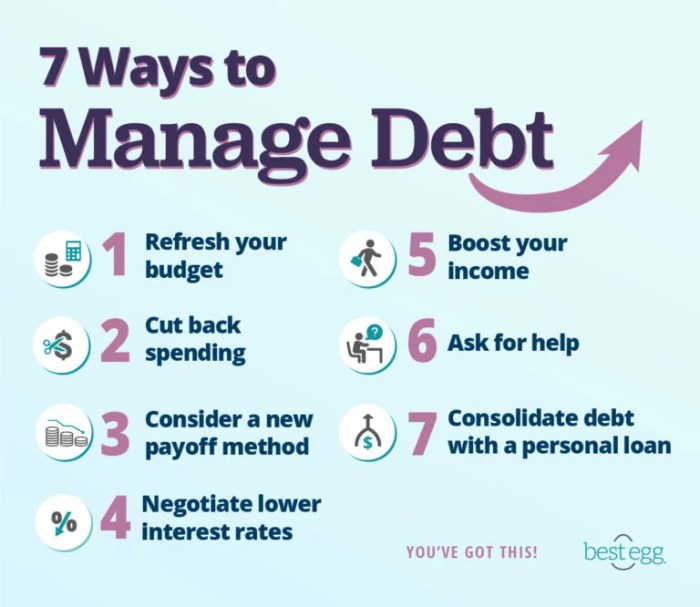
Mastering your food budget isn’t about deprivation; it’s about making informed choices that align with your financial goals and culinary preferences. By implementing the strategies Artikeld in this guide – from meticulous planning and strategic shopping to mindful cooking and waste reduction – you can achieve significant savings while still enjoying delicious and nutritious meals. Take control of your food spending today and reap the rewards of a well-managed budget.