Feeling consistently drained? Understanding and managing your energy levels is crucial for overall well-being and productivity. This guide explores four key factors – your body’s natural rhythms, nutrition and hydration, stress management, and physical activity – offering practical strategies to boost your energy and enhance your daily life. We’ll delve into how these elements interact to influence your energy levels, providing actionable steps you can implement immediately.
From optimizing your sleep schedule to making mindful food choices and incorporating stress-reducing techniques, we’ll equip you with the knowledge and tools to take control of your energy, leading to increased focus, improved mood, and a greater sense of vitality.
Understanding Your Energy Rhythms

Understanding your body’s natural energy fluctuations is crucial for effective energy management. Our energy levels aren’t constant; they rise and fall throughout the day, largely influenced by our internal biological clock and the quality of our sleep. By aligning our activities with these natural rhythms, we can significantly improve our overall energy and productivity.
The circadian rhythm, our internal biological clock, regulates various bodily functions, including sleep-wake cycles, hormone release, and body temperature. This rhythm operates on a roughly 24-hour cycle, influencing our energy levels throughout the day. A well-functioning circadian rhythm leads to higher energy during waking hours and improved sleep at night. Conversely, disruptions to this rhythm, such as irregular sleep schedules or exposure to excessive light at night, can lead to decreased energy, fatigue, and reduced cognitive function.
Sleep Quality’s Impact on Daily Energy
The quality of our sleep significantly impacts our daily energy levels. More than just the quantity of sleep, the depth and consistency of our sleep cycles determine how rested and energized we feel upon waking. A night of fragmented sleep, even if it lasts seven or eight hours, can leave us feeling tired and sluggish throughout the day. Conversely, a shorter but deeply restorative sleep can be more energizing than a longer, poor-quality sleep. Factors influencing sleep quality include the sleep environment (darkness, quiet, comfortable temperature), sleep hygiene practices (consistent sleep schedule, avoiding caffeine and alcohol before bed), and underlying health conditions.
Optimizing Sleep and Wake Times
Creating a consistent sleep schedule is essential for regulating the circadian rhythm and optimizing energy levels. This involves going to bed and waking up at roughly the same time each day, even on weekends, to maintain a regular sleep-wake cycle.
Here’s a sample schedule template:
| Day | Bedtime | Wake-up Time | Total Sleep |
|---|---|---|---|
| Monday | 10:00 PM | 6:00 AM | 8 hours |
| Tuesday | 10:00 PM | 6:00 AM | 8 hours |
| Wednesday | 10:00 PM | 6:00 AM | 8 hours |
| Thursday | 10:00 PM | 6:00 AM | 8 hours |
| Friday | 10:00 PM | 6:00 AM | 8 hours |
| Saturday | 10:30 PM | 7:00 AM | 8.5 hours |
| Sunday | 11:00 PM | 7:30 AM | 8.5 hours |
Note: This is a sample schedule; individual sleep needs vary. Adjust the bedtime and wake-up times to achieve 7-9 hours of sleep per night.
Personalized Energy Tracking System
Regularly tracking your energy levels can help you identify patterns and triggers that affect your energy. A daily log provides valuable insights into your energy fluctuations and their correlation with various factors such as sleep, diet, and activity levels.
A simple daily log could include:
- Time of day
- Energy level (on a scale of 1-10)
- Sleep duration and quality
- Food and drink consumed
- Physical activity
- Stress levels
Effects of Different Sleep Durations on Energy Levels
The following table illustrates the general effects of different sleep durations on energy levels. Individual experiences may vary.
| Time Asleep | Energy Levels (Morning) | Energy Levels (Afternoon) | Energy Levels (Evening) |
|---|---|---|---|
| <5 hours | Low | Very Low | Extremely Low |
| 5-6 hours | Moderate | Low | Low |
| 7-8 hours | High | Moderate | Moderate |
| 9+ hours | High | High | Moderate |
Optimizing Nutrition and Hydration
Maintaining consistent energy levels throughout the day requires a strategic approach to nutrition and hydration. The foods and drinks we consume directly impact our energy production and overall well-being, influencing our ability to focus, work effectively, and maintain a positive mood. Ignoring this crucial aspect can lead to energy crashes, decreased productivity, and even health problems. Understanding the role of macronutrients and hydration is key to unlocking sustained energy.
Macronutrient Roles in Sustained Energy
Macronutrients – carbohydrates, proteins, and fats – are the building blocks of energy. Carbohydrates provide quick energy, ideal for immediate tasks and activities. Proteins are essential for building and repairing tissues, contributing to sustained energy release. Fats provide long-lasting energy and support various bodily functions. A balanced intake of all three is crucial for consistent energy levels. Relying solely on one macronutrient can lead to energy fluctuations and potential health issues. For example, a diet high in refined carbohydrates can cause a rapid spike in blood sugar followed by a sharp drop, leading to fatigue.
Energy-Boosting Meals and Snacks
Consuming meals and snacks that provide a steady release of energy is vital for maintaining consistent energy throughout the day. Examples of energy-boosting meals include oatmeal with berries and nuts for breakfast, a salad with grilled chicken or fish for lunch, and a lentil soup with whole-grain bread for dinner. Snacks should be chosen to complement these meals and prevent energy dips. Good options include Greek yogurt with fruit, a handful of almonds, or a hard-boiled egg. These choices offer a mix of carbohydrates, proteins, and healthy fats for sustained energy release.
Importance of Hydration and its Effect on Energy Levels
Hydration is often overlooked but plays a critical role in energy levels. Dehydration can lead to fatigue, headaches, and decreased cognitive function. Water is essential for many bodily processes, including nutrient transport and waste removal. When dehydrated, the body struggles to perform optimally, resulting in reduced energy and overall performance. Even mild dehydration can significantly impact energy levels. Staying well-hydrated is crucial for maintaining consistent energy throughout the day.
Hydrating Foods and Beverages
Incorporating hydrating foods and beverages into your daily diet is as important as drinking water. Watermelon, cucumbers, and spinach are examples of foods with high water content. Unsweetened herbal teas, coconut water, and even broth-based soups contribute to daily hydration. These choices offer a variety of flavors and nutrients while supporting hydration. Limiting sugary drinks, which can dehydrate, is also essential for optimal hydration and energy levels.
Sample Energy-Boosting Meal Plan
A balanced meal plan is key to sustained energy. This is a sample plan, and individual needs may vary. Consult a nutritionist for personalized advice.
- Breakfast: Oatmeal with berries and a sprinkle of nuts.
- Mid-morning snack: Greek yogurt with a small handful of almonds.
- Lunch: Salad with grilled chicken or fish, and a side of whole-grain bread.
- Afternoon snack: Apple slices with peanut butter.
- Dinner: Lentil soup with a side of whole-grain bread.
Managing Stress and Physical Activity
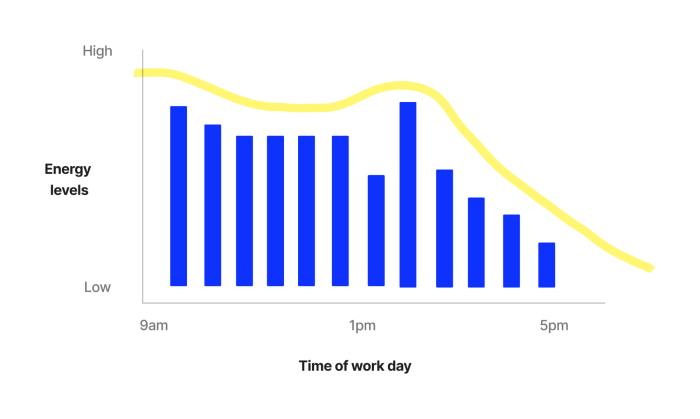
Maintaining healthy energy levels requires a multifaceted approach, and effectively managing stress and incorporating regular physical activity are crucial components. Chronic stress significantly depletes energy reserves, while consistent exercise can boost energy levels and improve overall well-being. Understanding the interplay between stress, physical activity, and energy is key to optimizing your vitality.
Common Stressors and Their Impact on Energy
Stress, in its various forms, exerts a considerable toll on our energy levels. Common stressors include work deadlines, relationship difficulties, financial worries, and significant life changes. The body’s response to stress, often involving the release of cortisol, can lead to feelings of exhaustion, difficulty concentrating, and irritability. Prolonged exposure to these stressors can lead to burnout and chronic fatigue, severely impacting daily functioning and overall energy. Recognizing these stressors and implementing effective coping mechanisms is paramount for maintaining sustainable energy levels.
Stress Management Techniques
Effective stress management techniques are vital for preserving energy and improving overall well-being. Meditation, a practice involving focused attention on the present moment, has been shown to reduce cortisol levels and promote relaxation. Deep breathing exercises, which involve slow, controlled breaths, activate the parasympathetic nervous system, counteracting the effects of stress hormones. Regular practice of these techniques can significantly reduce stress-induced energy depletion and improve mental clarity.
Benefits of Regular Exercise on Energy Levels
Regular physical activity offers a powerful means of boosting energy levels and enhancing overall well-being. Exercise improves cardiovascular health, increases oxygen flow to the brain, and releases endorphins, natural mood boosters that combat fatigue and enhance feelings of well-being. A consistent exercise routine can lead to improved sleep quality, reduced stress levels, and increased energy throughout the day. The positive feedback loop between exercise and energy levels makes it a crucial element of any energy management plan.
Sample Workout Routine
A balanced workout routine should incorporate elements of cardiovascular exercise, strength training, and flexibility exercises. The following routine is adaptable to various fitness levels; adjust intensity and duration based on individual capabilities.
Remember to consult your physician before starting any new exercise program.
- Warm-up (5-10 minutes): Light cardio, such as jogging in place or jumping jacks, followed by dynamic stretching (arm circles, leg swings).
- Cardio (20-30 minutes): Choose an activity you enjoy, such as brisk walking, running, cycling, or swimming. Maintain a moderate intensity, where you can hold a conversation but are slightly breathless.
- Strength Training (20-30 minutes): Perform exercises targeting major muscle groups, such as squats, push-ups, lunges, and rows. Use bodyweight or light weights, focusing on proper form. Aim for 2-3 sets of 10-12 repetitions for each exercise.
- Cool-down (5-10 minutes): Static stretching, holding each stretch for 20-30 seconds. Focus on major muscle groups worked during the workout.
Comparison of Exercise Types and Energy Impact
Different types of exercise have varying impacts on energy levels. High-intensity interval training (HIIT) provides a significant energy boost in the short term, while moderate-intensity cardio offers sustained energy throughout the day. Strength training contributes to long-term energy improvements by building muscle mass and improving metabolic function.
| Exercise Type | Intensity | Duration | Energy Impact |
|---|---|---|---|
| High-Intensity Interval Training (HIIT) | High | Short bursts (e.g., 20-30 minutes) | Short-term, significant boost; potential for fatigue if overdone |
| Moderate-Intensity Cardio | Moderate | 30-60 minutes | Sustained energy throughout the day; improved mood and sleep |
| Strength Training | Moderate to High | 20-30 minutes | Long-term energy improvement; increased muscle mass, improved metabolism |
| Yoga/Pilates | Low to Moderate | 30-60 minutes | Improved flexibility, reduced stress, gentle energy boost |
Outcome Summary
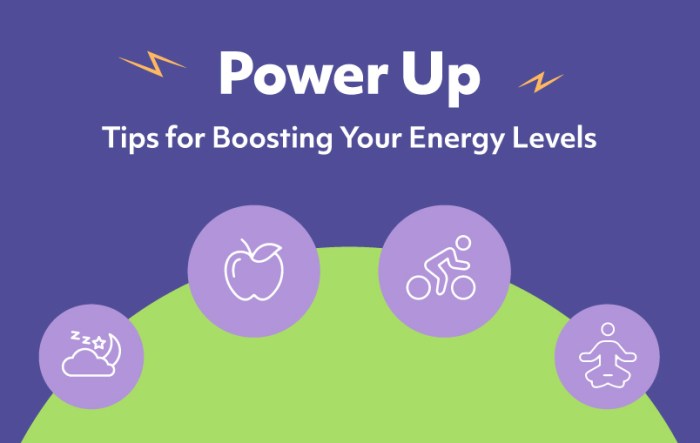
By understanding and actively managing your circadian rhythm, fueling your body with nutritious foods and sufficient hydration, implementing effective stress-management techniques, and incorporating regular physical activity, you can significantly improve your energy levels. Remember, consistency is key. Small, sustainable changes in these areas can lead to a dramatic positive impact on your overall energy and well-being, allowing you to live a more fulfilling and productive life. Start implementing these strategies today and experience the transformative power of sustained energy.