In today’s hyper-connected world, distractions are a constant battle. From incessant notifications to unexpected interruptions, maintaining focus can feel like an uphill climb. This guide provides nine practical strategies to help you reclaim your concentration and boost productivity. We’ll explore techniques ranging from identifying your personal distraction triggers to cultivating a more conducive work environment, ultimately empowering you to take control of your attention and achieve your goals.
We delve into the science behind focus, examining how different environments and habits impact our ability to concentrate. You’ll learn how to effectively utilize time management techniques, implement mindfulness practices, and establish clear boundaries to minimize interruptions. By the end, you’ll have a personalized plan to navigate distractions and unlock your full potential.
Identifying Your Distractions
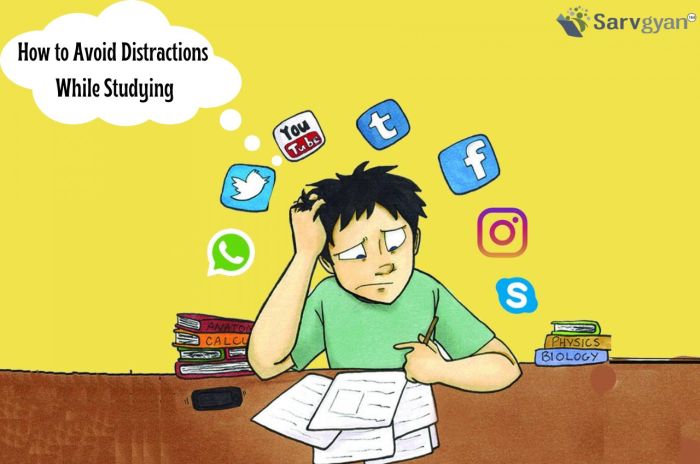
Understanding the nature and frequency of your distractions is the crucial first step towards effective management. By identifying your specific distractors, you can develop targeted strategies to minimize their impact on your productivity and focus. This involves a systematic approach to recognizing patterns and developing coping mechanisms.
Common workplace distractions are numerous and varied, impacting individuals differently. Recognizing these patterns is key to regaining control of your workday.
Common Workplace Distractions
The following table categorizes common distractions, their frequency, impact, and potential coping strategies. This is a general guide; your personal experience may vary.
| Distraction Type | Frequency | Impact | Coping Strategy |
|---|---|---|---|
| Email Notifications | High (multiple times per hour) | Moderate to High (interrupts workflow, causes task switching) | Schedule specific email check times, disable notifications during focused work periods. |
| Social Media | Moderate (several times per day) | High (significant time loss, reduced concentration) | Use website blockers, uninstall social media apps from your work device. |
| Coworker Conversations | Moderate (several times per day) | Moderate (disrupts concentration, delays tasks) | Communicate boundaries, use noise-canceling headphones, find a quieter workspace. |
| Phone Calls | Low to Moderate (few times per day) | Moderate (interrupts flow, requires immediate attention) | Set specific call times, use voicemail more frequently, communicate availability. |
| Meetings | Moderate (several times per week) | High (consumes large blocks of time, may be unproductive) | Optimize meeting agendas, limit meeting duration, utilize alternative communication methods. |
| Personal Errands/Tasks | Low to Moderate (few times per day) | Moderate (takes time away from work, creates mental load) | Schedule personal tasks for breaks or after work, delegate where possible. |
| Uncomfortable Workspace | Constant | Low to Moderate (reduced comfort, fatigue) | Ensure proper lighting, ergonomic setup, comfortable temperature. |
| Hunger/Thirst | Low to Moderate (few times per day) | Low (minor disruption, reduced concentration) | Plan regular breaks for meals and hydration. |
| Noise | Variable | Low to High (depending on the type and intensity of noise) | Use noise-canceling headphones, communicate with noisy colleagues, find a quieter location. |
Situational and Environmental Factors
Distractions often cluster in specific situations or environments. For example, open-plan offices tend to increase the frequency of coworker conversations and noise distractions. Working from home can lead to increased interruptions from family members or household chores. Understanding these contexts allows for proactive strategies.
Tracking and Monitoring Distractions
To effectively manage distractions, you need data. This step-by-step guide will help you track your distractions over a week.
- Choose a tracking method: Use a notebook, spreadsheet, or a dedicated app to record your distractions.
- Define your distractions: Based on the table above, identify the specific distractions that impact you most.
- Set a timeframe: Track your distractions for a full work week.
- Record each distraction: Note the type of distraction, time of occurrence, duration, and its impact on your work.
- Analyze your data: At the end of the week, review your records to identify patterns and trends.
- Prioritize your strategies: Based on the frequency and impact of each distraction, develop targeted coping mechanisms.
Implementing Effective Strategies
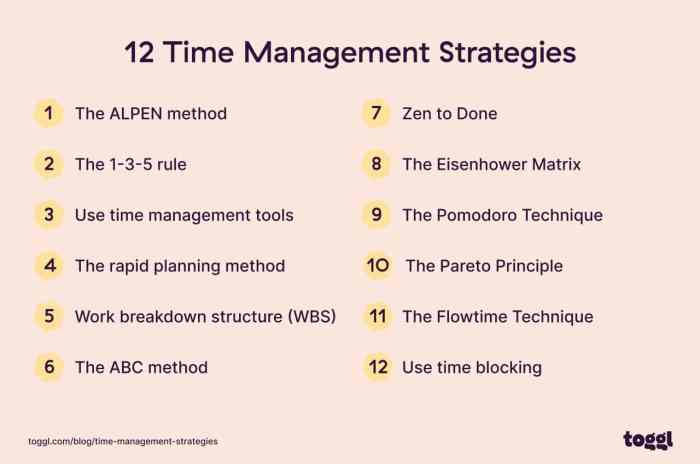
Successfully managing distractions requires more than just identifying them; it necessitates the implementation of practical strategies to minimize their impact. This involves proactively controlling your environment and employing effective time management techniques to maintain focus and productivity. By combining these approaches, you can significantly improve your ability to concentrate and achieve your goals.
Minimizing Digital Interruptions
Digital devices, while incredibly useful, are often the biggest culprits behind distractions. Here are five practical techniques to mitigate their disruptive effects:
- Turn off non-essential notifications: Silence or disable notifications for social media, email, and other apps that aren’t crucial to your immediate tasks. This prevents the constant pinging and buzzing that can break your concentration.
- Use website blockers: Employ browser extensions or apps that block access to time-wasting websites during focused work periods. This creates a distraction-free environment, allowing you to immerse yourself in your tasks.
- Schedule dedicated email and social media checks: Instead of constantly checking your inbox or social media feeds, allocate specific times during the day for these activities. This prevents reactive checking and allows for more controlled engagement.
- Utilize the “Do Not Disturb” mode: On your phone and computer, activate the “Do Not Disturb” mode during periods requiring intense focus. This silences calls, texts, and other alerts, providing uninterrupted time for deep work.
- Keep your phone out of sight: Place your phone in another room or in a drawer during work sessions. This physical distance reduces the temptation to check it frequently.
Advantages and Disadvantages of Time Management Methods
Different time management techniques offer varying approaches to managing distractions. Understanding their strengths and weaknesses helps you choose the best method for your needs and working style. The Pomodoro Technique and Time Blocking are two popular examples. The Pomodoro Technique involves working in focused bursts (typically 25 minutes) followed by short breaks, while Time Blocking allocates specific time slots for particular tasks.
Comparison of Time Management Techniques
| Method | Pros | Cons | Suitability |
|---|---|---|---|
| Pomodoro Technique | Increases focus during work intervals; provides regular breaks to prevent burnout; easy to implement. | May not be suitable for tasks requiring extended periods of concentration; rigid structure might feel restrictive to some. | Best for tasks requiring bursts of focused attention and those prone to procrastination. |
| Time Blocking | Provides a clear structure for the day; helps prioritize tasks; allows for better time estimation. | Requires careful planning and scheduling; inflexible if unexpected events arise; can be overwhelming if overscheduled. | Suitable for individuals who prefer a structured approach to time management and those with many tasks to complete. |
| Mindfulness Meditation | Enhances focus and concentration; reduces stress and anxiety; improves self-awareness. | Requires consistent practice; can be challenging initially; may not be suitable for everyone. | Beneficial for anyone seeking to improve focus and manage stress, particularly those easily distracted. |
Incorporating Mindfulness and Meditation
Mindfulness and meditation practices can significantly enhance your ability to focus by training your mind to stay present and resist distractions. A plan for incorporating these practices might include:
- Start small: Begin with short, 5-10 minute meditation sessions daily, gradually increasing the duration as you become more comfortable.
- Find a quiet space: Choose a calm, comfortable environment free from interruptions where you can relax and focus on your breath.
- Use guided meditations: Many apps and online resources offer guided meditations for beginners, making it easier to get started.
- Practice mindfulness throughout the day: Incorporate mindfulness into your daily routine by paying attention to your senses and your present experience, even during mundane activities.
- Be patient and consistent: The benefits of mindfulness and meditation accumulate over time, so consistency is key. Don’t get discouraged if you find it challenging at first.
Creating a Conducive Environment
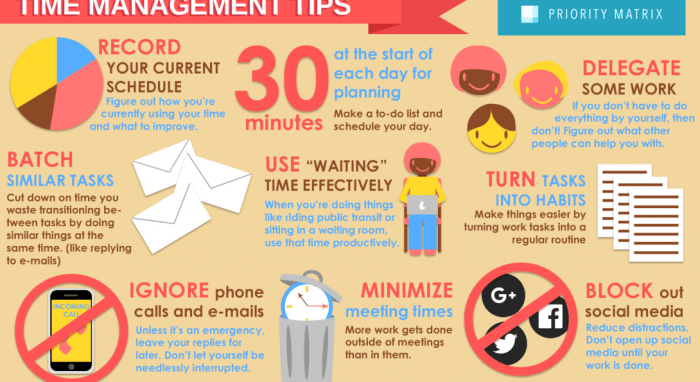
Optimizing your workspace is crucial for effective focus. A well-designed environment minimizes distractions and fosters a state conducive to deep work. This involves careful consideration of your physical surroundings, communication strategies, and the creation of personalized rituals.
Creating a productive workspace involves optimizing various elements to minimize distractions and promote concentration. This goes beyond simply having a desk and chair; it’s about crafting an environment that actively supports your focus.
Ideal Workspace Setup
The ideal workspace promotes concentration by minimizing visual, auditory, and tactile distractions. Good lighting is essential; natural light is preferable, supplemented by a task lamp to avoid harsh shadows. Noise levels should be kept to a minimum; consider using noise-canceling headphones or white noise machines to mask distracting sounds. A well-organized workspace, free from clutter, reduces visual distractions and promotes a sense of calm. This means having a designated space for everything, with readily accessible materials and a clear area for your primary work. For example, a clean desk with only essential items visible, neatly organized files, and a comfortable, ergonomic chair can significantly improve focus.
Strategies for Communicating Boundaries
Effective communication is vital for reducing interruptions from colleagues and family members. Clearly define your work hours and communicate them proactively. Use visual cues, such as a “Do Not Disturb” sign, or digital status indicators to signal when you need uninterrupted time. Practice assertive communication when necessary; politely but firmly explain your need for focused work. For example, you could schedule specific times for communication and meetings, ensuring focused work blocks are protected. Communicating your need for uninterrupted time with family members might involve setting designated “work hours” and explaining the importance of focused work for meeting deadlines or completing tasks effectively.
Personalized Focus Rituals
A personalized focus ritual acts as a mental transition, signaling your brain to shift into a concentrated state. This could involve a simple routine, such as making a cup of tea, listening to calming music, or briefly meditating. The key is consistency; performing the same ritual before each work session helps establish a mental association between the ritual and focused work. For instance, a ritual might include deep breathing exercises, a quick stretching routine, or reviewing the day’s to-do list. The purpose is to mentally prepare for the task ahead, reducing mental clutter and enhancing focus.
Utilizing Environmental Cues
Environmental cues can be powerful tools for enhancing focus. Specific lighting, music, or scents can signal your brain to shift into a focused state. For example, using a specific type of soft lighting, playing ambient music without lyrics, or using a calming essential oil diffuser can create an atmosphere conducive to concentration. Experiment with different cues to find what works best for you. The consistency of these cues is key; repeatedly associating them with focused work reinforces their effectiveness as triggers for enhanced concentration. For example, a specific playlist of instrumental music or the scent of lavender might become reliable cues to initiate a focused state.
Concluding Remarks
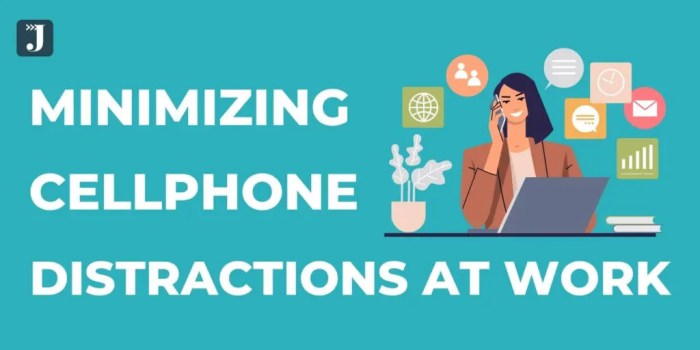
Mastering the art of managing distractions isn’t about eliminating them entirely; it’s about developing a proactive approach to navigate them effectively. By understanding your individual triggers, implementing practical strategies, and creating a supportive environment, you can cultivate a more focused and productive lifestyle. Remember, consistent effort and self-awareness are key to long-term success in managing distractions and achieving a greater sense of control over your time and energy.