Effective team management is the cornerstone of any successful organization. This guide delves into ten crucial leadership strategies designed to foster high-performing teams. We’ll explore techniques for communication, delegation, motivation, and team building, providing practical examples and actionable advice to help leaders cultivate a collaborative and productive work environment.
From mastering the art of constructive feedback to understanding different motivational theories and implementing effective delegation strategies, this guide offers a comprehensive approach to leadership, empowering you to guide your team toward achieving shared goals and exceeding expectations. We’ll address common challenges and provide solutions to help you navigate the complexities of team dynamics and build a strong, cohesive unit.
Effective Communication & Feedback
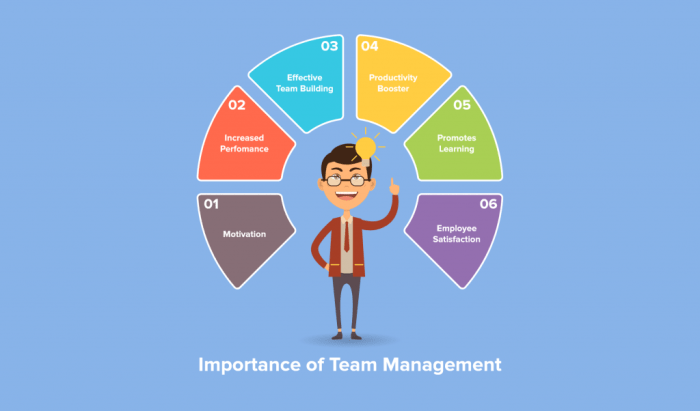
Effective communication and feedback are cornerstones of successful team management. Open dialogue, constructive criticism, and active listening foster a collaborative environment where team members feel valued and empowered to contribute their best work. This, in turn, leads to increased productivity, improved morale, and the achievement of shared goals.
Strategies for Fostering Open and Honest Communication
Creating a culture of open and honest communication requires proactive effort. Several strategies can significantly improve team interactions and encourage the free flow of information.
- Establish clear communication channels: Designate specific methods for different types of communication (e.g., email for formal updates, instant messaging for quick questions, regular team meetings for discussions). This ensures that information reaches the right people in a timely manner and reduces confusion.
- Promote regular feedback sessions: Schedule dedicated time for team members to share their thoughts, concerns, and ideas. This could involve one-on-one meetings, team brainstorming sessions, or anonymous feedback mechanisms.
- Encourage open-door policies: Make yourself approachable and accessible to team members. Let them know they can come to you with questions, concerns, or suggestions at any time.
- Foster a culture of psychological safety: Create an environment where team members feel comfortable expressing themselves without fear of judgment or retribution. This requires active listening, empathy, and a commitment to addressing concerns fairly.
- Utilize diverse communication methods: Recognize that people communicate differently. Employ a variety of methods – written communication, verbal discussions, visual aids – to cater to diverse learning styles and preferences.
Constructive Feedback Methods
Constructive feedback is crucial for improving individual and team performance. It should be specific, actionable, and focused on behaviors rather than personality traits.
- The SBI Model (Situation-Behavior-Impact): This model provides a structured approach to giving feedback. Describe the situation, the specific behavior observed, and the impact of that behavior. For example: “During the project presentation (Situation), you interrupted several team members (Behavior), which made it difficult for them to fully express their ideas (Impact).”
- The “sandwich” method: Start with positive feedback, then deliver constructive criticism, and end with another positive comment. This approach helps soften the criticism and makes it easier to receive.
- Focus on observable behaviors and their impact: Avoid making generalizations or personal attacks. Instead, focus on specific instances of behavior and their consequences. For instance, instead of saying “You’re lazy,” say “The deadline was missed because the assigned tasks were not completed on time.”
Techniques for Active Listening
Active listening involves fully concentrating on what the speaker is saying, understanding their message, responding thoughtfully, and remembering what was said.
- Pay attention to both verbal and nonverbal cues: Observe body language, tone of voice, and facial expressions to gain a deeper understanding of the speaker’s message.
- Show empathy and understanding: Try to see things from the speaker’s perspective. Acknowledge their feelings and validate their experiences.
- Ask clarifying questions: Don’t hesitate to ask questions to ensure you understand the speaker’s message completely. This demonstrates engagement and encourages further communication.
Communication Plan for Conflict Resolution
A well-defined communication plan is essential for addressing conflicts effectively.
- Establish clear procedures for conflict resolution: Artikel steps for reporting disagreements, mediating disputes, and escalating issues when necessary.
- Encourage open dialogue and active listening: Facilitate discussions where all parties can express their perspectives without interruption. Focus on understanding the root causes of the conflict.
- Seek mutually acceptable solutions: Work collaboratively to find solutions that address the concerns of all involved parties. Avoid imposing solutions or taking sides.
Importance of Non-Verbal Communication
Non-verbal communication, including body language, tone of voice, and facial expressions, significantly impacts team interactions. It can either enhance or hinder the effectiveness of verbal communication.
| Communication Style | Verbal Cues | Non-Verbal Cues | Effectiveness |
|---|---|---|---|
| Assertive | Clear, direct, respectful | Confident posture, direct eye contact, appropriate tone | High – promotes understanding and respect |
| Passive | Indirect, hesitant, apologetic | Slumped posture, averted gaze, low tone | Low – can lead to misunderstandings and resentment |
| Aggressive | Loud, demanding, accusatory | Angry facial expressions, pointing, invading personal space | Low – creates hostility and defensiveness |
| Passive-Aggressive | Sarcastic, indirect, manipulative | Mixed signals, inconsistent body language | Low – undermines trust and creates confusion |
Delegation & Empowerment
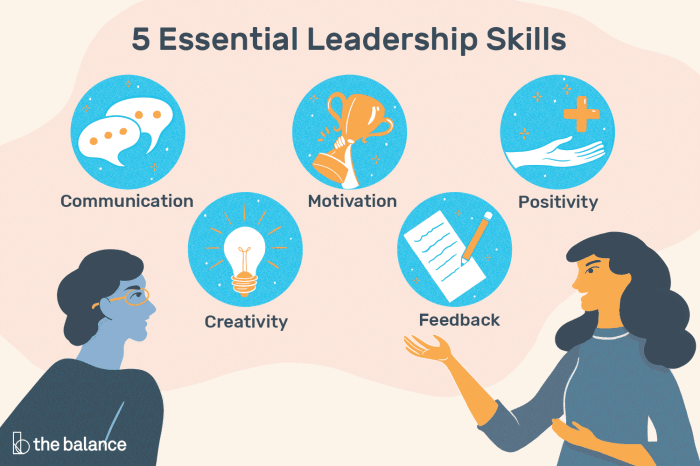
Effective delegation and empowerment are crucial for building high-performing teams. By entrusting tasks and fostering ownership, leaders cultivate a more engaged and productive workforce. This involves understanding individual strengths, setting clear expectations, and providing the necessary support to ensure success.
Delegating tasks effectively requires a careful assessment of team members’ skills and experience. Matching the right task to the right person maximizes efficiency and boosts morale. Empowering team members means giving them the authority and resources to make decisions and take ownership of their work, fostering a sense of responsibility and accomplishment. This, in turn, reduces the leader’s workload and creates space for strategic initiatives.
Effective Delegation Process
The process of effective delegation involves several key steps. First, identify the task that needs to be delegated. Next, assess your team members’ skills and experience to determine who is best suited for the task. Consider factors such as their technical abilities, problem-solving skills, and work ethic. Once you’ve identified the right person, clearly communicate the task, including deadlines, desired outcomes, and any relevant resources. Finally, provide ongoing support and feedback, but avoid micromanaging.
Empowering Team Members Through Ownership
Empowering team members to take ownership involves granting them autonomy and decision-making power. This could involve assigning them responsibility for a project, giving them the freedom to choose their approach, and trusting them to make decisions without constant oversight. For example, instead of dictating every step of a marketing campaign, a leader might empower a team member to manage the entire campaign, providing guidance and support as needed. This fosters a sense of responsibility and increases engagement. Another example is allowing a team member to manage their own schedule, provided they meet deadlines and maintain productivity.
Setting Clear Expectations and Providing Resources
Setting clear expectations is paramount for successful delegation. This involves defining specific goals, deliverables, and deadlines. It’s crucial to ensure that the team member understands the task’s importance and how it contributes to the overall team objectives. Providing the necessary resources, including tools, information, and support, is equally important. This could involve providing access to relevant software, data, or mentorship from senior team members. For instance, providing a marketing team member with access to marketing analytics software and budget information empowers them to make informed decisions.
Addressing Challenges in Delegation
Delegation can present challenges, such as a fear of relinquishing control, concerns about team members’ capabilities, or a lack of trust. Overcoming these challenges requires building trust with team members, providing adequate training and support, and developing clear communication channels. Regularly checking in with team members without micromanaging can also help to address any potential issues proactively. For example, regular brief check-ins can help identify and resolve potential roadblocks before they escalate.
Monitoring Progress and Providing Support
Monitoring progress and providing support without micromanaging is a delicate balance. Here’s a step-by-step guide:
- Establish clear communication channels and reporting schedules.
- Schedule regular check-ins to discuss progress, address concerns, and offer guidance.
- Focus on outcomes rather than micromanaging the process.
- Provide constructive feedback and celebrate successes.
- Offer support and resources as needed, but avoid taking over the task.
Motivation & Team Building
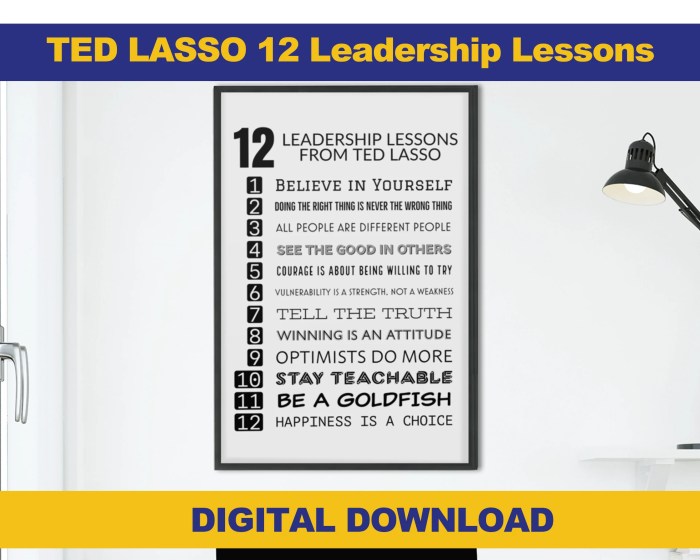
Motivating a team and fostering a strong sense of camaraderie are crucial for achieving collective goals. A motivated team is more productive, innovative, and resilient in the face of challenges. This section explores various motivational theories and practical strategies for building a high-performing team.
Motivational Theories and Their Application
Understanding different motivational theories allows leaders to tailor their approach to individual team members and the overall team dynamic. Three prominent theories are Maslow’s Hierarchy of Needs, Herzberg’s Two-Factor Theory, and Expectancy Theory.
Maslow’s Hierarchy of Needs posits that individuals are motivated by a hierarchy of needs, starting from basic physiological needs (like salary and safe working conditions) to self-actualization (the need for personal growth and fulfillment). In a team setting, leaders can apply this by ensuring basic needs are met, providing opportunities for professional development, and recognizing individual contributions to foster a sense of accomplishment.
Herzberg’s Two-Factor Theory distinguishes between hygiene factors (like company policies and working conditions) and motivators (like achievement and recognition). Hygiene factors prevent dissatisfaction, while motivators drive satisfaction and motivation. Leaders can apply this by improving working conditions and providing opportunities for challenging assignments, recognition, and advancement to enhance team motivation.
Expectancy Theory suggests that motivation is a function of expectancy (belief that effort will lead to performance), instrumentality (belief that performance will lead to rewards), and valence (the value placed on the rewards). Leaders can apply this by setting clear goals, providing regular feedback, and ensuring that rewards are aligned with team members’ values and expectations. For example, clear performance metrics and a transparent reward system will improve the expectancy and instrumentality factors.
Team-Building Activity: The “Blindfolded Obstacle Course”
This activity aims to improve collaboration, communication, and trust within the team. The objective is for teams of four to navigate a simple obstacle course while one team member is blindfolded and guided solely by the verbal instructions of their teammates.
Materials: Simple obstacles (cones, chairs, ropes), blindfolds.
Procedure: Divide the team into groups of four. One member is blindfolded. The other three guide the blindfolded member through the obstacle course using only verbal instructions. The activity is timed, encouraging efficient communication and collaboration. After each team completes the course, a debriefing session discusses challenges faced, successful strategies, and the importance of clear communication and trust.
Expected Outcomes: Improved communication skills, enhanced trust among team members, increased understanding of individual strengths and weaknesses, and a stronger sense of teamwork.
Recognizing and Rewarding Achievements
Recognizing and rewarding both individual and team achievements is vital for maintaining motivation and fostering a positive team environment. Rewards should be tailored to individual preferences and align with company values.
Examples of Reward Systems: Bonuses, promotions, public acknowledgment (e.g., employee of the month awards), extra time off, opportunities for professional development, team lunches, gift cards, flexible work arrangements. A well-rounded reward system incorporates both tangible and intangible rewards to cater to a diverse workforce.
Fostering a Positive and Supportive Team Environment
Creating a positive and supportive environment where everyone feels valued and respected is essential for team motivation. This involves active listening, open communication, providing constructive feedback, celebrating successes, and addressing conflicts constructively. Regular team meetings, social events, and opportunities for informal interaction can further strengthen team cohesion and morale.
Leadership Styles and Their Impact on Team Motivation
Different leadership styles impact team motivation in various ways. The most effective style often depends on the specific team, task, and organizational context.
| Leadership Style | Impact on Team Motivation |
|---|---|
| Transformational Leadership | High motivation through inspiration, vision, and empowerment. Focuses on long-term goals and individual growth. |
| Transactional Leadership | Motivation through rewards and punishments. Focuses on short-term goals and compliance. |
| Laissez-faire Leadership | Can lead to low motivation due to lack of direction and guidance. Suitable only in specific situations with highly skilled and self-motivated individuals. |
| Servant Leadership | High motivation through prioritizing team needs and fostering collaboration. Focuses on empowering team members and building trust. |
Last Point
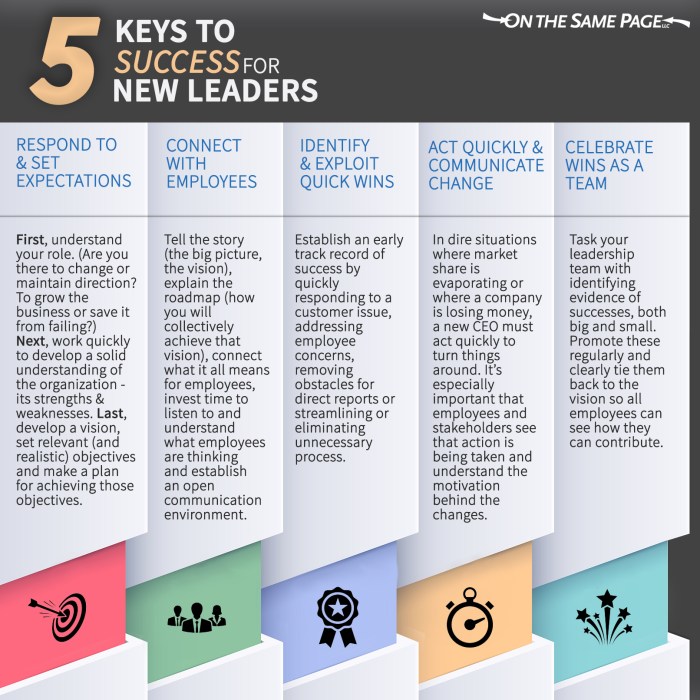
Ultimately, successful team management hinges on effective communication, empowerment, and motivation. By implementing these ten leadership tips, you can create a positive and productive work environment where team members feel valued, supported, and empowered to contribute their best. Remember, leadership is not just about assigning tasks; it’s about fostering collaboration, building trust, and inspiring your team to achieve extraordinary results. Continuously refine your approach, adapt to changing circumstances, and prioritize the growth and well-being of your team members.