Effective time management is crucial for leaders navigating the complexities of modern workplaces. This guide offers five practical strategies to help you prioritize tasks, optimize your schedule, and empower your team, ultimately leading to increased productivity and reduced stress. We’ll explore proven techniques to help you reclaim control of your time and achieve your leadership goals.
From mastering prioritization matrices to leveraging the power of delegation, we’ll equip you with the tools and knowledge to become a more efficient and effective leader. This isn’t about working harder; it’s about working smarter, focusing your energy on high-impact activities, and fostering a more productive team environment.
Prioritization Techniques for Leaders

Effective time management for leaders hinges on skillful prioritization. Juggling multiple responsibilities, competing demands, and strategic goals requires a systematic approach to ensure the most impactful tasks receive the necessary attention. This section explores several prioritization methods to help leaders optimize their time and maximize their effectiveness.
The Eisenhower Matrix: Urgent/Important Prioritization
The Eisenhower Matrix, also known as the Urgent/Important Matrix, is a powerful tool for prioritizing tasks based on their urgency and importance. This method helps leaders differentiate between tasks that demand immediate attention and those that contribute to long-term goals. The matrix categorizes tasks into four quadrants:
| Task | Urgency | Importance | Priority |
|---|---|---|---|
| Respond to a critical client email | High | High | Do First |
| Attend an urgent meeting | High | Low | Delegate or Schedule |
| Develop a long-term strategic plan | Low | High | Schedule |
| Check social media | Low | Low | Eliminate |
For example, a leader might use the Eisenhower Matrix to manage their daily schedule. A critical client issue requiring immediate resolution would fall into the “Do First” quadrant (high urgency, high importance). A less critical meeting could be delegated or scheduled for a later time (high urgency, low importance). Developing a long-term strategic plan, while crucial for the company’s success, might be scheduled for a dedicated time slot (low urgency, high importance). Finally, less important tasks like checking social media should be eliminated or minimized (low urgency, low importance).
Three Prioritization Methods and Their Application
Leaders can benefit from employing different prioritization methods depending on their leadership style and the specific context. Here are three examples:
1. Pareto Principle (80/20 Rule): This method focuses on identifying the 20% of tasks that yield 80% of the results. For a results-oriented leader, focusing on high-impact activities is key. For instance, a sales leader might prioritize the 20% of clients contributing 80% of revenue, dedicating more time and resources to nurturing these relationships.
2. MoSCoW Method: This approach categorizes tasks into four categories: Must have, Should have, Could have, and Won’t have. This structured approach is particularly beneficial for project management and collaborative environments. A project manager might use this method to prioritize features for a new software release, ensuring critical functionalities are delivered first.
3. Value vs. Effort Matrix: This method plots tasks based on their value and the effort required to complete them. Leaders can quickly identify high-value, low-effort tasks that should be prioritized, followed by high-value, high-effort tasks requiring careful planning and resource allocation. A marketing leader might use this to prioritize campaigns based on predicted ROI and resource commitment.
Effective Time Blocking and Scheduling Strategies

Effective time management is crucial for leaders, and a key strategy is employing time blocking and scheduling techniques. This approach involves allocating specific time slots for various tasks and activities, promoting focus and minimizing wasted time. By proactively scheduling your day, you can better control your workload and prevent feeling overwhelmed.
Time blocking isn’t just about filling your calendar; it’s about strategically planning your day to maximize productivity and minimize stress. It’s a proactive approach to time management that allows you to consciously allocate time for both work and personal life, ensuring a better work-life balance. This structured approach fosters a sense of control and accomplishment, leading to increased efficiency and reduced stress levels.
A Sample Weekly Schedule for a Leader
The following example demonstrates a sample weekly schedule incorporating time blocking for meetings, focused work, and personal time. Remember, this is a template; you need to adapt it to your specific responsibilities and preferences. The key is to be realistic and allocate sufficient time for each task.
- Monday:
- 8:00 AM – 9:00 AM: Review emails and prioritize tasks.
- 9:00 AM – 12:00 PM: Focused work on strategic project (Project Alpha).
- 12:00 PM – 1:00 PM: Lunch.
- 1:00 PM – 2:30 PM: Team meeting.
- 2:30 PM – 4:00 PM: Client calls.
- 4:00 PM – 5:00 PM: Administrative tasks.
- 5:00 PM onwards: Personal time.
- Tuesday:
- 8:00 AM – 9:00 AM: Review emails and prioritize tasks.
- 9:00 AM – 11:00 AM: Focused work on Project Alpha.
- 11:00 AM – 12:00 PM: One-on-one meetings with team members.
- 12:00 PM – 1:00 PM: Lunch.
- 1:00 PM – 3:00 PM: Prepare for upcoming presentation.
- 3:00 PM – 4:00 PM: Networking event (external).
- 4:00 PM onwards: Personal time.
- Wednesday – Friday: Similar structure to Monday and Tuesday, adjusting tasks based on priorities and deadlines. Include buffer time for unexpected tasks.
Benefits of Time Blocking
Time blocking offers numerous benefits, significantly contributing to reduced stress and improved productivity. By scheduling your day, you create a clear framework for your activities, reducing decision fatigue and the associated stress of constantly choosing what to do next. This proactive approach helps you focus on high-priority tasks, leading to increased efficiency and a greater sense of accomplishment. It also allows for better integration of personal time, improving work-life balance and preventing burnout.
Implementing a Time-Blocking System
Implementing a time-blocking system involves a structured approach. Begin by identifying your key tasks and priorities for the week. Then, allocate specific time blocks for each task, considering your energy levels and concentration spans. It’s crucial to be realistic about how long tasks will take, adding buffer time for unexpected interruptions or delays. Regularly review and adjust your schedule as needed, ensuring flexibility to accommodate changing priorities.
- Prioritize Tasks: Identify your most important tasks and assign them to the times of day when you are most productive.
- Allocate Time Blocks: Schedule specific time blocks for each task, including meetings, focused work, and personal time. Be realistic about time estimates.
- Use a Calendar or Planner: Utilize a digital or physical calendar or planner to visually represent your schedule. This helps you stay organized and track your progress.
- Build in Buffer Time: Include buffer time between tasks to account for unexpected interruptions or delays. This prevents tasks from spilling over into other scheduled activities.
- Review and Adjust: Regularly review and adjust your schedule as needed. Be flexible and willing to make changes based on your changing priorities and workload.
- Handle Interruptions: Establish clear boundaries to minimize interruptions. If an interruption occurs, reschedule the affected task or briefly address the interruption before returning to your planned activity. Consider dedicated time slots for handling emails or other less-demanding tasks.
Delegation and Empowerment for Time Management
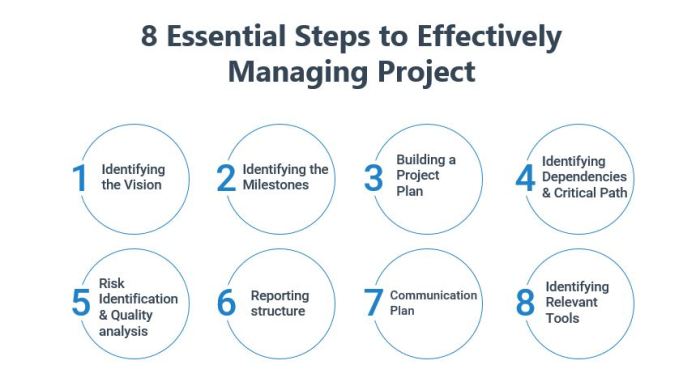
Effective delegation is not simply offloading tasks; it’s a strategic tool for maximizing your time and fostering team growth. By strategically assigning responsibilities, leaders free themselves to focus on higher-level activities while simultaneously developing the skills and confidence of their team members. This approach significantly impacts both individual productivity and overall team efficiency.
Delegating effectively requires careful consideration of which tasks are suitable for delegation and which demand your personal attention. This involves understanding your team’s capabilities and the complexity of the task at hand. The process of empowerment through delegation creates a more engaged and productive workforce.
Suitable Tasks for Delegation
Choosing which tasks to delegate requires a clear understanding of your own strengths, weaknesses, and the capabilities of your team. Prioritize delegating tasks that are routine, repetitive, or those that can be effectively handled by someone with the necessary skills and experience. Retaining tasks that require your specialized expertise, involve significant strategic decision-making, or demand a high degree of confidentiality is crucial for maintaining control and quality.
- Routine tasks: Data entry, scheduling appointments, preparing reports, proofreading documents.
- Repetitive tasks: Following up on client inquiries, sending routine emails, processing invoices.
- Tasks requiring specific skills: Graphic design (if a team member possesses the relevant skills), social media management, content creation.
Effective Communication and Expectation Setting
Clear communication is paramount to successful delegation. Ambiguity breeds frustration and inefficiency. When delegating a task, provide clear instructions, outlining the desired outcome, deadlines, and any specific requirements. This ensures that the delegated task is completed accurately and efficiently, aligned with your expectations.
- Provide clear instructions: Use concise language, avoid jargon, and ensure the team member understands the task’s purpose and importance.
- Set realistic deadlines: Allow sufficient time for completion, considering the complexity of the task and the team member’s workload.
- Establish clear communication channels: Designate a method for regular updates and feedback, enabling you to monitor progress and address any issues promptly.
- Example: Instead of saying “Take care of the client report,” say, “Prepare a client report summarizing Q3 sales figures. Include a detailed analysis of market trends and projected growth. The report should be completed by Friday at 5 pm. Please let me know if you encounter any difficulties.”
Empowering Team Members Through Delegation
Delegation is not simply about assigning tasks; it’s about empowering your team members to take ownership and develop their skills. When you trust your team with responsibilities, you foster a sense of ownership and increase their engagement. This, in turn, boosts team morale and improves overall efficiency. Empowered team members are more likely to be proactive, innovative, and invested in the success of the team. By providing opportunities for growth and development, you cultivate a high-performing and motivated team. A successful delegation strategy leads to increased team productivity, improved skill development within the team, and reduced workload for the leader.
Concluding Remarks

Mastering your time as a leader isn’t just about personal efficiency; it’s about creating a ripple effect of productivity throughout your organization. By implementing the strategies Artikeld – prioritizing effectively, strategically blocking time, and empowering your team through delegation – you can significantly improve both your own performance and the overall success of your team. Remember, effective time management is an ongoing process, requiring consistent effort and adaptation. Embrace the journey, and watch your leadership impact grow.