Feeding a large group can feel daunting, transforming a joyful gathering into a logistical nightmare. However, with careful planning and efficient techniques, cooking for a crowd becomes manageable and even enjoyable. This guide provides six essential tips to streamline the process, from menu planning and efficient shopping to mastering large-batch cooking and creating an appealing buffet.
We’ll explore strategies for scaling recipes, utilizing various cooking appliances effectively, and maintaining food safety throughout the preparation and serving stages. By the end, you’ll be confident in your ability to host memorable events with delicious food, minimizing stress and maximizing enjoyment for both you and your guests.
Planning & Preparation
Cooking for a crowd requires meticulous planning and preparation to ensure a smooth and enjoyable experience. Success hinges on a well-defined menu, a realistic timeline, and efficient resource management. Failing to plan adequately can lead to stress, rushed cooking, and potentially subpar results. This section details strategies for mastering the menu, creating a preparation timeline, and optimizing grocery shopping for large-scale cooking.
Menu Planning and Recipe Scaling
A detailed menu is crucial. For a gathering of 20 people, consider a balanced menu with a variety of dishes. This might include a main course (e.g., roasted chicken with lemon and herbs, serving 20), two side dishes (e.g., roasted vegetables and a large green salad, each serving 20), and a dessert (e.g., a sheet cake, enough for 20 slices). Ensure you have recipes that can easily be scaled up to serve the required number of people. Remember to adjust cooking times accordingly when increasing quantities. For instance, a recipe for roasted chicken for four people will require longer cooking time when preparing for twenty.
Preparation Timeline
A visual schedule helps manage the cooking process effectively. The following table illustrates a sample timeline, adaptable to your specific menu and resources. Remember to account for potential delays and build in buffer time.
| Task | Start Time | End Time | Notes |
|---|---|---|---|
| Grocery Shopping | 1 day before | 1 day before | Check unit prices and buy in bulk where appropriate. |
| Prepare Vegetables (chop, wash) | 12:00 PM day before | 2:00 PM day before | Store chopped vegetables in airtight containers in the refrigerator. |
| Marinate Chicken | 2:00 PM day before | 2:30 PM day before | Refrigerate overnight for optimal flavor. |
| Preheat Oven | 6:00 PM event day | 6:05 PM event day | Ensure oven is ready for roasting. |
| Roast Chicken | 6:05 PM event day | 7:05 PM event day | Check for doneness using a meat thermometer. |
| Roast Vegetables | 6:30 PM event day | 7:15 PM event day | Ensure even roasting and tender vegetables. |
| Prepare Salad | 7:00 PM event day | 7:15 PM event day | Toss with dressing just before serving. |
| Serve Dinner | 7:30 PM event day | 8:30 PM event day | Enjoy! |
Efficient Grocery Shopping
Creating a comprehensive shopping list based on your scaled-up recipes is essential. Categorize items by grocery store aisle to streamline your shopping trip. Compare unit prices to find the best value; buying in bulk can often save money, but only if you’ll use the entire quantity before spoilage. For example, compare the price per ounce of a large bag of potatoes to the price per ounce of smaller bags. Consider using store coupons or loyalty programs to further reduce costs.
Food Safety and Storage
Prioritize food safety throughout the preparation and cooking stages. Wash hands frequently, especially before and after handling raw meat and vegetables. Use separate cutting boards for raw meat and produce to prevent cross-contamination. Refrigerate perishable items promptly. Ensure meat is cooked to a safe internal temperature, using a food thermometer to verify. Follow proper storage guidelines for leftovers to prevent bacterial growth. For example, refrigerate leftovers within two hours of cooking. Label and date containers for easy tracking.
Cooking Techniques for Large Quantities
Scaling up recipes for a crowd requires careful consideration of both ingredient ratios and cooking methods. Successfully feeding many people delicious food hinges on understanding how different recipes behave when multiplied and leveraging equipment to streamline the process. This section will explore efficient techniques and equipment choices for large-scale cooking.
Scaling Recipes for Large Quantities
Three primary methods exist for scaling recipes: the simple multiplication method, the ratio method, and the yield-based method. Each has its strengths and weaknesses depending on the recipe’s complexity and the ingredients involved.
- Simple Multiplication: This involves multiplying all ingredients by the same factor (e.g., multiplying a recipe for four by 2.5 to serve ten). This is easiest for simple recipes with few ingredients and minimal interactions between them. For example, a basic pasta sauce scales well using this method. However, it can lead to inconsistencies in recipes with complex flavor profiles or delicate ingredient balances. A cake recipe, for instance, might require adjustments even with simple multiplication due to the interplay of ingredients like baking powder and leavening agents.
- Ratio Method: This approach focuses on maintaining the ratios between ingredients. Instead of simply multiplying quantities, you recalculate each ingredient’s proportion relative to the total recipe weight or volume. This method is particularly useful for recipes with a significant number of ingredients and subtle flavor balances, such as a complex curry or a sophisticated soup. While more precise, it requires more calculation than simple multiplication.
- Yield-Based Method: This method starts with the desired yield (the final amount of food) and works backward to determine the necessary ingredient quantities. Recipes often list the yield, so you can use this information to scale up proportionally. This is ideal for recipes where the yield is critical, such as bread making. However, it might require more advanced culinary knowledge to adjust other factors (e.g., baking time) to match the increased yield.
Efficient Cooking Methods for Large Batches
Large-scale cooking benefits significantly from using equipment designed for high volume. Slow cookers, pressure cookers, and large ovens each offer unique advantages.
- Slow Cookers: Ideal for braises, stews, and chili, slow cookers excel at low and slow cooking, creating tender, flavorful dishes with minimal attention. Their large capacity makes them perfect for large gatherings, but they are limited in their ability to sear or brown ingredients quickly. A large batch of pulled pork, for example, is well-suited to a slow cooker.
- Pressure Cookers: These appliances significantly reduce cooking time by using high pressure and steam. They are excellent for tough cuts of meat, beans, and rice, allowing for quick preparation of large quantities. However, they might not be ideal for dishes that require delicate handling or browning, and some ingredients might not fare well under high pressure. A large batch of lentil soup can be efficiently made using a pressure cooker.
- Large Ovens: Commercial-grade or extra-large home ovens provide the capacity to cook multiple dishes simultaneously or large baking sheets. They are versatile, accommodating various cooking methods, but require careful monitoring of temperature and cooking times to ensure even cooking. Multiple roasting pans of vegetables or a large quantity of cookies are well-suited to a large oven.
Workflow for Using Multiple Cooking Appliances
Imagine preparing a Thanksgiving feast for 20. A well-planned workflow using multiple ovens and other appliances is crucial.
A visual workflow diagram would show:
* Oven 1: Large turkey roasting.
* Oven 2: Multiple pans of roasted vegetables (potatoes, carrots, Brussels sprouts) staggered to ensure even cooking.
* Slow Cooker 1: Cranberry sauce.
* Slow Cooker 2: Mashed sweet potatoes.
* Stovetop: Gravy preparation.
This staggered approach ensures efficient use of all appliances and prevents overcrowding of individual units. Tasks are sequenced to optimize cooking times and minimize idle time for equipment.
Comparing Cooking Equipment
Choosing the right equipment depends on the dish.
- Large Stockpots vs. Multiple Smaller Pots: For large batches of soups, stews, or pasta sauces, a large stockpot is efficient. It minimizes the number of pots to wash and provides even heating. However, for dishes requiring different cooking times or temperatures, multiple smaller pots offer greater control and prevent overcooking some components while others are still undercooked. For example, a large stockpot is great for chili, but preparing different vegetable side dishes might necessitate smaller pots for precise temperature control.
Serving & Presentation
Creating an appealing and efficient buffet for a crowd requires careful planning and execution. A well-organized buffet not only ensures guests can easily serve themselves but also enhances the overall dining experience. This section will Artikel strategies for setting up, maintaining, and presenting a visually attractive and functional buffet.
Buffet Setup and Organization
Setting up a buffet involves a logical flow to minimize congestion and maximize guest access. Consider the space available and arrange the food in a way that encourages a smooth, one-way traffic pattern. Start with utensils and napkins at the beginning, followed by appetizers, main courses, side dishes, and finally, desserts. This progression allows guests to build their plates efficiently. Ensure adequate space between serving dishes to prevent accidental spills and allow for comfortable movement.
- Start with Utensils and Napkins: Place these at the beginning of the buffet line for easy access.
- Appetizers: Position these at the start to encourage guests to begin with lighter options.
- Main Courses: Arrange these centrally and prominently, ensuring ample space for serving.
- Side Dishes: Place these strategically near the main courses for easy pairing.
- Desserts: Position these at the end of the line, offering a sweet conclusion to the meal.
- Beverages: Provide a separate station for drinks, ideally with ice and cups readily available.
Maintaining Food Safety and Temperature
Maintaining food safety and appropriate temperatures is crucial when serving a large group. Hot foods should be kept at or above 140°F (60°C), while cold foods should remain at or below 40°F (4°C). Use chafing dishes or warming trays for hot food and ice baths or refrigerated containers for cold items. Clearly label all dishes with their contents and any potential allergens. Regularly replenish food items to ensure there is always an adequate supply. Discard any food that has been left at unsafe temperatures for an extended period.
Aesthetic Buffet Presentation
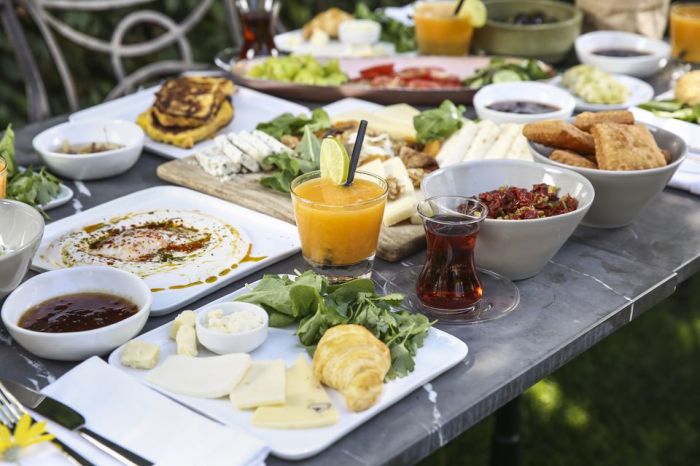
Visual appeal significantly enhances the dining experience. Use a variety of serving dishes and platters to create visual interest. Consider height and texture by using tiered stands or varying the heights of the dishes. Simple garnishes can elevate the presentation. For example, a sprig of parsley on a platter of roasted vegetables or a few lemon wedges alongside grilled fish can add a touch of elegance. Ensure that the buffet table itself is clean and well-presented, using a tablecloth or runner to create a cohesive look. Consistent labeling, using clear and legible fonts, also contributes to a professional and organized appearance. A visually appealing buffet creates a welcoming atmosphere and enhances the overall enjoyment of the meal.
Last Recap
Mastering the art of cooking for a crowd is about more than just preparing enough food; it’s about creating a seamless and enjoyable experience. By implementing the six tips Artikeld in this guide – from meticulous planning and efficient cooking techniques to thoughtful buffet presentation – you can transform the potential chaos of a large gathering into a smoothly run and delicious event. Remember, preparation is key, and with a little organization, you can confidently tackle any culinary challenge, leaving you free to enjoy the company of your guests.