Cultivating strong customer relationships is paramount for business success. It’s not just about making a sale; it’s about building lasting connections that foster loyalty and drive sustainable growth. This guide provides six key strategies to help you effectively manage your customer relationships, from understanding your target audience to resolving conflicts efficiently. We’ll explore proven methods for enhancing communication, gathering valuable feedback, and ultimately, turning satisfied customers into brand advocates.
By implementing these practical tips, you’ll be well-equipped to navigate the complexities of customer interaction, transforming challenges into opportunities for strengthening your business and building a thriving customer base. We’ll delve into the specifics of understanding your customers, building strong relationships, and effectively managing issues and feedback, providing actionable steps you can implement immediately.
Understanding Your Customers

Effective customer relationship management begins with a deep understanding of your customer base. Knowing your customers allows for personalized communication, targeted marketing, and ultimately, increased customer loyalty and retention. This section will explore key aspects of understanding your customer profile, persona, and segmentation.
Defining the Ideal Customer Profile
Three key characteristics define a successful ideal customer profile (ICP): demographics, psychographics, and buying behavior. Demographics include readily quantifiable aspects like age, location, income, and occupation. Psychographics delve into the customer’s values, lifestyle, interests, and attitudes. Finally, understanding buying behavior encompasses factors such as purchase frequency, preferred channels, and average order value. A well-defined ICP helps focus marketing efforts and resource allocation.
Developing a Customer Persona
Let’s create a hypothetical customer persona for a company selling artisanal coffee beans online: Meet “Sarah,” a 32-year-old marketing professional living in a major metropolitan area. Sarah earns a comfortable salary, values sustainability and ethical sourcing, and enjoys trying new things. She typically purchases coffee beans online every two weeks, preferring single-origin varieties and paying a premium for high-quality products. Sarah actively engages on social media, particularly Instagram, and is influenced by online reviews and influencer recommendations. This detailed persona allows for targeted marketing messages and content creation.
Customer Base Segmentation
Segmenting your customer base allows for more effective communication and personalized experiences. Different segments will respond differently to marketing efforts, requiring tailored approaches. For example, a coffee company might segment customers based on their purchase frequency (high, medium, low), preferred coffee type (espresso, drip, cold brew), or their engagement level with the brand’s social media channels. This allows for customized email campaigns, product recommendations, and loyalty programs.
Comparison of Customer Segmentation Methods
| Method | Description | Advantages | Disadvantages |
|---|---|---|---|
| Demographic Segmentation | Dividing customers based on measurable characteristics like age, gender, income, and location. | Easy to implement, readily available data. | Can lead to broad generalizations and overlook nuanced customer needs. |
| Behavioral Segmentation | Grouping customers based on their actions, such as purchase history, website activity, and engagement with marketing campaigns. | Highly targeted, allows for personalized recommendations and offers. | Requires sophisticated data analysis and tracking capabilities. |
| Psychographic Segmentation | Segmenting based on customers’ values, lifestyles, interests, and attitudes. | Provides deep insights into customer motivations and preferences. | Data collection can be challenging and subjective. |
| Geographic Segmentation | Dividing customers based on their location, such as country, region, or city. | Allows for localized marketing campaigns and product offerings. | May not be relevant for businesses with a global reach. |
Building Strong Relationships
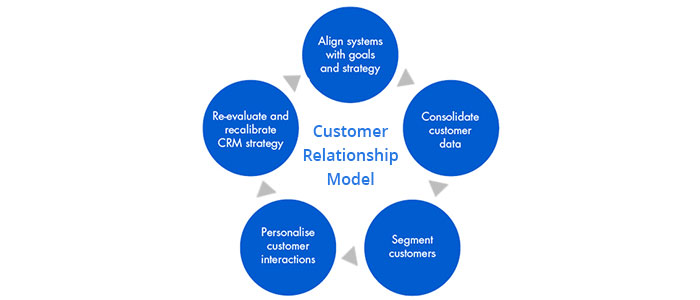
Building strong customer relationships is crucial for long-term business success. It moves beyond simple transactions and fosters loyalty, resulting in repeat business and positive word-of-mouth referrals. By proactively engaging with customers and demonstrating genuine care, businesses can cultivate lasting partnerships that benefit both parties.
Proactive Customer Engagement Strategies
Investing in proactive customer engagement significantly enhances the customer experience and strengthens relationships. These strategies go beyond reacting to customer inquiries and focus on building rapport and fostering loyalty.
- Personalized communication: Tailoring messages to individual customer preferences and past interactions demonstrates a genuine interest in their needs. For example, sending birthday greetings or offering product recommendations based on past purchases shows that you value the customer as an individual.
- Loyalty programs: Rewarding repeat customers with exclusive benefits, discounts, or early access to new products encourages continued engagement and builds loyalty. A tiered system with increasing rewards for higher levels of engagement further incentivizes customer retention.
- Proactive problem-solving: Identifying and addressing potential issues before they escalate demonstrates a commitment to customer satisfaction. This might involve proactively contacting customers who have experienced a recent issue or offering assistance based on common problems experienced by similar customer segments.
- Exclusive content and events: Providing customers with access to exclusive content, such as webinars, early access to sales, or invitations to special events, creates a sense of community and strengthens the bond between the business and its customers. This fosters a feeling of belonging and appreciation.
- Social media engagement: Actively engaging with customers on social media platforms allows businesses to build relationships, respond to feedback, and participate in conversations related to their industry. This can involve responding to comments and messages promptly, participating in relevant discussions, and running engaging contests or giveaways.
Effective Communication Channels
Selecting the right communication channels is vital for building strong customer relationships. Different channels cater to different customer preferences and communication styles.
- Email marketing: Email allows for personalized messaging and targeted campaigns. Its benefits include the ability to segment audiences, track open and click-through rates, and nurture leads over time. For example, a welcome email series can introduce new customers to your brand and guide them through your products or services.
- Social media: Platforms like Facebook, Instagram, and Twitter provide opportunities for real-time engagement and two-way communication. Responding promptly to comments and messages and fostering a sense of community builds trust and strengthens relationships. A successful example would be a company actively answering customer queries and addressing concerns on their Facebook page.
- Live chat: Offering live chat support on your website provides immediate assistance and enhances customer satisfaction. This allows for quick resolution of issues and a more personalized experience. For instance, a live chat option on an e-commerce website can help customers with questions about products or the checkout process.
Customer Onboarding Process for Fostering Loyalty
A well-designed customer onboarding process lays the foundation for a strong and lasting relationship. It should focus on providing a positive first impression and setting clear expectations.
A successful onboarding process might include a welcome email series, a personalized introductory call, interactive tutorials or FAQs, and proactive follow-up to ensure customer success. This ensures the customer feels valued and supported from the very beginning, fostering loyalty and encouraging repeat business. For instance, a software company might provide video tutorials and interactive guides to help new users navigate the platform effectively.
Methods for Gathering and Utilizing Customer Feedback
Gathering and acting on customer feedback is essential for continuous improvement and strengthening customer relationships. This demonstrates a commitment to customer satisfaction and provides valuable insights for enhancing products and services.
- Surveys: Online surveys can gather quantitative and qualitative data about customer satisfaction, preferences, and pain points. Analyzing survey results can reveal areas for improvement and inform strategic decisions.
- Social media monitoring: Tracking brand mentions and customer feedback on social media platforms can provide valuable insights into customer sentiment and identify potential issues. This allows for prompt responses and proactive problem-solving.
- Customer reviews: Encouraging customers to leave reviews on platforms like Google, Yelp, or Trustpilot provides valuable feedback and influences potential customers. Responding to reviews, both positive and negative, demonstrates a commitment to customer satisfaction.
- Focus groups: Conducting focus groups allows for in-depth discussions and gathering rich qualitative data. This can provide a deeper understanding of customer needs and preferences.
- Customer interviews: One-on-one interviews allow for personalized feedback and a deeper understanding of individual customer experiences. This provides valuable qualitative data that can be used to improve products and services.
Managing Customer Issues and Feedback

Effective management of customer issues and feedback is crucial for building trust and loyalty. A proactive approach, focusing on efficient resolution and leveraging feedback for improvement, significantly impacts customer satisfaction and business growth. Ignoring customer concerns can lead to negative reviews, reputational damage, and ultimately, lost revenue.
Systematic Approach to Handling Customer Complaints
A systematic approach ensures consistent and professional handling of customer complaints. This involves acknowledging the complaint promptly, actively listening to understand the issue, and empathizing with the customer’s frustration. Next, clearly Artikel the steps to resolve the issue, setting realistic expectations for a timeline. Regular updates keep the customer informed and demonstrate a commitment to resolution. Finally, follow up after the issue is resolved to gauge satisfaction and identify any further needs. This structured approach minimizes escalation and fosters positive customer relationships. For example, a company might use a ticketing system to track complaints, ensuring each receives a unique ID and assigned to the appropriate department.
Using Customer Feedback for Service Improvement
Customer feedback, whether positive or negative, provides invaluable insights for service improvement. Analyzing feedback trends can pinpoint recurring issues or areas needing attention. For instance, consistent negative feedback regarding slow delivery times might indicate a need to optimize the logistics process. Conversely, positive feedback highlighting exceptional customer service can reinforce best practices and highlight employees deserving recognition. This data-driven approach allows for targeted improvements, leading to increased customer satisfaction and operational efficiency. The feedback can be gathered through surveys, reviews, social media monitoring, and direct customer interactions.
Comparison of Dispute Resolution Methods: Mediation and Arbitration
Two common methods for resolving customer disputes are mediation and arbitration. Mediation involves a neutral third party facilitating communication between the customer and the business to reach a mutually agreeable solution. Strengths include preserving the relationship and offering a cost-effective solution. However, it relies on the willingness of both parties to cooperate, and a solution may not always be reached. Arbitration, on the other hand, involves a neutral third party making a binding decision. This offers a more definitive outcome but can be more costly and less flexible than mediation. The choice between these methods depends on the complexity of the dispute, the relationship between the parties, and the desired outcome. For example, a small-scale disagreement might be best suited for mediation, while a significant legal dispute might necessitate arbitration.
Step-by-Step Escalation Procedure for Complex Issues
For complex customer issues requiring specialized expertise or higher-level intervention, a clear escalation procedure is vital. The first step typically involves attempting resolution at the initial contact point. If the issue remains unresolved, it should be escalated to a supervisor or team leader. Documentation at each stage is crucial, including the nature of the complaint, actions taken, and the outcome. In cases requiring further escalation, the issue might be referred to a dedicated customer service department or even legal counsel. This structured approach ensures timely resolution, prevents bottlenecks, and protects the company’s reputation. For instance, a persistent technical issue might initially be handled by a tech support agent, then escalated to a senior engineer, and finally to the product development team if a software bug is identified.
Last Recap
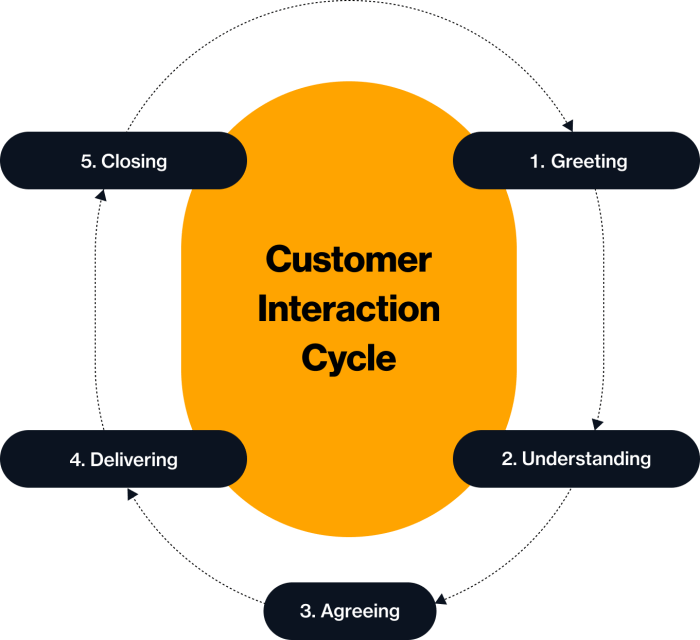
Mastering the art of customer relationship management is an ongoing journey, requiring consistent effort and a genuine commitment to understanding and valuing your customers. By applying the strategies Artikeld—from understanding your ideal customer profile to proactively gathering feedback and resolving issues efficiently—you can cultivate a loyal customer base, build a strong brand reputation, and ultimately, drive sustainable business success. Remember, investing in your customer relationships is an investment in the future of your business.