Navigating the complexities of a multi-generational workforce can be challenging. Different generations bring unique perspectives, communication styles, and work ethics to the table. This guide offers six practical tips to effectively manage employees from Baby Boomers to Gen Z, fostering collaboration and maximizing team productivity. Understanding these generational nuances is key to building a thriving and inclusive work environment.
We’ll explore the common communication styles and preferences of each generation, highlighting potential pitfalls and offering solutions for conflict resolution. We’ll delve into practical strategies for creating inclusive team dynamics, promoting effective communication, and leveraging the strengths of each generation to achieve shared goals. The aim is to equip managers with the tools necessary to lead diverse teams successfully.
Understanding Generational Differences in the Workplace
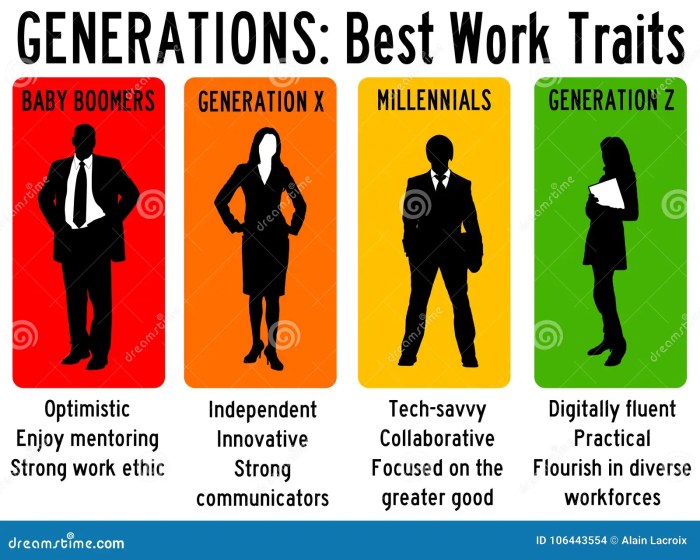
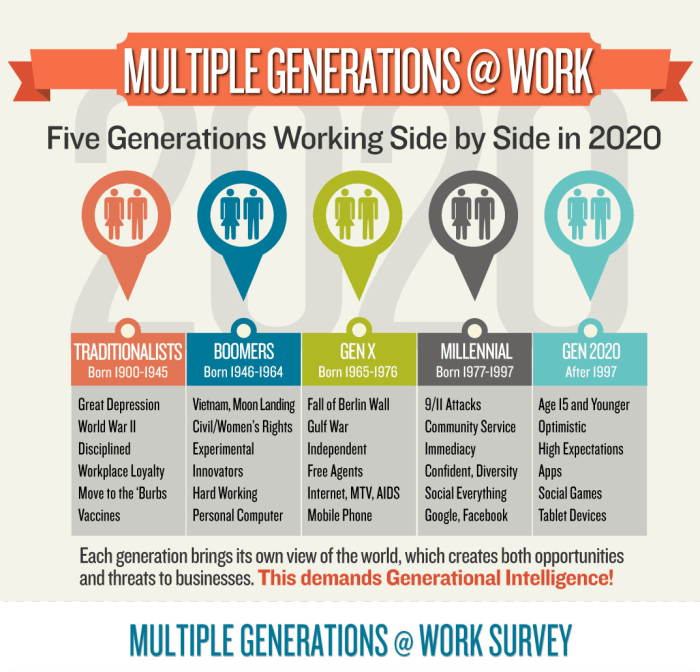
Navigating a multi-generational workforce requires understanding the unique characteristics of each generation. Their varying work styles, communication preferences, and values can significantly impact team dynamics and overall productivity. Recognizing these differences is crucial for effective management and fostering a collaborative work environment. This section will explore the key distinctions between Baby Boomers, Generation X, Millennials, and Generation Z, highlighting potential sources of conflict and common misconceptions.
Generational Work Styles and Communication Preferences
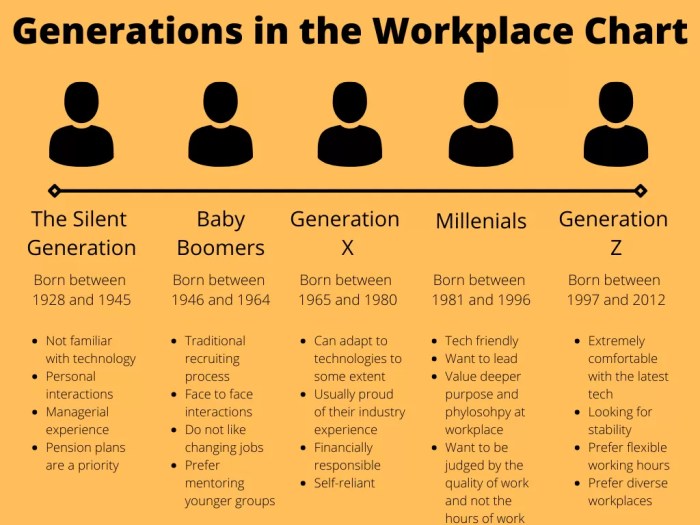
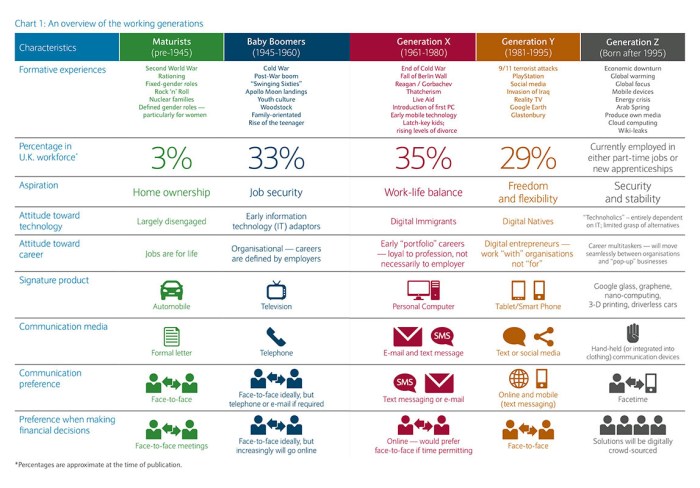
The following table summarizes the typical work styles and communication preferences of different generations. It’s important to remember these are generalizations, and individual variations exist within each generation.
| Generation | Work Style | Communication Preferences | Motivational Factors |
|---|---|---|---|
| Baby Boomers (born 1946-1964) | Loyal, hardworking, dedicated to their careers. Value face-to-face communication and established hierarchies. Often prefer formal methods of communication. | Face-to-face meetings, formal emails, phone calls. Value direct and clear communication. | Job security, recognition, opportunities for advancement. |
| Generation X (born 1965-1980) | Independent, resourceful, adaptable. Value efficiency and results. Comfortable with both independent and collaborative work. | Email, brief meetings, direct communication. Appreciates efficiency and avoids unnecessary meetings. | Autonomy, flexibility, work-life balance. |
| Millennials (born 1981-1996) | Collaborative, tech-savvy, values work-life integration. Seek feedback and mentorship. Often value purpose-driven work. | Email, instant messaging, social media, video conferencing. Values open communication and feedback. | Meaningful work, opportunities for growth and development, positive work environment. |
| Generation Z (born 1997-2012) | Tech-native, adaptable, entrepreneurial. Values diversity and inclusion. Focuses on results and efficiency. | Texting, social media, instant messaging. Values speed and efficiency in communication. May prefer asynchronous communication. | Purpose-driven work, opportunities for innovation, flexible work arrangements. |
Hypothetical Generational Conflict Scenario
Imagine a project team with Sarah (a Baby Boomer, project manager), and Mark (a Millennial, team member). Sarah prefers formal progress reports delivered via email at the end of each week. Mark, accustomed to constant communication and instant feedback, feels frustrated by the lack of regular updates and direct interaction. This leads to Mark feeling unheard and Sarah perceiving Mark as disorganized and lacking initiative. Their differing communication styles and expectations contribute significantly to the conflict. Sarah’s preference for formal reporting reflects her generational tendency towards established structures, while Mark’s desire for frequent updates is characteristic of Millennials’ preference for open communication and real-time feedback.
Common Generational Misconceptions and Their Impact on Team Dynamics
Common misconceptions about each generation can negatively impact team dynamics. For instance, Baby Boomers might be perceived as resistant to change or inflexible, while Millennials might be stereotyped as entitled or lacking work ethic. Generation X might be seen as cynical or disengaged, and Generation Z as overly reliant on technology. These stereotypes can lead to prejudice and hinder effective collaboration. Addressing these misconceptions through open communication and education is crucial for building a cohesive and productive team. By understanding the strengths and perspectives of each generation, managers can leverage the unique contributions of each individual, fostering a more inclusive and successful workplace.
Effective Communication Strategies Across Generations
Effective communication is the cornerstone of a successful and productive workplace, particularly when navigating the diverse perspectives and communication styles of multiple generations. Misunderstandings stemming from generational differences can lead to decreased team cohesion, reduced efficiency, and even conflict. Implementing strategies to bridge these communication gaps is crucial for fostering a collaborative and inclusive environment. This section will explore practical techniques to improve intergenerational communication.
Practical Communication Techniques for Bridging Generational Gaps
Understanding the nuances of communication across generations requires a multifaceted approach. Employing a combination of active listening, clear messaging, and thoughtful feedback mechanisms can significantly improve workplace interactions. The following techniques are designed to facilitate smoother communication and minimize misunderstandings.
- Active Listening: Actively listening involves fully concentrating on the speaker, showing genuine interest, and providing verbal and nonverbal cues to demonstrate understanding. This includes making eye contact, nodding, and summarizing the speaker’s points to confirm comprehension. It’s crucial to avoid interrupting or formulating a response before the speaker has finished. Active listening is particularly important when communicating with older generations who value face-to-face interaction and thoughtful responses.
- Clear and Concise Messaging: Avoid jargon, ambiguity, and overly complex language. Tailor your message to your audience’s preferred communication style. For example, younger generations might prefer short, direct messages, while older generations may appreciate more detailed explanations. Always consider the context and choose the most appropriate communication channel (email, instant message, face-to-face meeting).
- Constructive Feedback: Delivering feedback requires sensitivity and awareness of generational differences. Younger generations often prefer frequent, informal feedback, while older generations may prefer more formal, scheduled feedback sessions. Focus on specific behaviors and observable actions, avoiding generalizations or personal attacks. Frame feedback as an opportunity for growth and improvement.
- Utilizing Multiple Communication Channels: Recognize that different generations prefer different communication methods. While younger generations may favor instant messaging and video conferencing, older generations may prefer email or phone calls. Using a variety of channels ensures that everyone feels included and can easily access important information.
- Empathy and Understanding: Cultivating empathy and understanding is paramount. Actively try to see things from the other person’s perspective, considering their background and experiences. This involves recognizing that different generations may have different communication styles, priorities, and expectations. Showing respect for these differences will go a long way in fostering positive relationships.
Resolving Communication Breakdowns: A Step-by-Step Process
Even with the best intentions, communication breakdowns can occur. A structured approach to resolving these issues can minimize conflict and restore effective communication. The following flowchart illustrates a practical process.
[Flowchart Description: The flowchart would begin with a “Communication Breakdown Detected” box. This would branch into two boxes: “Identify the Root Cause” (e.g., differing communication styles, unclear instructions, lack of feedback) and “Involve Relevant Parties”. The “Identify the Root Cause” box would lead to a “Develop a Solution” box, while the “Involve Relevant Parties” box would connect to the “Facilitate Open Communication” box. Both “Develop a Solution” and “Facilitate Open Communication” boxes would converge at a “Implement Solution and Monitor” box. Finally, this would lead to a “Successful Resolution” box or a loop back to “Identify the Root Cause” if the solution proves ineffective. Each box would have short, descriptive labels.]
Adapting Communication Style to Different Generations
Effective communication requires adapting your style to resonate with each generation. Consider the following examples:
- Email Communication: When emailing younger generations, keep it concise and to the point, using bullet points and short paragraphs. For older generations, provide more context and detail, using a more formal tone.
- Meetings: When meeting with younger generations, use interactive methods and encourage participation. For older generations, maintain a structured agenda and ensure clear expectations.
- Informal Interactions: When interacting informally with younger generations, use casual language and incorporate humor. With older generations, maintain a respectful and professional demeanor, showing genuine interest in their perspectives.
Building Inclusive and Collaborative Teams
Creating a truly inclusive and collaborative work environment is crucial for harnessing the diverse talents and perspectives of a multi-generational team. By fostering a sense of belonging and actively promoting teamwork, organizations can unlock significant gains in productivity, innovation, and employee satisfaction. This involves understanding the unique strengths and needs of each generation and implementing strategies that cater to those differences.
Strategies for Fostering Inclusion and Belonging
Three key strategies are essential for building a sense of belonging and inclusion within a multi-generational team. First, establishing clear communication channels and protocols ensures everyone feels heard and valued. This might involve regular team meetings with structured agendas, open-door policies for managers, and the use of diverse communication platforms to accommodate different preferences. Second, implementing inclusive leadership practices is critical. Leaders should actively solicit feedback from all team members, demonstrate empathy and understanding towards diverse perspectives, and actively challenge biases within the team. Finally, providing opportunities for mentorship and reverse mentorship across generations helps build bridges and fosters mutual respect. Younger employees can benefit from the experience of older colleagues, while older employees can learn from the tech-savviness and innovative ideas of younger generations.
Team-Building Activities for Diverse Age Groups
Effective team-building activities are vital for fostering collaboration and mutual respect across generations. These activities should be carefully chosen to be engaging and inclusive for all age groups, avoiding activities that might inadvertently alienate or exclude certain individuals. Activities should also be designed to promote communication, problem-solving, and shared learning.
- Collaborative Problem-Solving Challenges: Escape rooms, online puzzles, or even a team-based project with a clear goal can encourage collaboration and shared decision-making. These activities require individuals to leverage each other’s strengths, fostering mutual respect and understanding. For example, a team might work together to solve a complex case study, combining the experience of older members with the innovative ideas of younger team members.
- Mentorship and Knowledge-Sharing Workshops: Structured workshops where employees from different generations can share their expertise and learn from one another create a valuable learning environment. This could involve pairing younger employees with more experienced colleagues for specific projects or creating a formal mentorship program.
- Social Events and Team Outings: Casual social gatherings, such as team lunches or informal after-work events, provide opportunities for team members to connect on a personal level, fostering camaraderie and understanding. Careful consideration should be given to choose activities that cater to a broad range of interests and preferences.
Creating a Culture that Values Generational Contributions
Cultivating a workplace culture that values the unique contributions of each generation requires a multifaceted approach. This involves creating opportunities for knowledge sharing, implementing mentorship programs, and promoting intergenerational communication.
A structured mentorship program, incorporating both formal and informal pairings, can facilitate the transfer of knowledge and skills across generations. Formal programs might involve structured meetings and assigned goals, while informal mentoring can arise organically through everyday interactions. Furthermore, establishing a culture of continuous learning and development helps all employees stay current and relevant, regardless of their age or experience. This could involve providing access to training programs, workshops, and online resources. Finally, celebrating the achievements and contributions of all team members, regardless of generation, reinforces the value of diversity and inclusion within the workplace. This could involve recognizing individual contributions in team meetings, company newsletters, or annual awards ceremonies.
Closure
Successfully managing a multi-generational workforce requires empathy, adaptability, and a commitment to inclusive leadership. By understanding the unique characteristics of each generation and implementing effective communication strategies, managers can cultivate a collaborative and productive work environment. Embracing diversity and leveraging the strengths of each generation not only fosters team cohesion but also drives innovation and organizational success. Remember that flexibility and open communication are key to bridging generational gaps and building a strong, unified team.