In today’s fast-paced world, prioritizing self-care often falls by the wayside. We’re constantly juggling work, family, and social commitments, leaving little time for activities that nurture our well-being. But self-care isn’t a luxury; it’s a necessity for maintaining physical and mental health. This guide provides practical strategies to effectively manage your time, ensuring you dedicate sufficient moments to self-care, ultimately leading to a more balanced and fulfilling life.
We’ll explore proven techniques like time blocking and mindful scheduling to integrate self-care into your daily routine. By understanding your personal needs and employing efficient time management strategies, you can create a sustainable self-care plan that fits seamlessly into your busy life. Discover how to overcome common obstacles, cultivate self-compassion, and reap the numerous benefits of consistent self-care practices.
Prioritizing Self-Care Activities
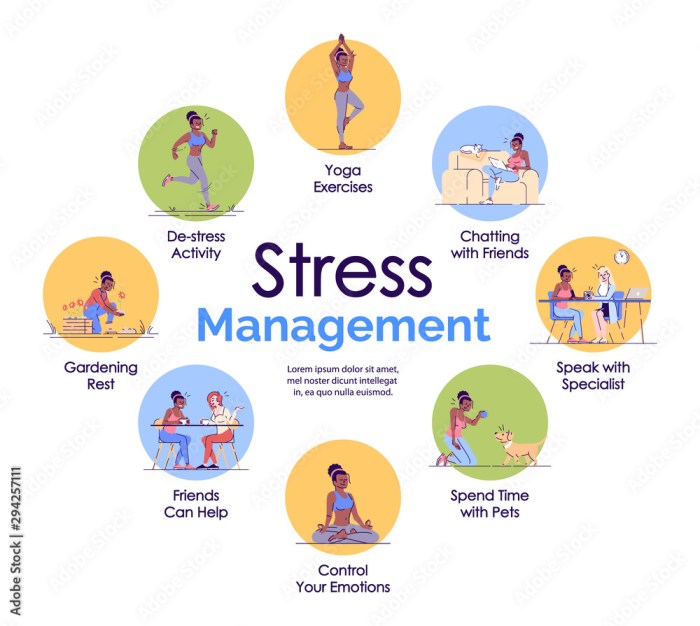
Prioritizing self-care is crucial for maintaining both physical and mental well-being. It’s not selfish; it’s essential for sustainable productivity and a fulfilling life. By intentionally scheduling self-care activities, we create a foundation for managing stress and enhancing overall health. Failing to prioritize self-care can lead to burnout, decreased productivity, and a diminished quality of life.
Scheduling self-care activities, such as exercise and meditation, is akin to scheduling important meetings or appointments. These activities are investments in your well-being, and they deserve the same level of consideration and commitment. Regular exercise improves physical health, reduces stress, and boosts mood, while meditation cultivates mindfulness and reduces anxiety. Consistency is key; even short, regular sessions are more beneficial than infrequent, longer ones.
A Sample Weekly Self-Care Schedule
The following table illustrates a sample weekly schedule incorporating at least 30 minutes of daily self-care. Remember, this is just a template; adjust it to fit your personal preferences and schedule.
| Day | Morning Activity (30 min) | Afternoon Activity (Optional) | Evening Activity (30 min) |
|---|---|---|---|
| Monday | Yoga/Stretching | Short walk | Mindful breathing exercises |
| Tuesday | Morning jog/ brisk walk | Listen to calming music | Read a book |
| Wednesday | Meditation | Light stretching | Warm bath/shower |
| Thursday | Light exercise | Spend time in nature | Journaling |
| Friday | Morning walk | Listen to upbeat music | Relaxing hobby (e.g., knitting) |
| Saturday | Longer workout | Social time with loved ones | Movie night |
| Sunday | Gentle yoga | Prepare a healthy meal | Spend time in nature |
Methods for Identifying and Prioritizing Self-Care Needs
Understanding your personal self-care needs is the first step towards prioritizing them effectively. Several methods can help you identify and prioritize these needs.
First, self-reflection involves taking time to honestly assess your current state of well-being. Consider your physical, emotional, and mental health. What areas need the most attention? What activities bring you joy and relaxation? Keeping a journal can be a helpful tool for this process.
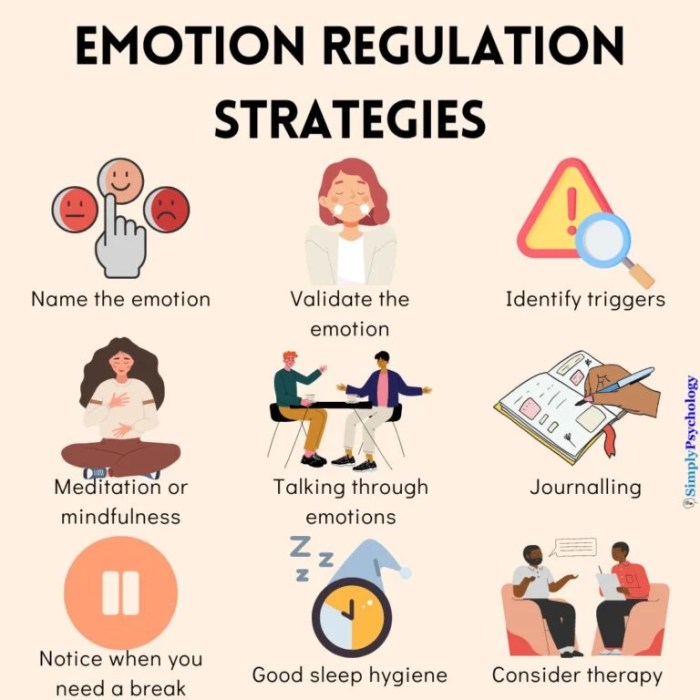
Second, mindfulness practices, such as meditation or deep breathing exercises, can enhance self-awareness and help you identify underlying needs. By paying attention to your thoughts and feelings without judgment, you can gain valuable insights into your self-care requirements.
Third, feedback from trusted sources can provide an external perspective on your well-being. Talking to friends, family, or a therapist can offer valuable insights and help you identify areas you may be overlooking.
Visual Representation of Consistent Self-Care’s Impact on Stress Levels
Imagine a graph with two lines. The x-axis represents time (weeks), and the y-axis represents stress levels (measured on a scale of 1 to 10, with 10 being the highest stress level). One line, labeled “Inconsistent Self-Care,” shows a fluctuating pattern, with peaks representing high stress levels and valleys representing periods of lower stress. The line is generally high, reflecting inconsistent management of stress. The other line, labeled “Consistent Self-Care,” starts at a similar point but gradually declines over time, demonstrating a lower and more stable stress level. This line shows a consistent downward trend, illustrating the cumulative positive impact of regular self-care practices on stress management. The difference between the two lines visually highlights the significant benefits of consistent self-care in maintaining lower stress levels over time.
Time Blocking and Task Management for Self-Care
Integrating self-care into a busy schedule can feel overwhelming. Time blocking, a powerful time management technique, offers a structured approach to consistently prioritize and dedicate time to self-care activities. By strategically scheduling self-care, you can create a more balanced and fulfilling life, reducing stress and improving overall well-being.
Benefits of Time Blocking for Self-Care
Time blocking for self-care offers several key advantages. It ensures that self-care isn’t an afterthought, but a prioritized activity. Scheduling specific times for self-care activities creates a sense of commitment and accountability, making it more likely that you’ll actually engage in them. This proactive approach can significantly reduce feelings of guilt or inadequacy associated with neglecting self-care, leading to improved mental and emotional health. Furthermore, time blocking helps to establish healthy routines and habits, making self-care a regular part of your daily or weekly schedule. This consistency is crucial for reaping the long-term benefits of self-care.
A Step-by-Step Process for Time Blocking Self-Care
Implementing time blocking for self-care involves a structured process. First, identify your existing time constraints: work hours, family commitments, appointments, and other obligations. Next, prioritize your self-care activities based on their importance and impact on your well-being. Some activities might be daily necessities (like meditation), while others could be weekly or monthly treats (like a massage). Then, review your schedule and identify potential time slots to incorporate your prioritized self-care activities. Be realistic about the time you can realistically allocate. Finally, schedule your self-care activities into your calendar or planner, treating them as important appointments you cannot miss. Consider setting reminders to ensure you stay on track.
Comparing Time Blocking and the Pomodoro Technique for Self-Care
Both time blocking and the Pomodoro Technique are effective time management methods, but they differ in their approach. Time blocking involves scheduling specific blocks of time for particular activities, including self-care. The Pomodoro Technique, on the other hand, focuses on working in focused intervals (typically 25 minutes) followed by short breaks. While both can be used for self-care, time blocking is better suited for longer self-care activities like exercise or a relaxing bath, while the Pomodoro Technique might be more appropriate for shorter activities such as mindfulness meditation or stretching. Choosing the best method depends on your personal preferences and the nature of your self-care activities.
Common Time-Wasting Activities and Self-Care Alternatives
Many activities consume significant time without contributing to well-being. Replacing these with intentional self-care activities can significantly improve your overall health and happiness.
Below is a list of five common time-wasting activities and suggested self-care alternatives:
| Time-Wasting Activity | Self-Care Alternative |
|---|---|
| Excessive social media scrolling | Mindful meditation or a relaxing walk in nature |
| Binge-watching television | Reading a book, listening to calming music, or pursuing a hobby |
| Procrastinating on tasks | Engaging in a short burst of exercise or practicing deep breathing exercises |
| Unnecessary online shopping | Spending time journaling or practicing gratitude |
| Spending too much time on unproductive emails | Taking a warm bath or engaging in a creative activity |
Mindful Time Management and Self-Compassion
Mindfulness and effective time management are surprisingly intertwined when it comes to self-care. By cultivating awareness of our thoughts, feelings, and actions in the present moment, we can make more conscious choices about how we spend our time, prioritizing activities that truly nourish us rather than depleting our energy. This mindful approach allows for a more sustainable and fulfilling self-care routine.
Mindfulness helps us identify our values and what truly matters to us. This clarity allows us to allocate time more effectively towards self-care activities that align with our priorities. Without mindfulness, we might find ourselves constantly reacting to external demands, neglecting our own needs, and feeling overwhelmed. By bringing awareness to our current state, we can better anticipate potential challenges and proactively manage our time.
Obstacles to Effective Self-Care and Their Solutions
Several common obstacles frequently hinder the implementation of a consistent self-care routine. Understanding these challenges and developing practical solutions is crucial for long-term success.
- Obstacle: Lack of Time. Many individuals feel they simply don’t have enough time for self-care, often due to work, family, or other commitments. Solution: Prioritize self-care activities like you would any important appointment. Schedule them into your day and treat them as non-negotiable. Even short bursts of mindfulness or gentle stretching can make a significant difference.
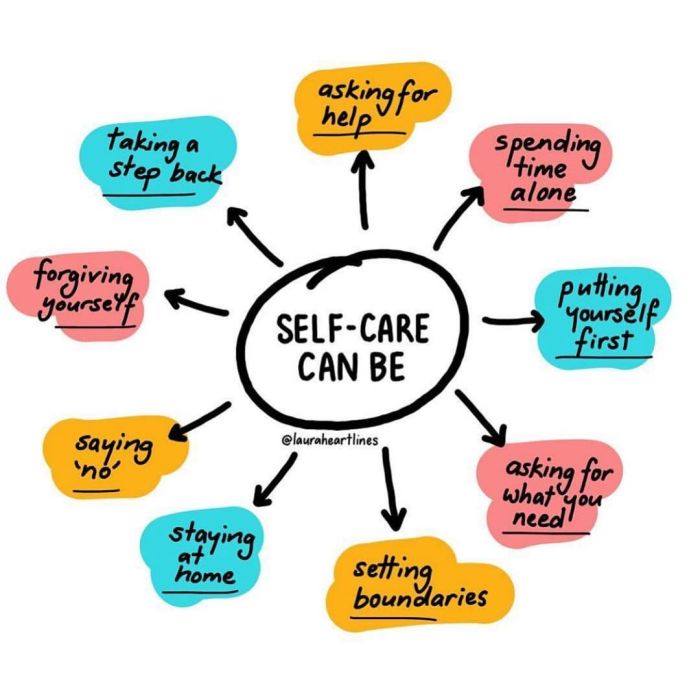
- Obstacle: Feeling Guilty about Self-Care. Some people struggle with guilt when prioritizing their own needs, believing it to be selfish. Solution: Reframe self-care as essential self-preservation, not indulgence. Taking care of yourself enables you to be a better partner, parent, friend, and employee. It’s not selfish; it’s self-sustaining.
- Obstacle: Lack of Motivation or Procrastination. It’s easy to postpone self-care activities, especially when feeling stressed or overwhelmed. Solution: Break down larger self-care tasks into smaller, manageable steps. Start with something small and achievable, building momentum and positive reinforcement along the way. Reward yourself for completing each step to maintain motivation.
Mindful Exercises for Daily Self-Care
Incorporating mindful exercises into your daily routine can significantly enhance your self-care practice. These exercises cultivate present moment awareness and promote relaxation and self-reflection.
- Mindful Breathing: Find a quiet space, sit comfortably, and focus on your breath. Observe the sensation of the air entering and leaving your body. Notice any thoughts or feelings without judgment, gently guiding your attention back to your breath when your mind wanders. Practice for 5-10 minutes daily.
- Body Scan Meditation: Lie down comfortably and bring your attention to different parts of your body, noticing any sensations without judgment. Start with your toes and slowly move upwards, paying attention to tension, warmth, or coolness. This exercise helps you connect with your physical body and release physical tension.
- Mindful Walking: Pay close attention to the sensations of your feet making contact with the ground as you walk. Notice the movement of your body, the rhythm of your steps, and the sights, sounds, and smells around you. Engage all your senses to be fully present in the moment.
- Mindful Eating: Choose a healthy meal or snack and eat it slowly and deliberately. Pay attention to the taste, texture, and smell of the food. Savor each bite, noticing the sensations in your mouth and body. This practice fosters a mindful relationship with food.
- Journaling: Spend a few minutes each day writing down your thoughts and feelings. Reflect on your day, noting any moments of stress, joy, or gratitude. Journaling provides a valuable outlet for processing emotions and promoting self-awareness.
Practicing Self-Compassion When Facing Challenges
Maintaining a consistent self-care routine can be challenging. Self-compassion is crucial for navigating setbacks and staying motivated.
- Acknowledge your struggles: Recognize that it’s normal to experience difficulties in maintaining a self-care routine. Avoid self-criticism and acknowledge that everyone faces challenges.
- Treat yourself with kindness: Speak to yourself with the same compassion and understanding you would offer a friend facing similar difficulties. Offer yourself words of encouragement and support.
- Remember your shared humanity: Remind yourself that you are not alone in your struggles. Many people experience similar challenges in prioritizing self-care. This shared experience fosters a sense of connection and reduces feelings of isolation.
- Focus on self-acceptance: Accept yourself unconditionally, flaws and all. Self-compassion is not about achieving perfection, but about embracing your imperfections with kindness and understanding.
- Practice self-forgiveness: If you miss a day or several days of your self-care routine, don’t beat yourself up about it. Gently forgive yourself and recommit to your self-care goals. View setbacks as opportunities for learning and growth.
Concluding Remarks

By implementing the time management strategies and mindful practices discussed, you can successfully integrate self-care into your daily life. Remember, consistent self-care is not about grand gestures, but rather small, intentional acts that accumulate over time to significantly improve your overall well-being. Prioritizing self-care is an investment in your physical and mental health, leading to increased productivity, reduced stress, and a more fulfilling life. Start small, be consistent, and enjoy the transformative power of prioritizing yourself.