Job hunting can feel like a full-time job in itself. Juggling applications, networking, and skill development while maintaining other commitments requires a strategic approach to time management. This guide provides six actionable tips to optimize your job search, ensuring you remain productive and avoid burnout during this crucial period.
Effective time management isn’t just about cramming more activities into your day; it’s about prioritizing tasks, streamlining your workflow, and creating a sustainable schedule that supports your overall well-being. By implementing these strategies, you can significantly improve your chances of securing your dream role while maintaining a healthy work-life balance.
Prioritizing Tasks and Setting Realistic Goals
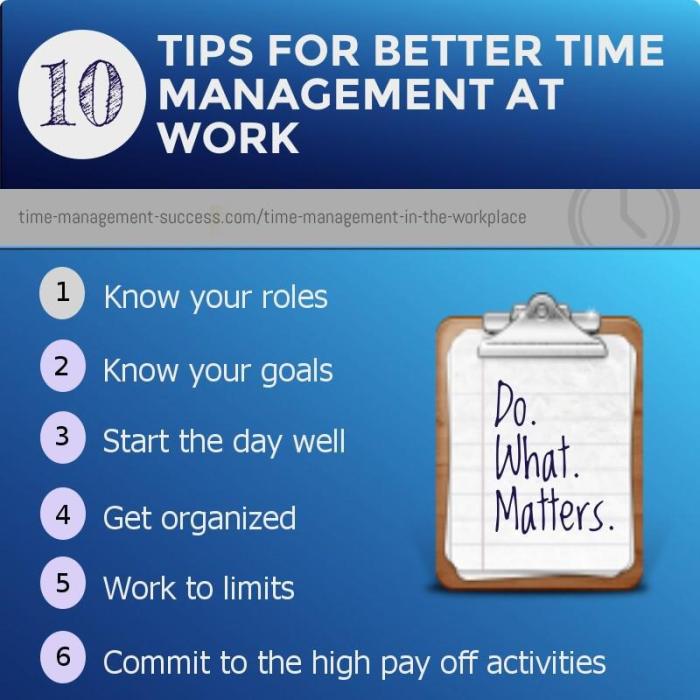
Job hunting can feel overwhelming, like a constant scramble for the next application or networking opportunity. Effective time management is crucial to avoid burnout and maintain momentum. Prioritizing tasks and setting realistic goals are key strategies to transform this chaotic process into a structured and productive endeavor. By strategically allocating your time and setting achievable targets, you’ll significantly increase your chances of success.
Effective time management during a job search requires a structured approach. This involves creating both daily and weekly plans that incorporate your job search activities, allowing you to track progress and adapt your strategy as needed. This proactive approach ensures you dedicate sufficient time to each critical aspect of your job hunt, maximizing your efficiency and minimizing wasted effort.
Daily Job Search Schedule
A daily schedule helps you visualize and manage your time effectively. It allows you to allocate specific time blocks for different activities, promoting focus and preventing task-switching. The following example demonstrates a sample daily schedule. Remember to adjust it based on your personal circumstances and preferences.
| Time | Activity | Duration | Priority |
|---|---|---|---|
| 9:00 AM – 10:30 AM | Network (LinkedIn, informational interviews) | 1.5 hours | High |
| 10:30 AM – 12:00 PM | Job Application Submissions (Target 2-3 applications) | 1.5 hours | High |
| 12:00 PM – 1:00 PM | Lunch Break | 1 hour | N/A |
| 1:00 PM – 2:30 PM | Skill Development (Online course, practice coding) | 1.5 hours | Medium |
| 2:30 PM – 4:00 PM | Tailor Resume/Cover Letter (Focus on 1-2 specific jobs) | 1.5 hours | High |
| 4:00 PM – 5:00 PM | Review applications, research companies | 1 hour | Medium |
Weekly Job Search Plan
Building on the daily schedule, a weekly plan provides a broader perspective, enabling you to set larger, yet still achievable, goals. This overview allows you to track your progress against these goals and make necessary adjustments throughout the week. For example, a weekly plan might include targets such as submitting a certain number of applications, attending networking events, or completing specific skill-building modules.
Here’s an example of a sample week:
Monday: Focus on networking; connect with 5 new contacts on LinkedIn, send 2 informational interview requests.
Tuesday: Application submissions; aim for 3 high-priority applications, tailor resume and cover letter accordingly.
Wednesday: Skill development; dedicate 2 hours to an online course relevant to your target roles.
Thursday: Company research; deeply research 3 companies you’ve applied to, understanding their culture and values.
Friday: Review and refine; review all applications submitted this week, update resume and LinkedIn profile based on feedback or new insights.
Setting Realistic Goals
Setting realistic daily and weekly goals is paramount. Avoid overwhelming yourself with unrealistic targets. Instead, focus on small, achievable milestones. For example, instead of aiming to apply for 20 jobs in a week, start with a more manageable goal of 5-7 high-quality applications. This approach fosters a sense of accomplishment, motivating you to continue your job search efforts. Regularly review your progress and adjust your goals accordingly. If you consistently exceed your targets, consider increasing your weekly goals. Conversely, if you’re consistently falling short, reassess your goals and identify potential obstacles. Unexpected setbacks, such as rejections or technical difficulties, are inevitable. Factor in these possibilities when planning your week, allowing for flexibility and preventing discouragement. For example, if a networking event is canceled, redirect that time towards application submissions or skill development.
Optimizing Your Job Search Workflow

Efficiently managing your job search requires a strategic approach to maximize your time and effort. A well-organized workflow can significantly increase your chances of landing an interview and ultimately, a job. This section will Artikel key strategies for streamlining your application process and leveraging technology to your advantage.
Effectively navigating online job boards and applicant tracking systems (ATS) is crucial for a successful job search. These platforms, while offering vast opportunities, can also be time-consuming if not approached strategically. Creating a centralized repository for your application materials ensures consistency and saves you valuable time. Finally, utilizing productivity tools can help you stay organized and on track throughout the entire process.
Efficiently Managing Online Job Boards and Applicant Tracking Systems
Successfully using online job boards and ATS requires a systematic approach. By employing these best practices, you can significantly reduce the time spent searching and applying for jobs while increasing your chances of success.
- Online Job Boards: Utilize advanced search filters to target specific roles, industries, and locations. Save relevant job postings to a dedicated folder or use the “saved jobs” feature offered by most platforms. Regularly review saved jobs for updates and new postings. Set up job alerts to receive notifications for new openings matching your criteria.
- Applicant Tracking Systems (ATS): Carefully review the job description to understand the s and required skills. Tailor your resume and cover letter to match the specific requirements of each job application. Use a consistent formatting style across all your documents to ensure compatibility with ATS. Before submitting, proofread carefully for any errors or inconsistencies.
Creating a Master Document for Application Materials
A master document containing all your application materials simplifies the application process considerably. This central repository ensures consistency across all applications and drastically reduces preparation time for each submission.
- Create a folder on your computer dedicated to your job search. Within this folder, create subfolders for each job you are applying to.
- Develop a master resume and cover letter template. These templates should be highly customizable, allowing you to easily adjust them for each specific job application.
- For each job application, create a copy of your master documents and tailor them to the specific job description. Save these tailored versions in the corresponding subfolder.
- If you have a portfolio, include a digital version in your master document or link to your online portfolio.
- Maintain a record of each application, including the date submitted, company name, and contact person. This record can be included in the master document or kept in a separate spreadsheet.
This method ensures consistency in your applications and saves you the time and effort of recreating your materials for each job. It also helps you track your progress and avoid duplicated efforts.
Utilizing Productivity Tools for Job Search Organization
Productivity tools are invaluable in managing the complexities of a job search. These tools can help you track applications, manage deadlines, and stay organized throughout the process. Here’s a comparison of three popular options:
| Tool | Key Features | Strengths | Weaknesses |
|---|---|---|---|
| Google Calendar | Scheduling interviews, setting reminders for deadlines, creating events for networking opportunities. | Free, widely accessible, integrates with other Google services. | Limited task management capabilities compared to dedicated task management software. |
| Trello | Kanban-style board for visualizing tasks, creating checklists for application steps, collaborating with others (e.g., mentors). | Visual and intuitive interface, excellent for managing multiple projects simultaneously. | Can be overwhelming for users with simple needs. |
| Asana | Task management, project tracking, team collaboration features, deadline reminders. | Comprehensive features, strong team collaboration tools. | Steeper learning curve than some other options, free plan has limitations. |
Choosing the right tool depends on your individual needs and preferences. Consider factors like ease of use, available features, and integration with other tools you already use.
Balancing Job Hunting with Other Commitments
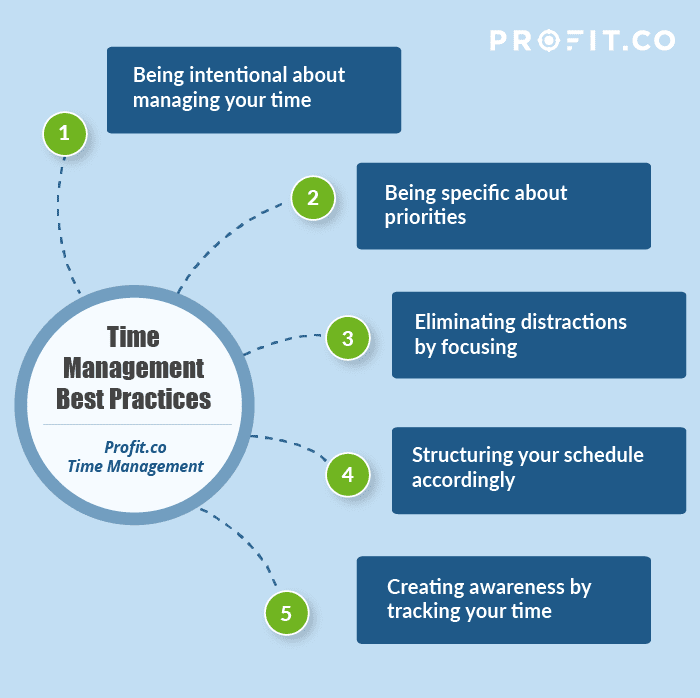
Job hunting can feel like a full-time job in itself, demanding significant time and energy. However, most people have other commitments – family responsibilities, volunteer work, freelance projects, or even part-time employment – that need attention. Successfully navigating this requires a strategic approach to time management and the establishment of clear boundaries. Failing to do so can lead to burnout and reduced effectiveness in both your job search and other areas of your life.
Effective techniques for managing time alongside existing responsibilities are crucial for maintaining a healthy balance. It’s about maximizing efficiency and prioritizing tasks to ensure you’re making progress on all fronts without feeling overwhelmed. This involves more than just scheduling; it’s about mindful allocation of your time and energy.
Techniques for Managing Time During a Job Search
The key to successfully balancing job hunting with other commitments lies in strategic time management. This involves identifying your most productive times, prioritizing tasks, and utilizing tools to stay organized. Below are some effective techniques:
- Time Blocking: Allocate specific time slots in your day or week solely for job hunting activities. This could involve dedicating an hour in the morning to networking, an afternoon to applying for jobs, and an evening to researching companies.
- Batch Similar Tasks: Group similar job search tasks together. For example, spend a whole morning writing cover letters, then dedicate the afternoon to applying online.
- Prioritize High-Impact Activities: Focus your energy on tasks that will yield the greatest results. This might involve networking with people in your field or tailoring your resume to specific job descriptions, rather than spending hours browsing generic job boards.
- Utilize Technology: Employ calendar apps, task management software, or job search aggregators to streamline your workflow and stay organized. These tools can help you track deadlines, manage applications, and stay on top of your progress.
- Delegate or Outsource: If possible, delegate some responsibilities to free up time for job hunting. This could involve asking family members for help with household chores or hiring someone to assist with freelance work.
Establishing Clear Boundaries
Setting boundaries is essential to prevent burnout and maintain focus. This means consciously separating your job search time from your time dedicated to other commitments. Blurring these lines can lead to feelings of overwhelm and reduced productivity in all aspects of your life.
Examples of implementing these boundaries include:
* Dedicated Workspace: Create a designated area for your job search, free from distractions. This could be a corner of your home office or even a quiet spot at a local library.
* Scheduled Breaks: Take regular breaks during your job search to avoid burnout. This could involve short walks, meditation, or simply stepping away from your computer for a few minutes.
* Specific Job Search Hours: Communicate to your family or housemates your dedicated job search hours. During these times, avoid interruptions unless it’s absolutely necessary. For example, you might announce, “I’ll be focusing on my job search from 9 am to 12 pm today, please avoid interrupting me unless it’s urgent.”
* Digital Detox: Set specific times to disconnect from your job search to fully engage with other commitments. This could involve turning off notifications during family time or putting your phone away during volunteer work.
Creating a Sample Job Search Schedule
A sample schedule can help visualize how to integrate job hunting into your existing routine. The specific schedule will vary depending on your individual needs and time management style. However, the principle remains the same: allocate dedicated blocks of time for job searching while respecting other commitments.
Below is an example of a weekly schedule incorporating a job search:
| Time | Monday | Tuesday | Wednesday | Thursday | Friday | Saturday | Sunday |
|---|---|---|---|---|---|---|---|
| 9:00 AM – 12:00 PM | Job Search (Networking) | Job Search (Applications) | Family Time | Job Search (Research) | Job Search (Networking) | Personal Errands | Relaxation |
| 12:00 PM – 1:00 PM | Lunch | Lunch | Lunch | Lunch | Lunch | Lunch | Lunch |
| 1:00 PM – 5:00 PM | Freelance Work | Freelance Work | Freelance Work | Freelance Work | Freelance Work | Family Time | Relaxation |
| 5:00 PM – 6:00 PM | Family Time | Family Time | Family Time | Family Time | Family Time | Family Time | Family Time |
| 6:00 PM onwards | Personal Time | Personal Time | Personal Time | Personal Time | Personal Time | Personal Time | Personal Time |
This is just a sample; adjust it to fit your specific needs and commitments. The key is consistency and adherence to your planned schedule. Remember, flexibility is important, but a structured approach is vital for effective time management.
Wrap-Up

Successfully navigating the job hunt demands a proactive and organized approach to time management. By prioritizing tasks, optimizing your workflow, and balancing your commitments, you can transform the often-overwhelming job search into a focused and efficient process. Remember, consistency and realistic goal-setting are key to success. Apply these six tips, and you’ll be well-equipped to manage your time effectively and land your ideal position.